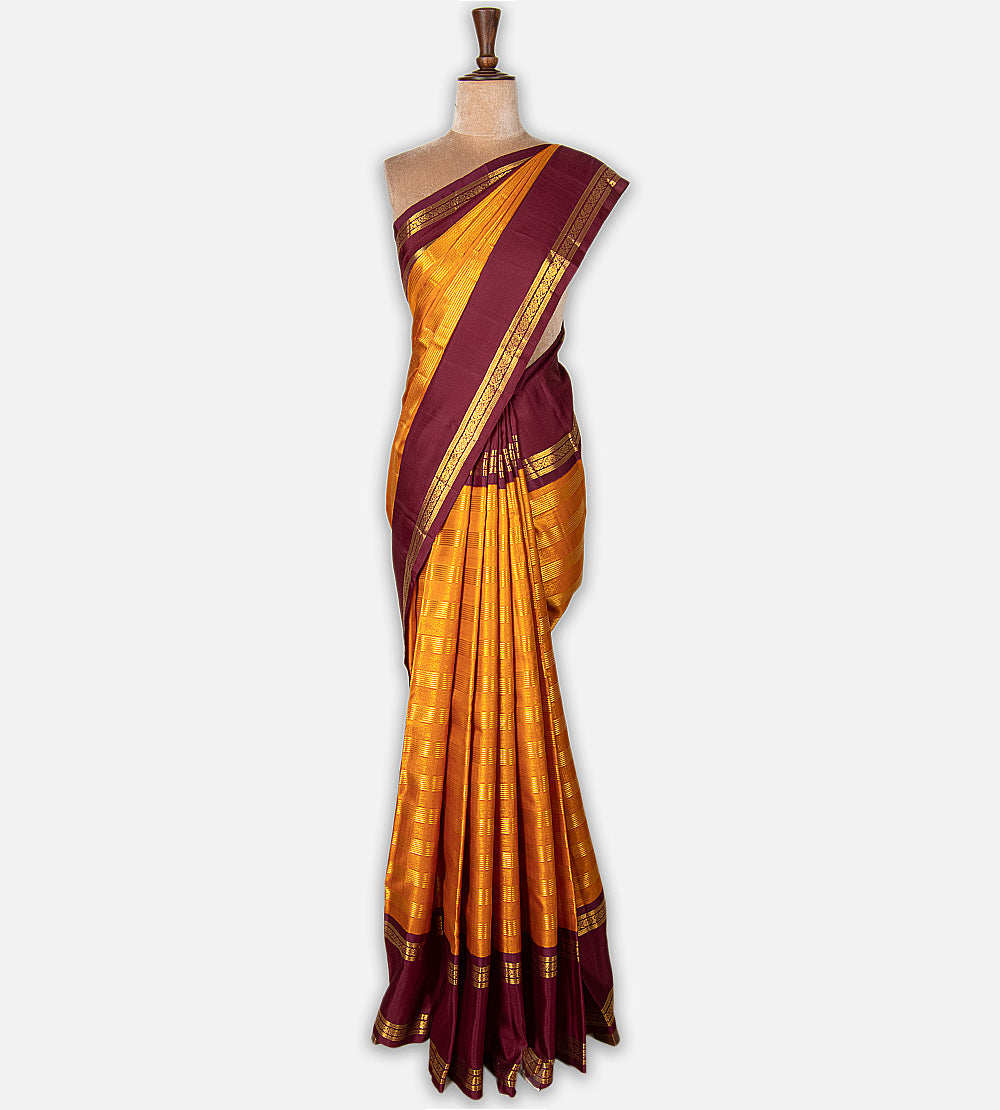
Korvai Kanjivaram Sarees | Korvai Silk Sarees Online
Some sarees are bought for an occasion. A Korvai Kanjivaram saree is bought for a lifetime. The moment you see that sharp line where the border meets the body, you know you're looking at something woven with real patience, not just fabric run off a loom in a hurry. At Tulsi Madras, our collection of korvai silk cotton sarees brings together that old weaving discipline with colours and patterns that still feel fresh today.
If you've been searching for korvai sarees online or simply trying to understand what makes this weave so prized, this is where to start.
What Is a Korvai Kanjivaram Saree
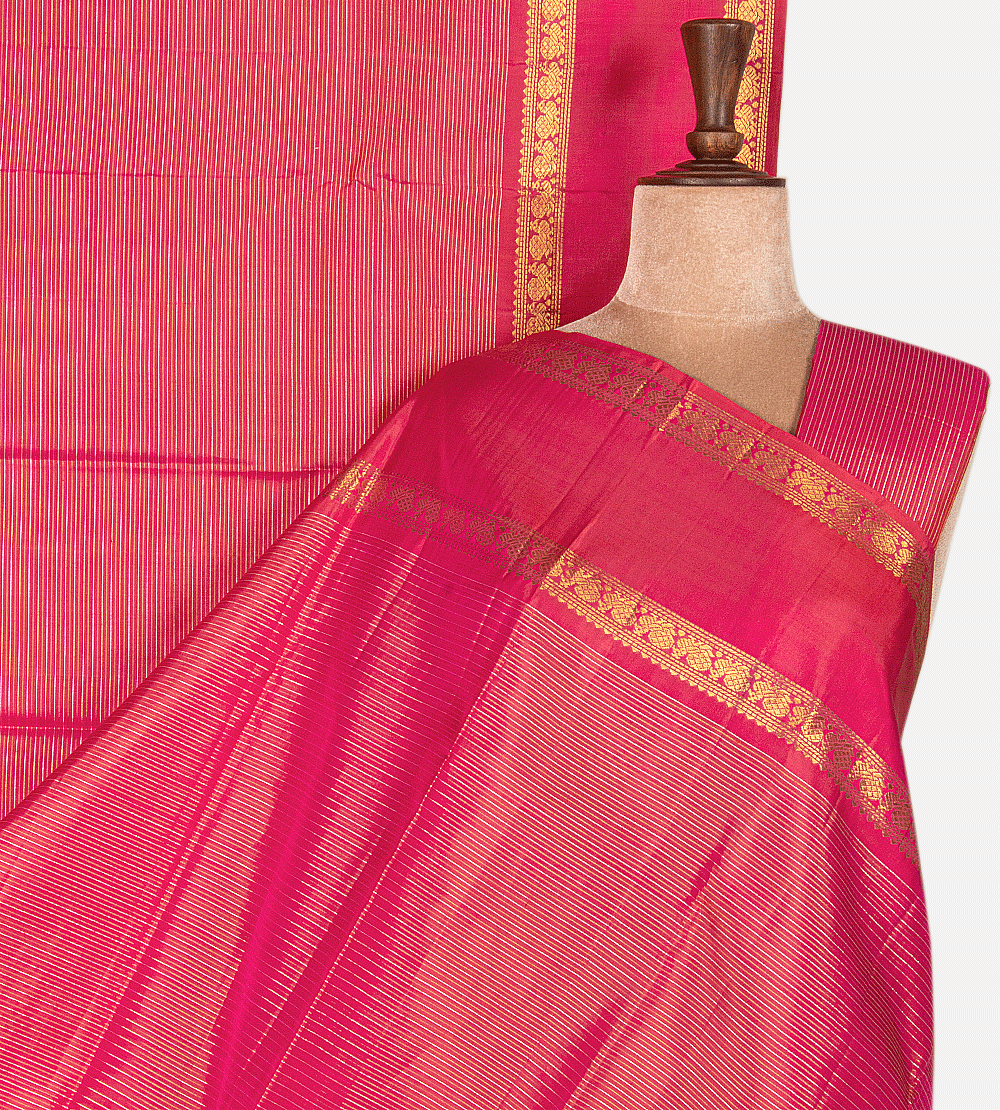
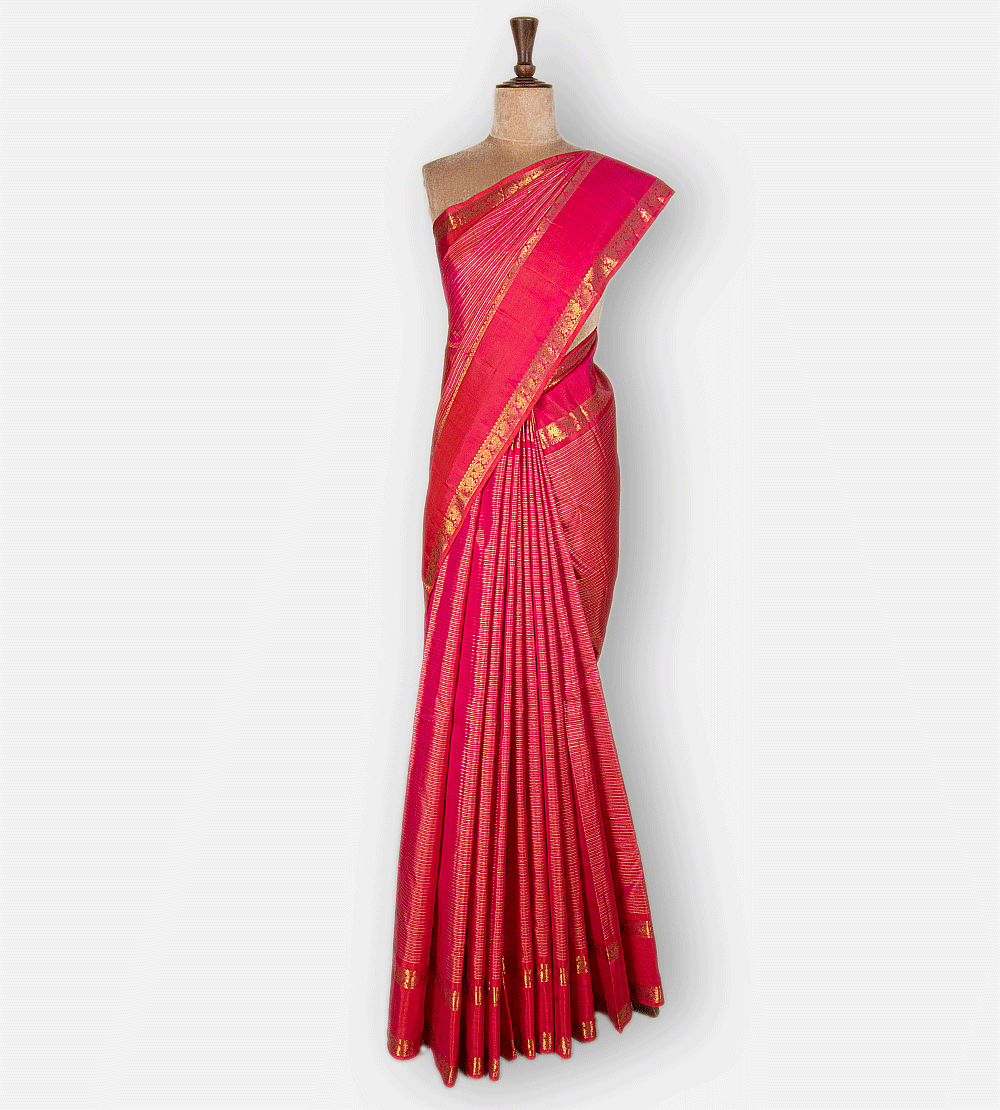
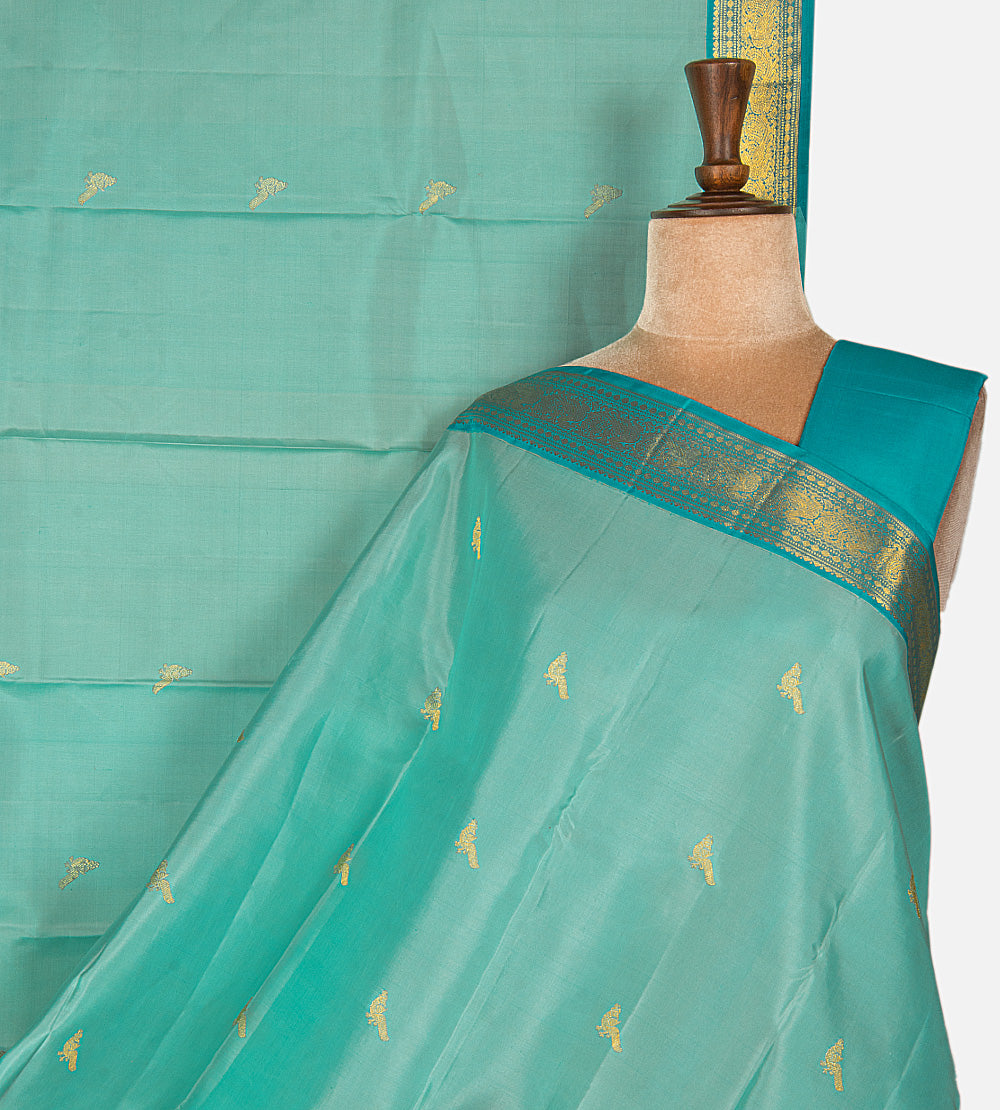
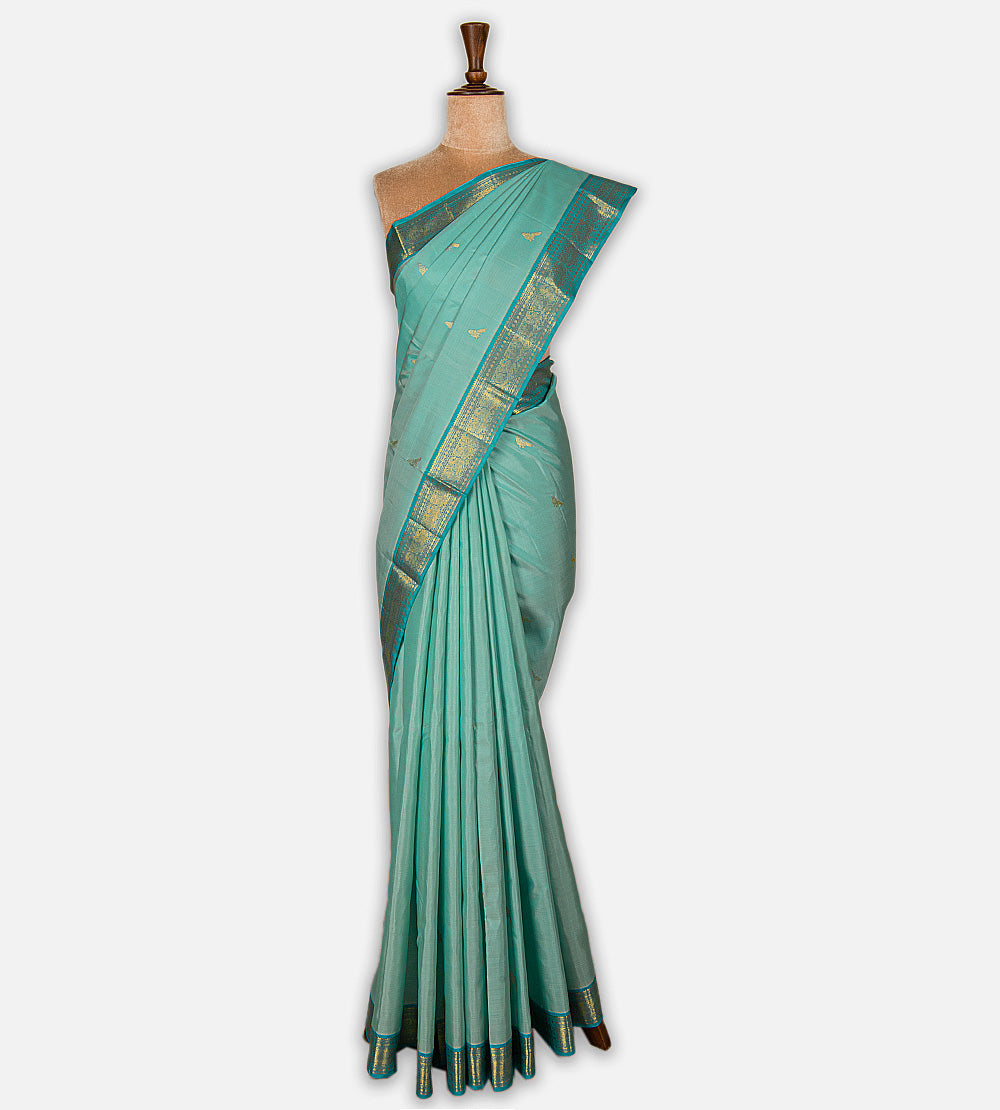
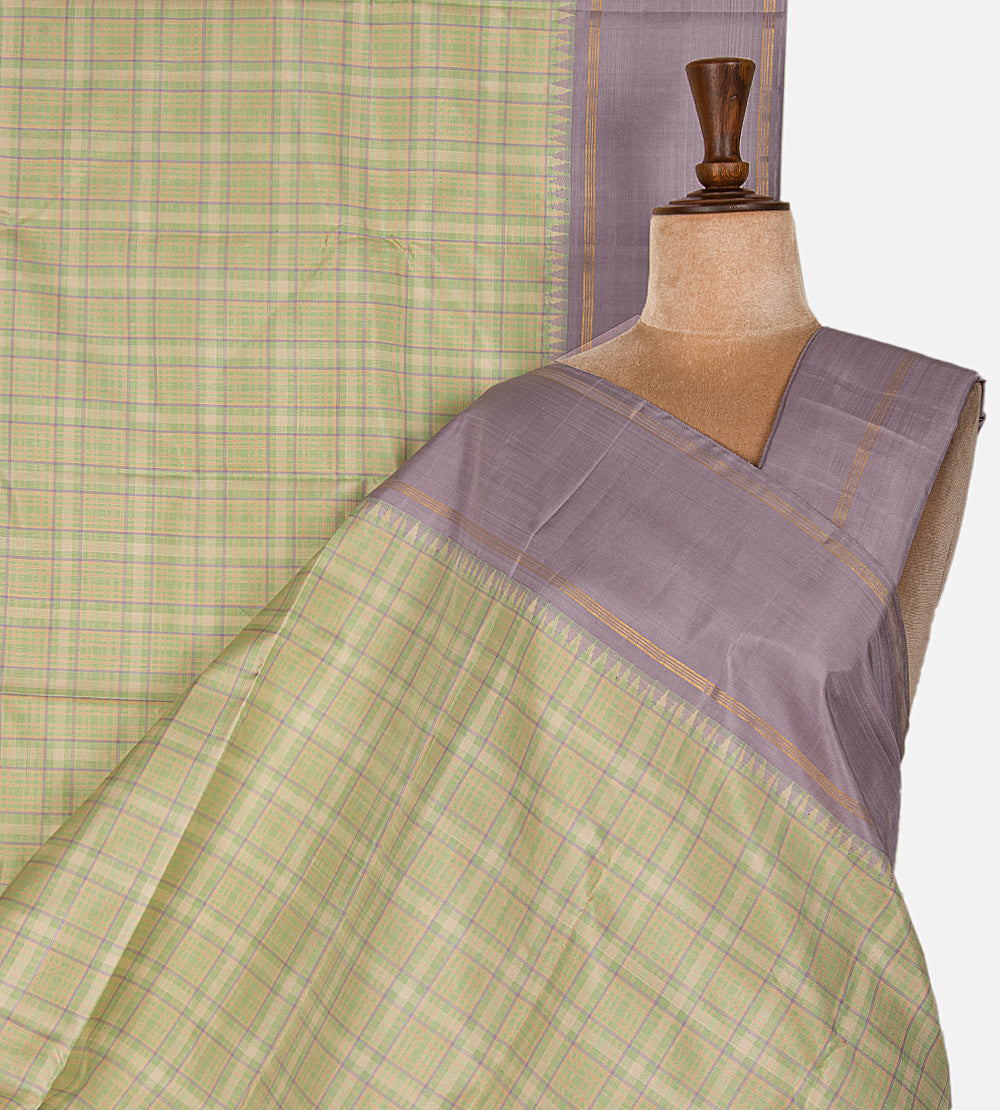
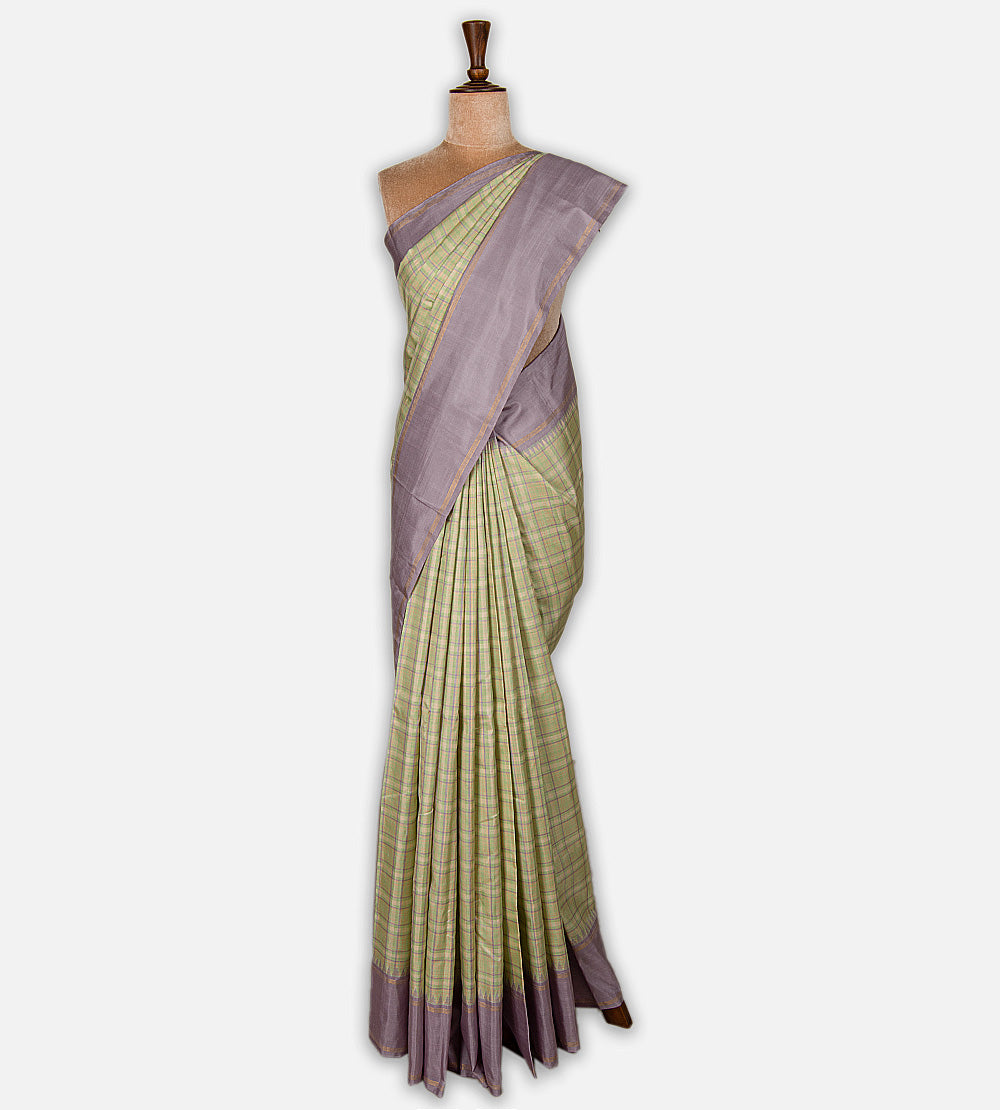
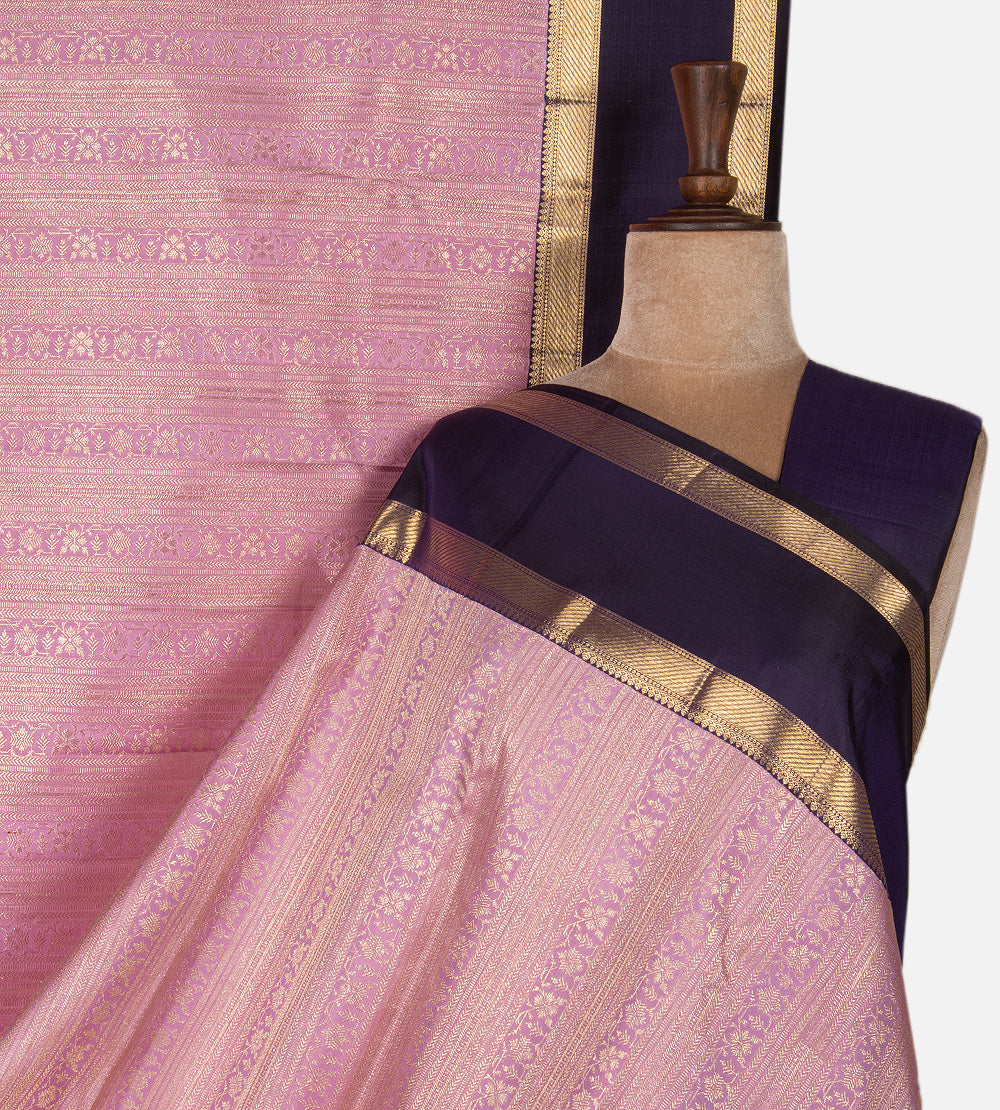
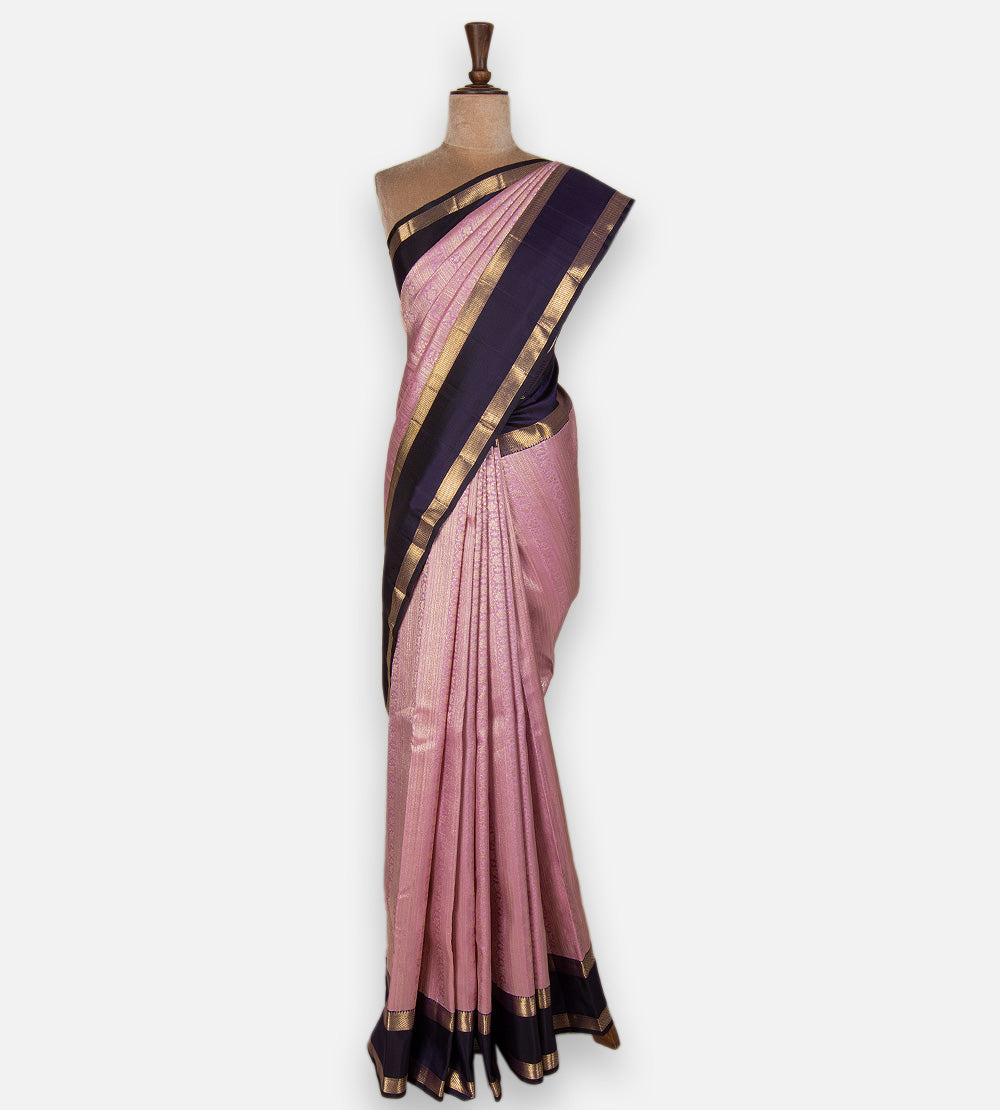
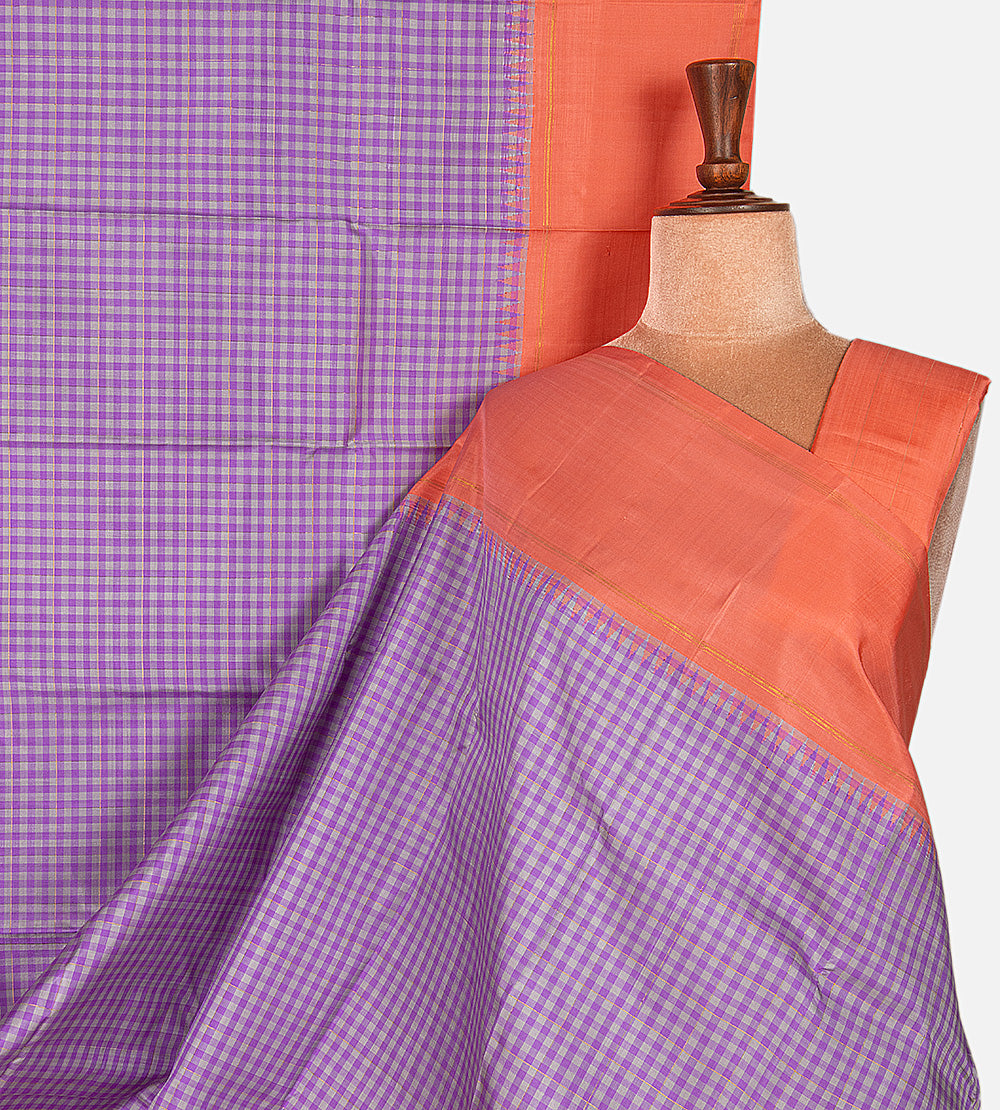
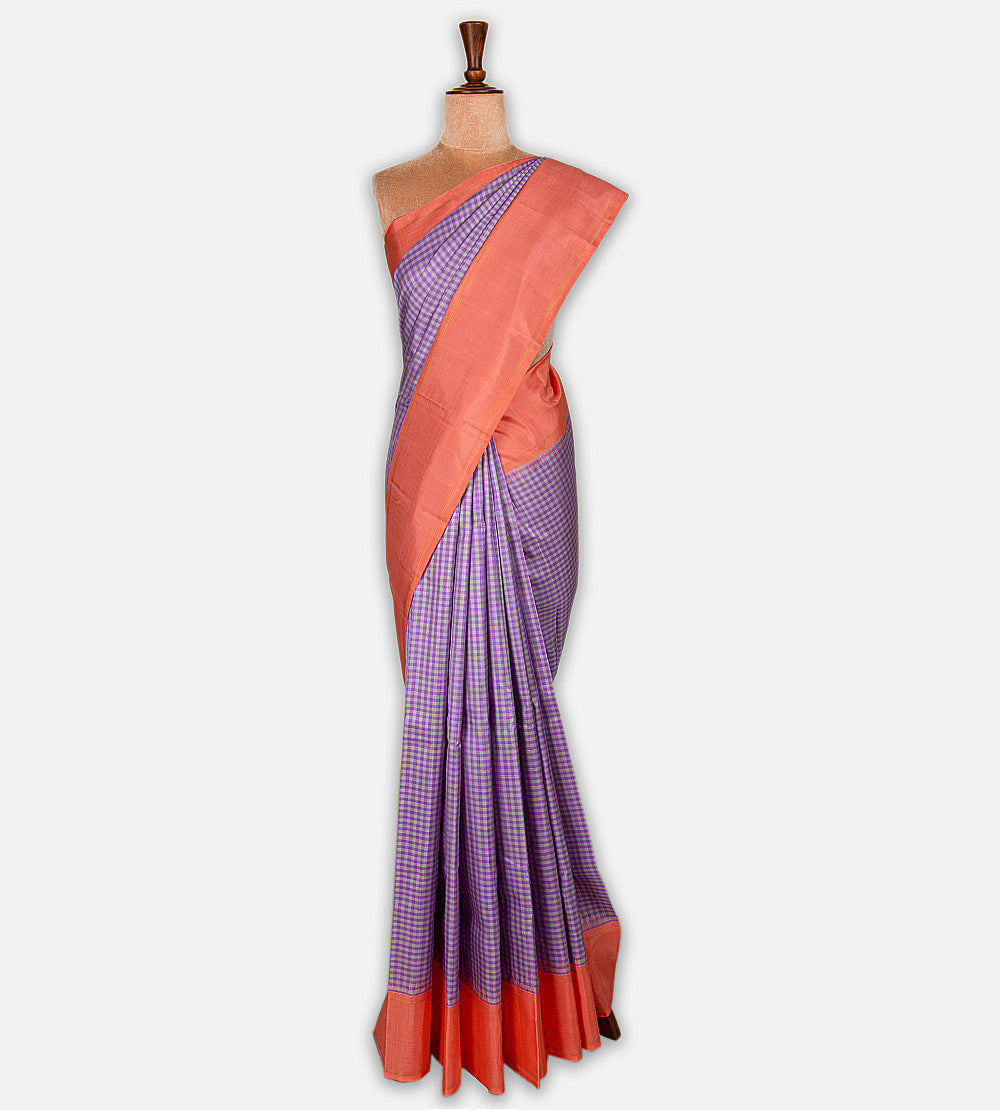
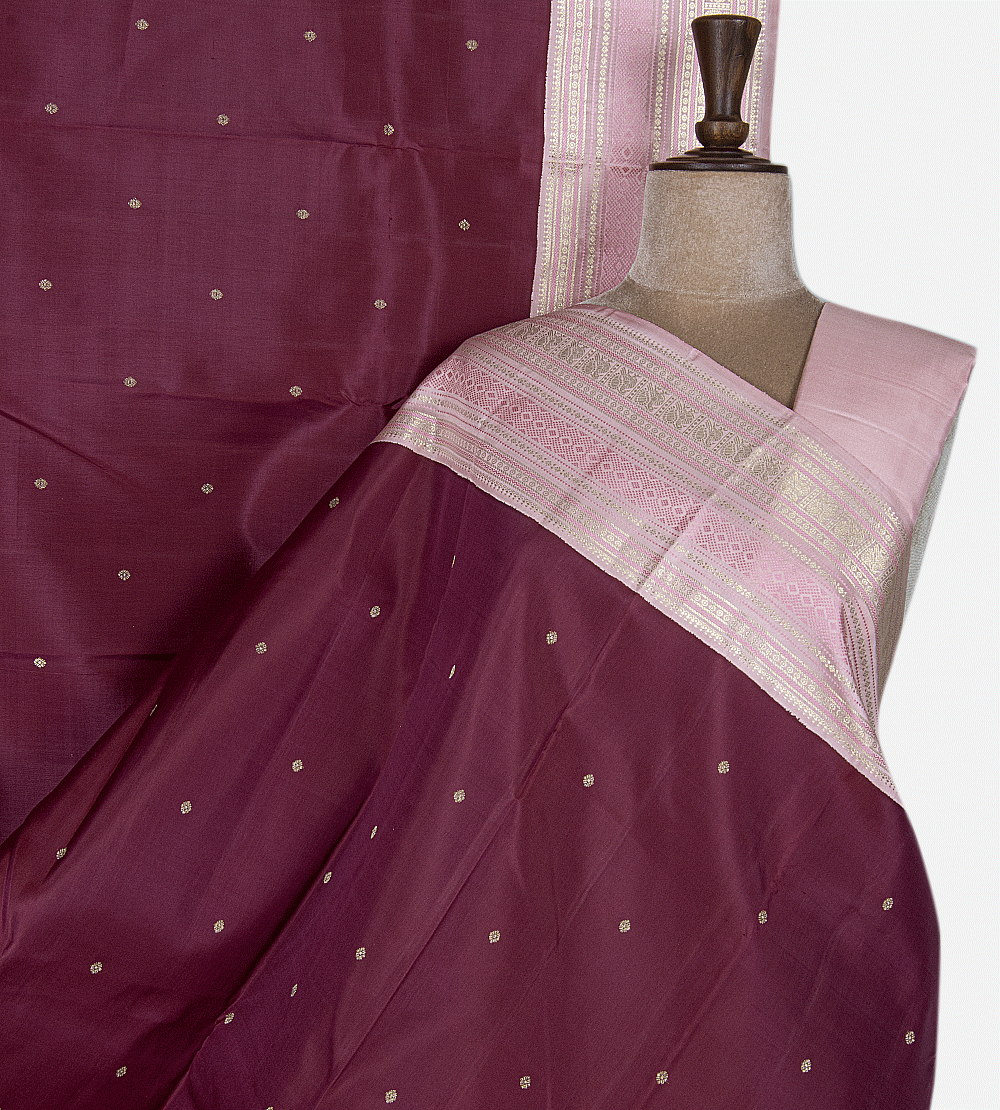
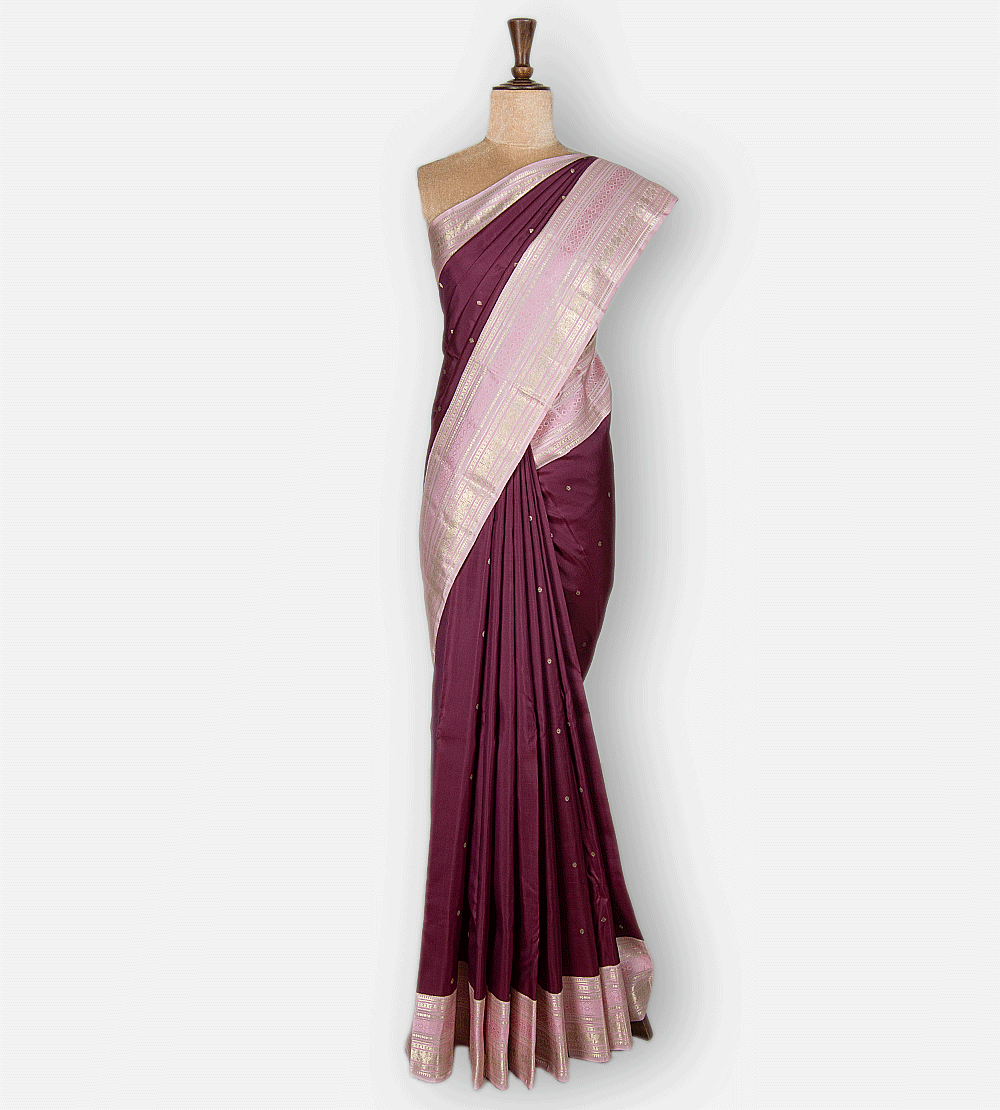
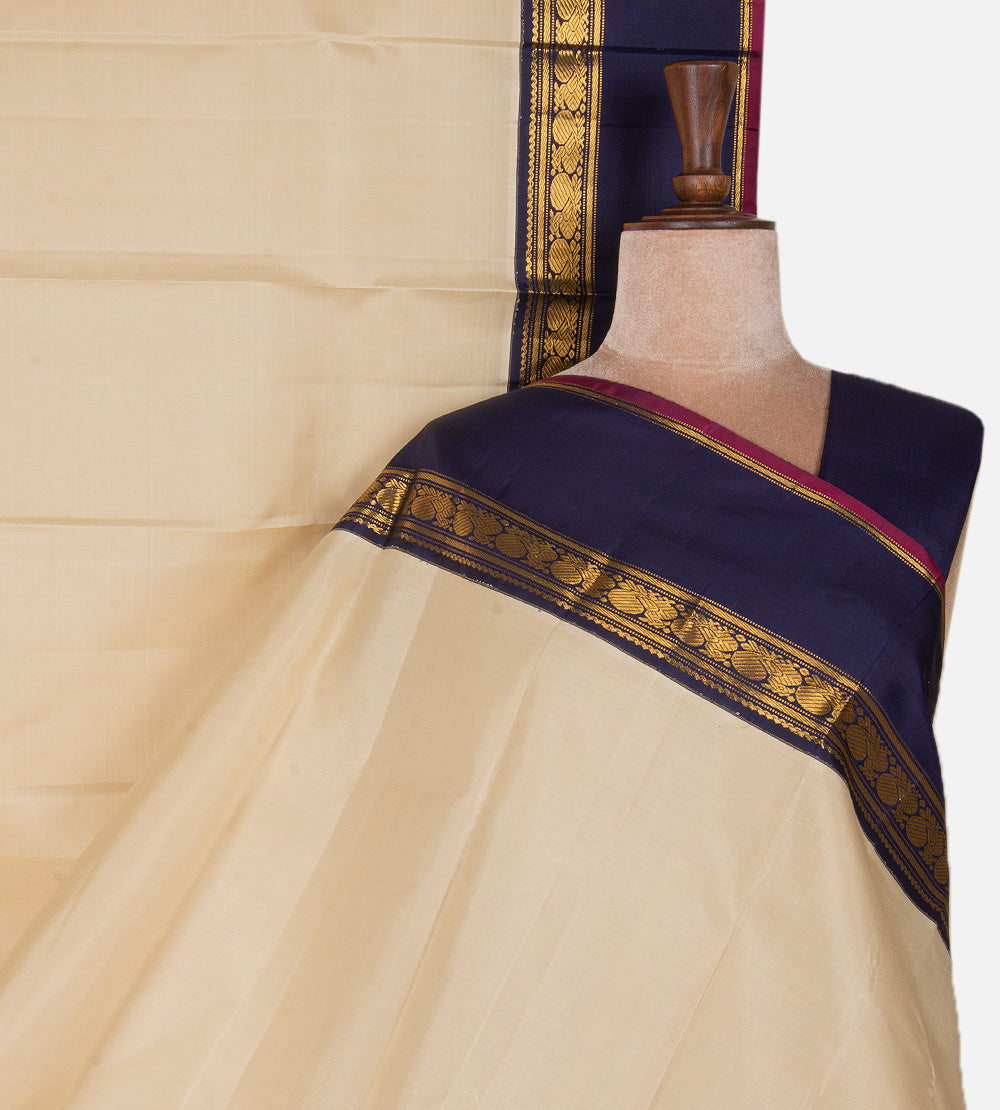
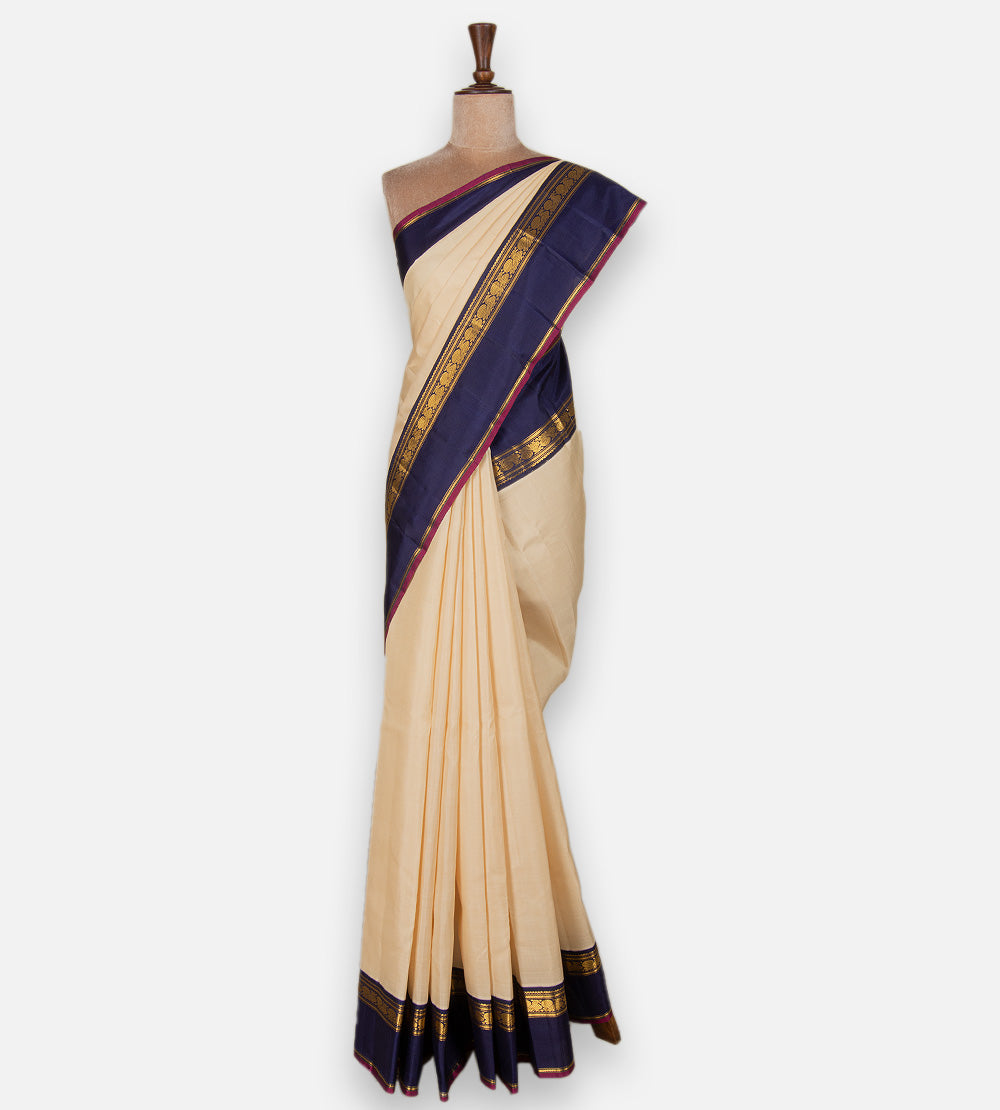
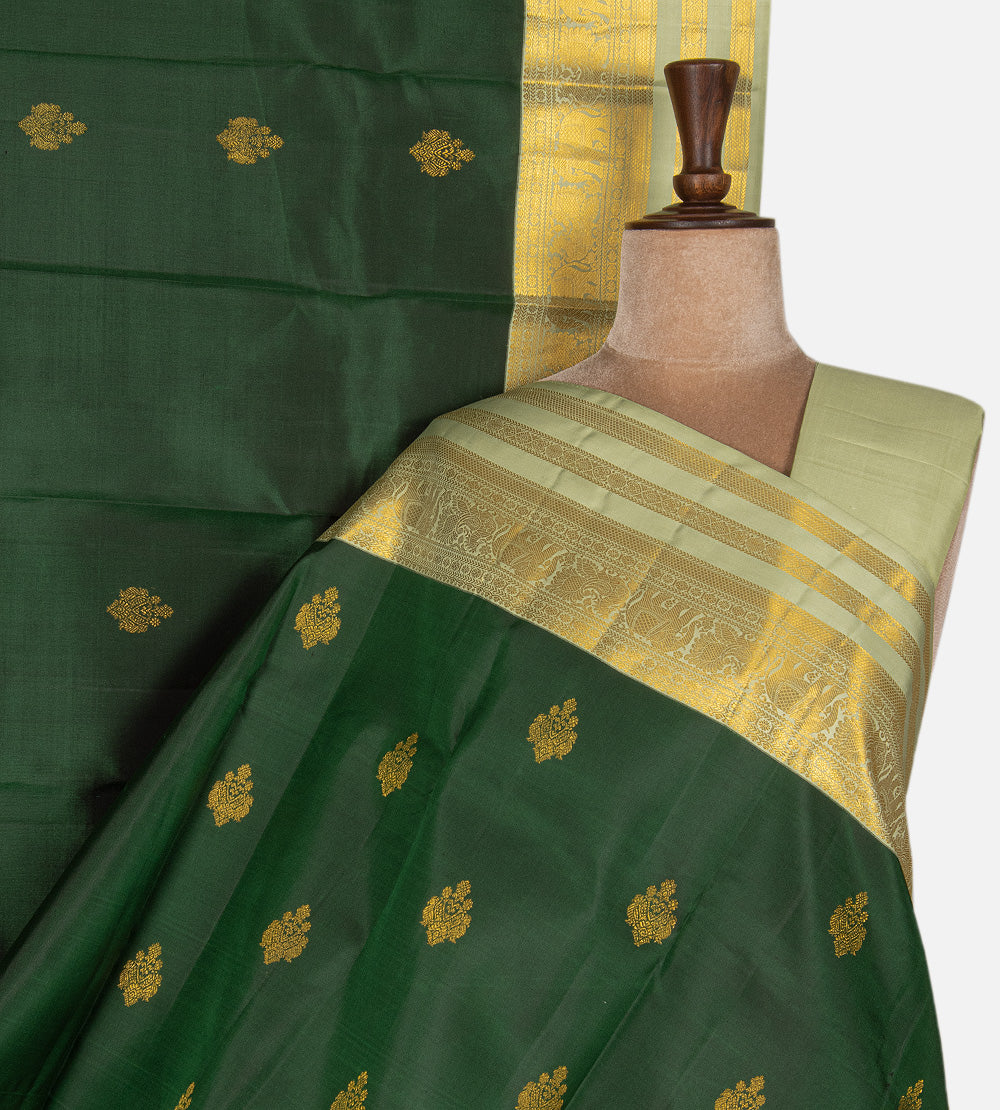
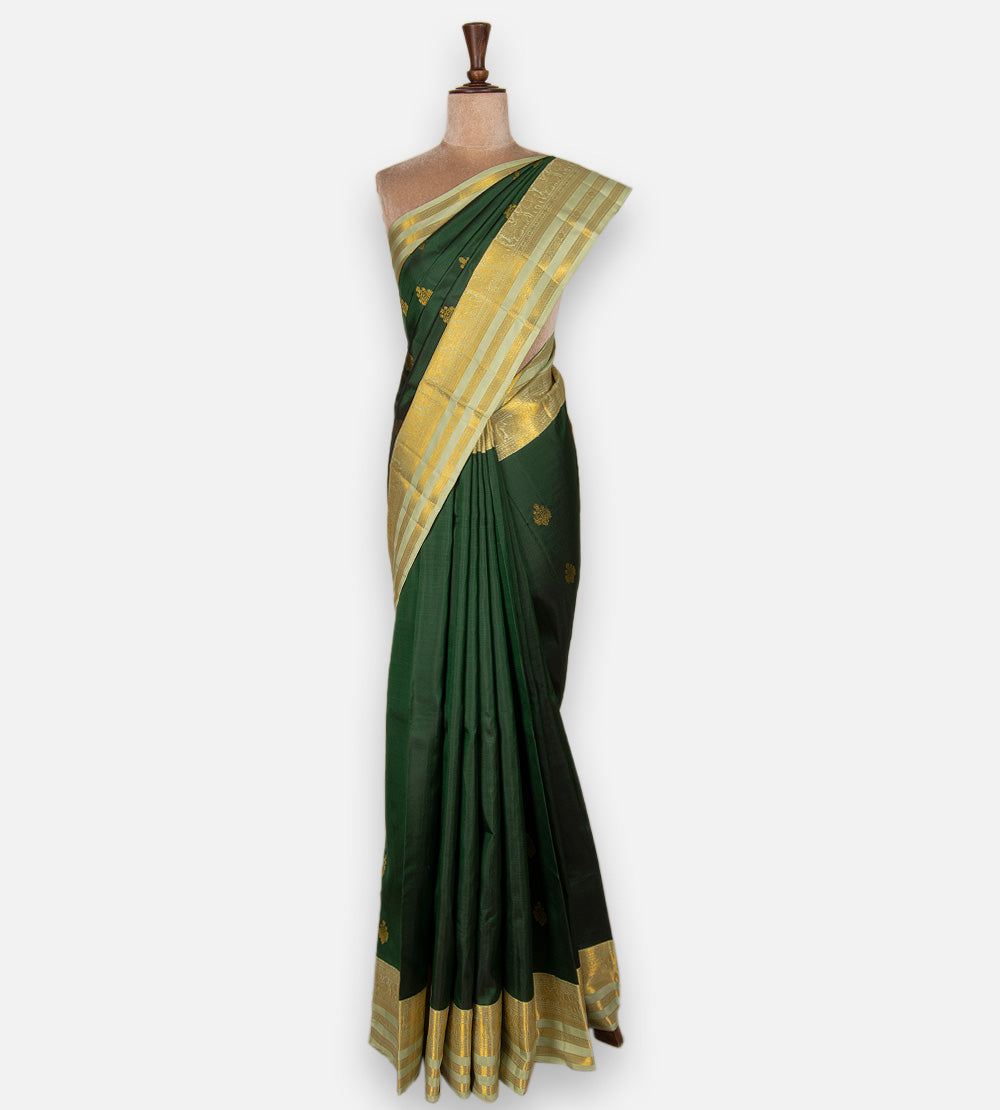
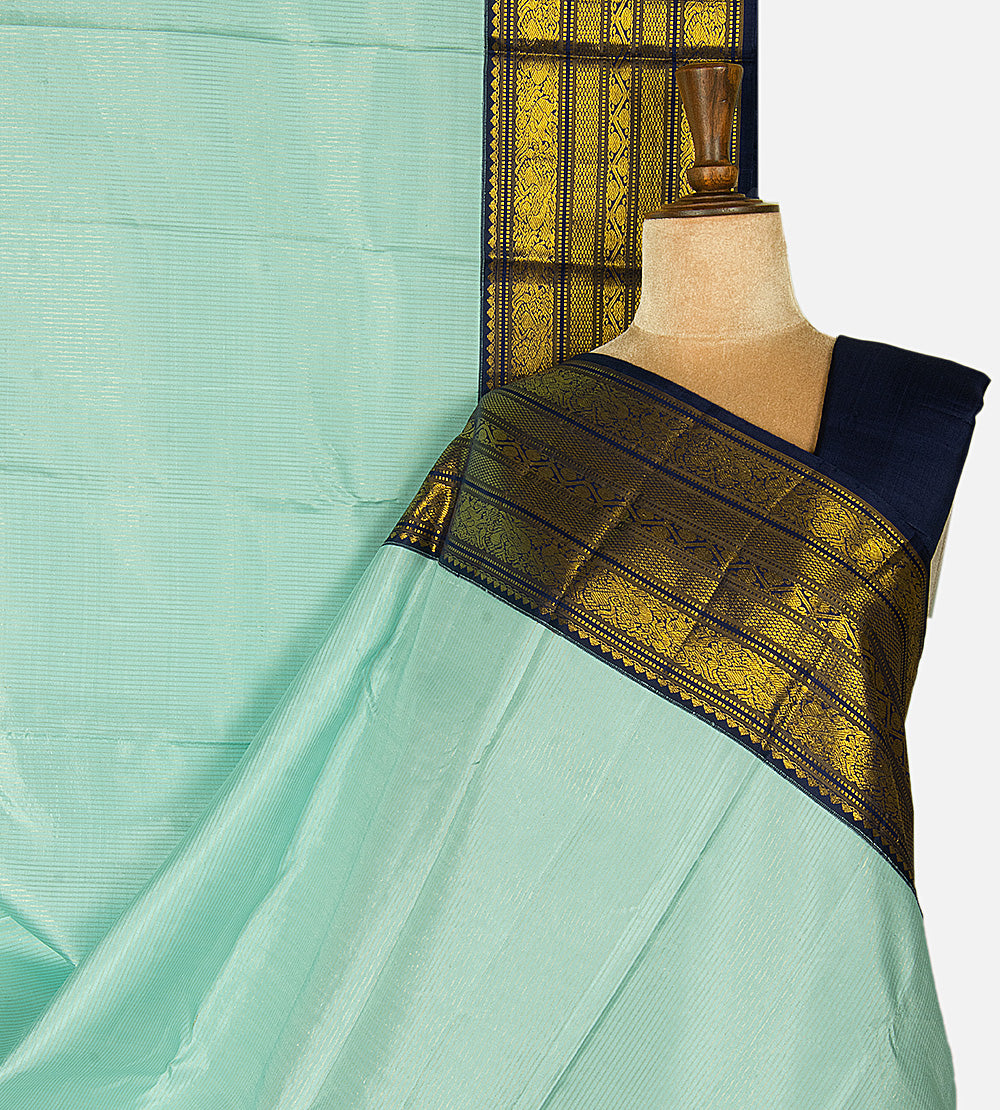
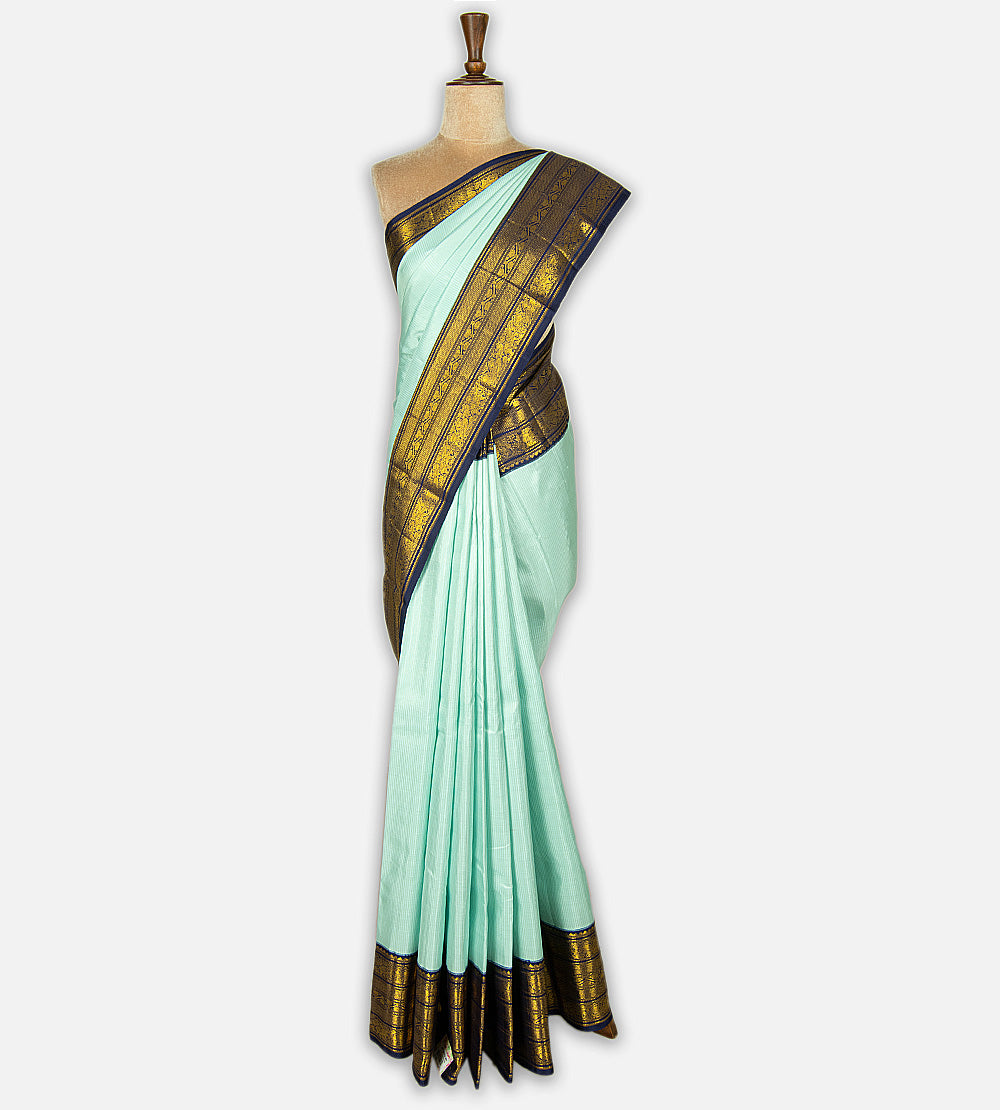
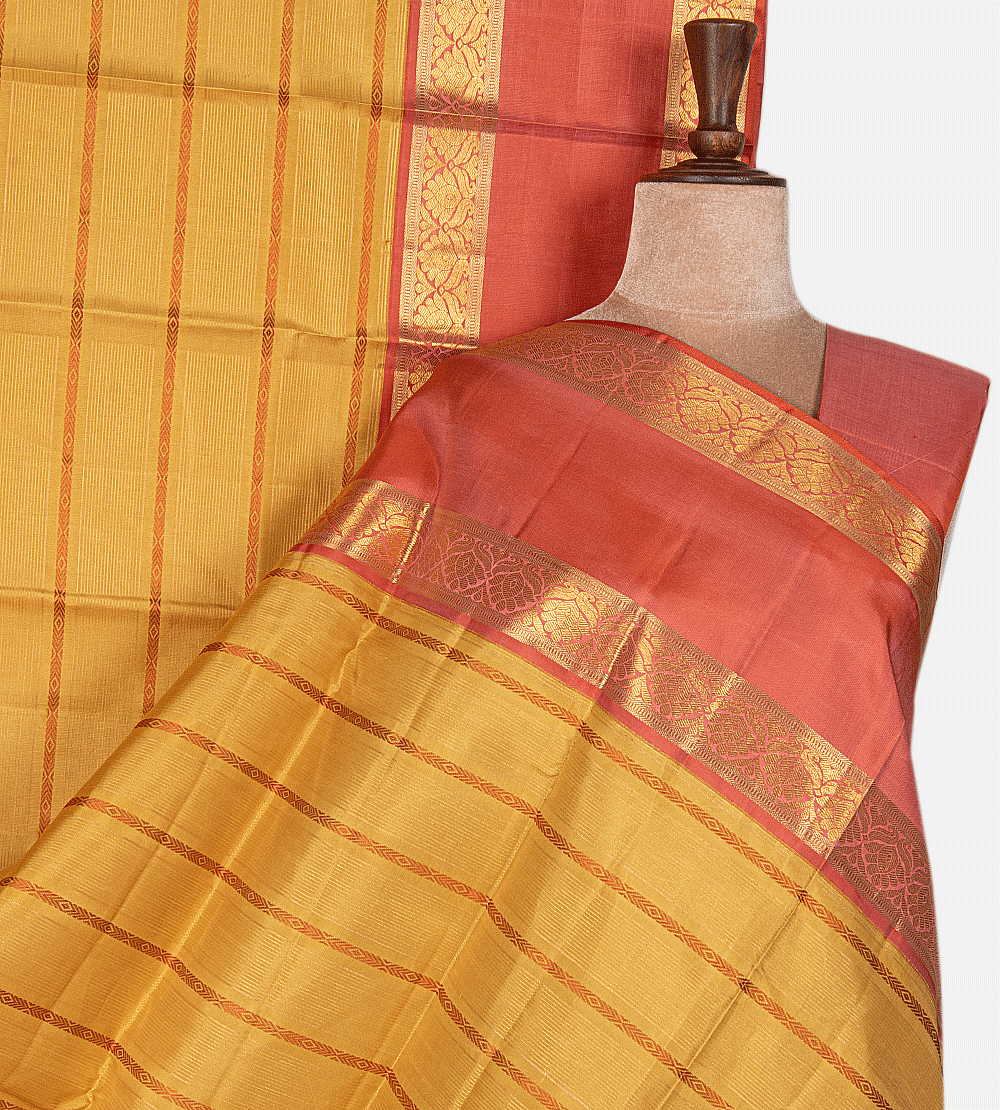
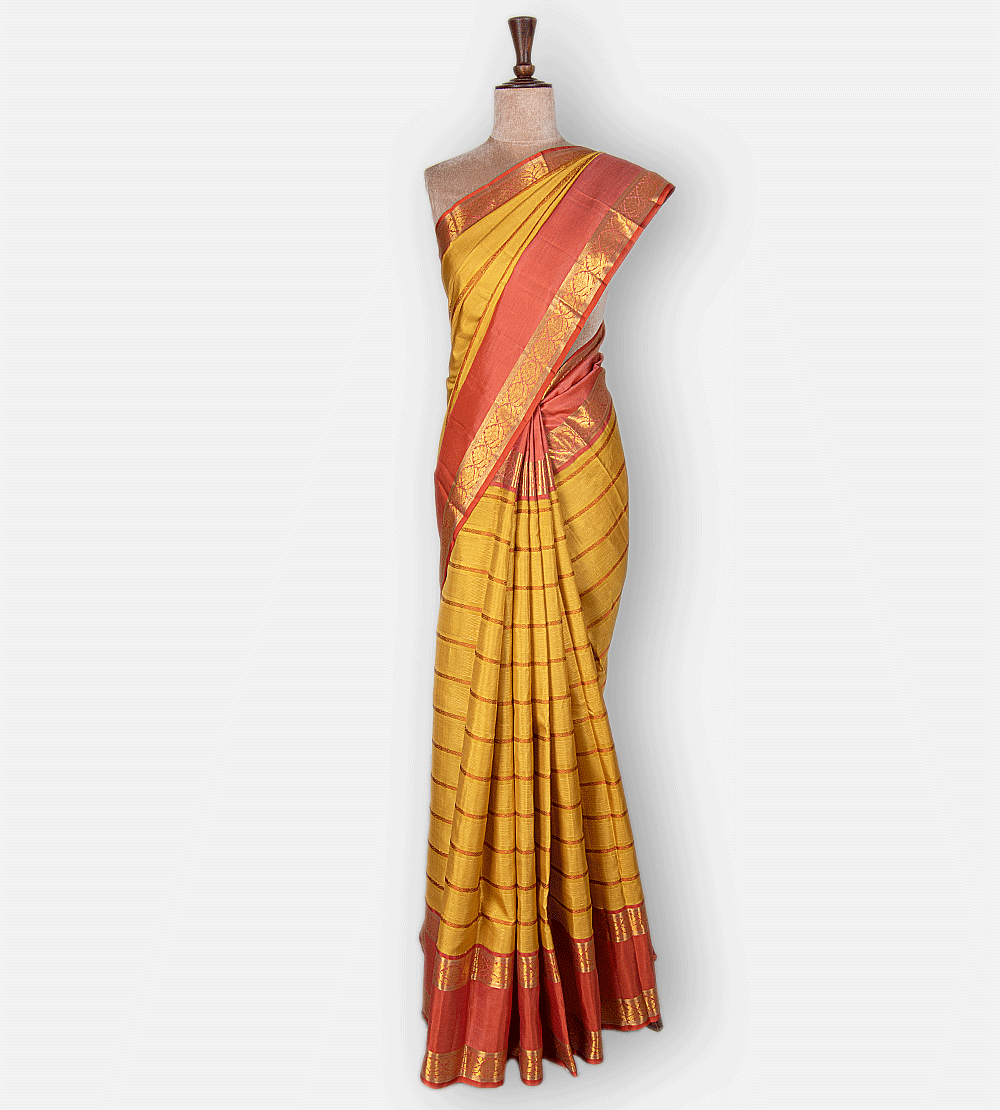
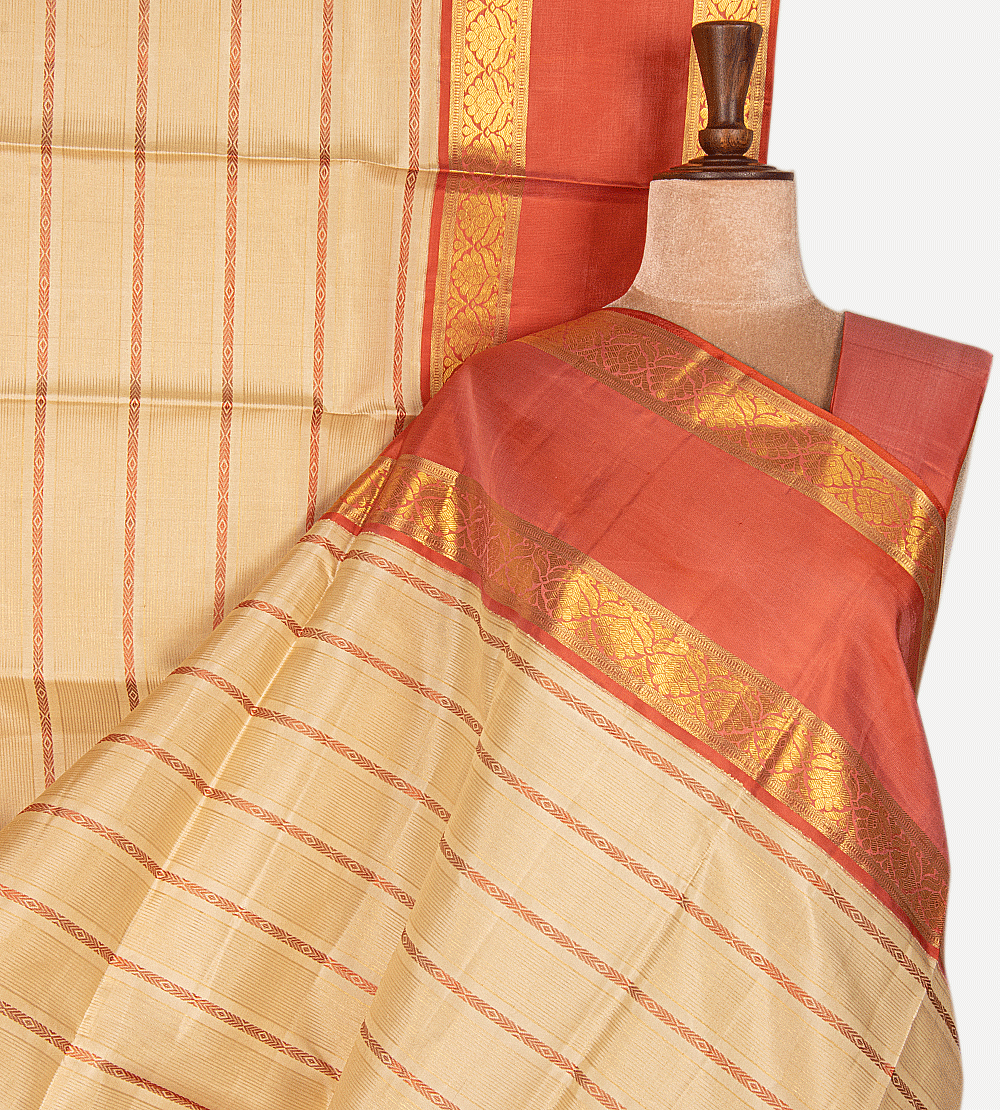
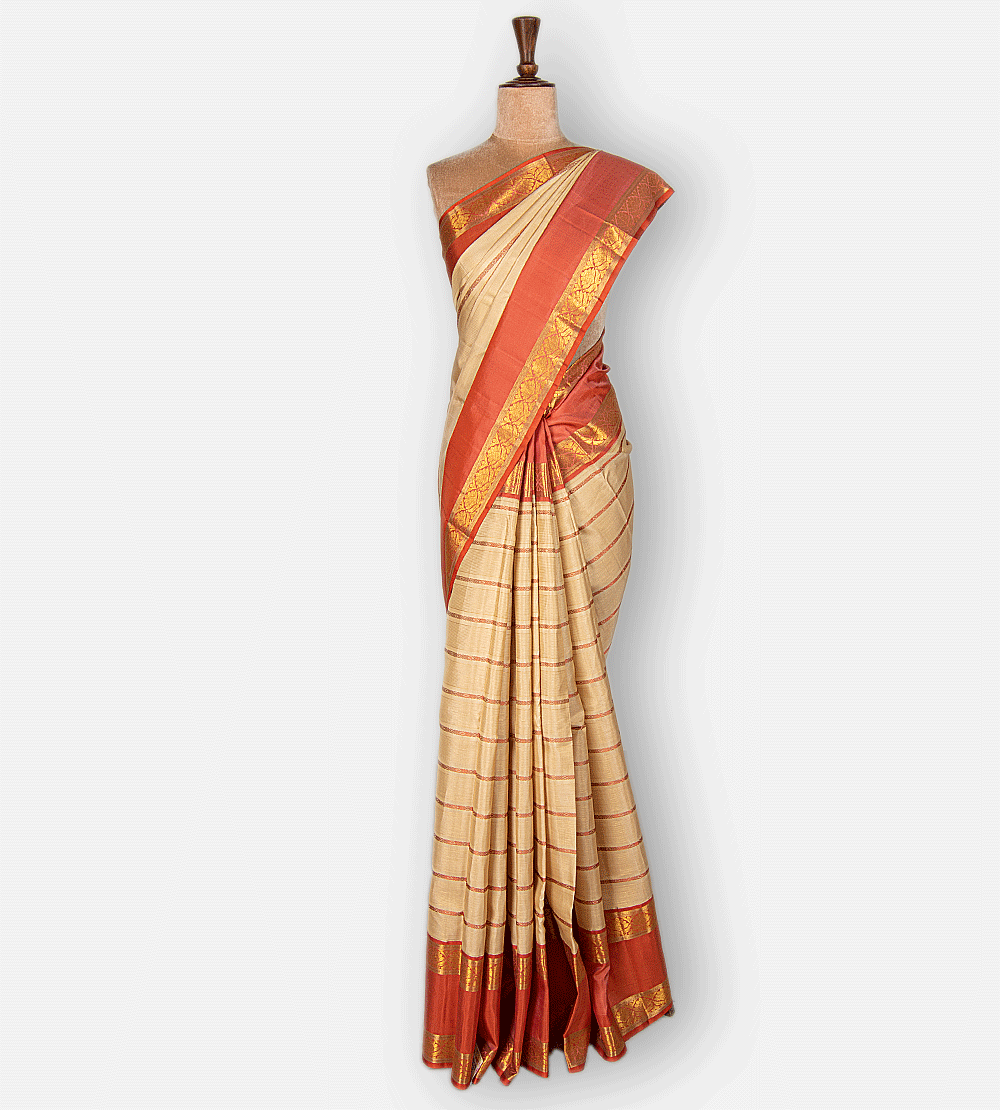
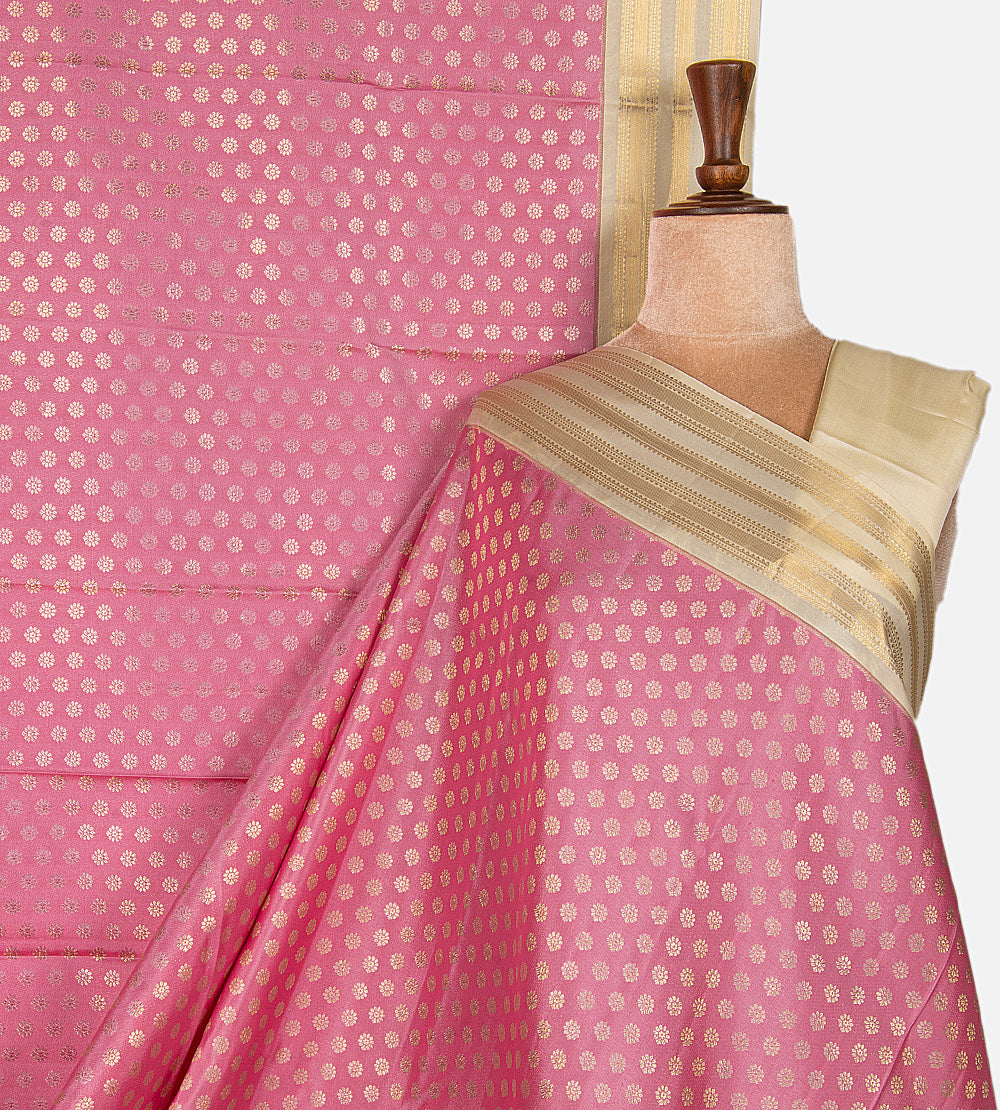
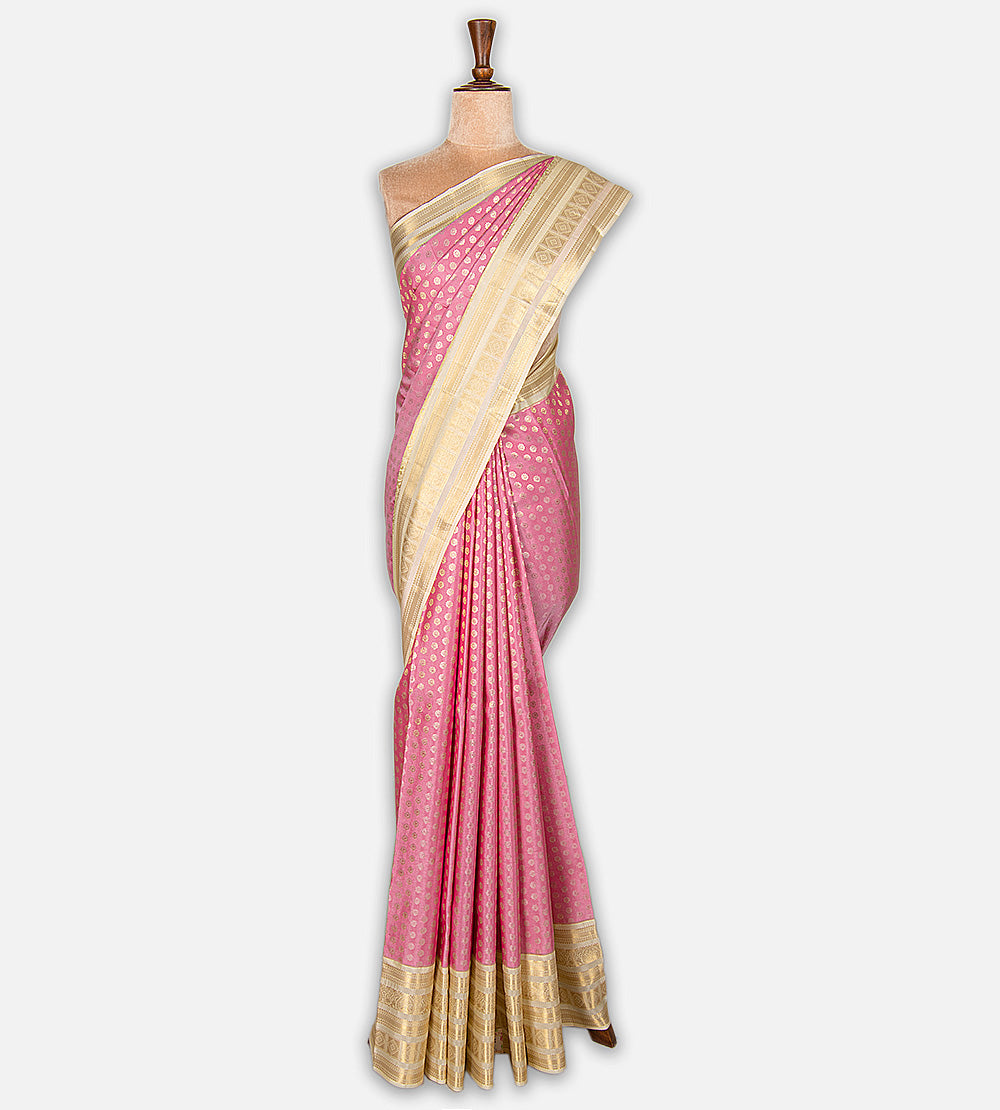
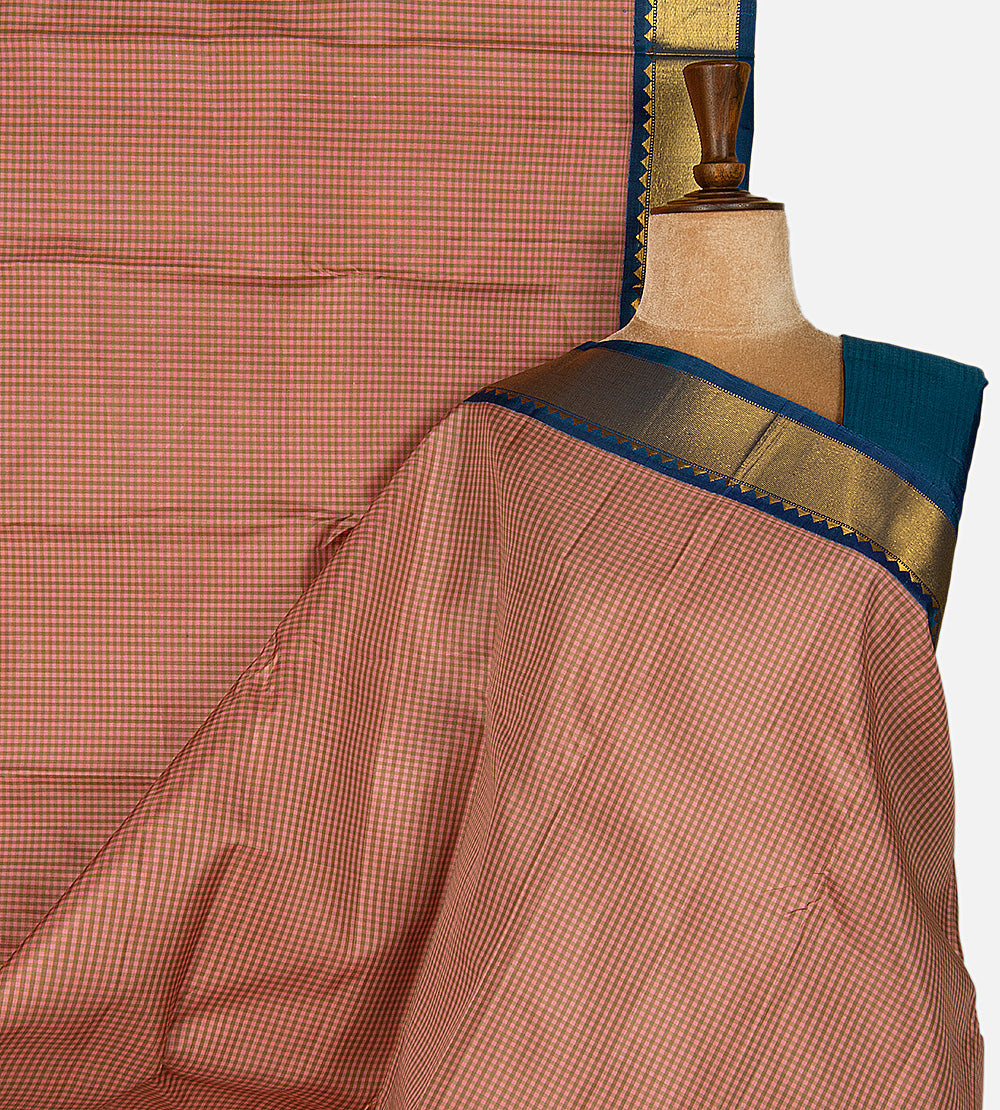
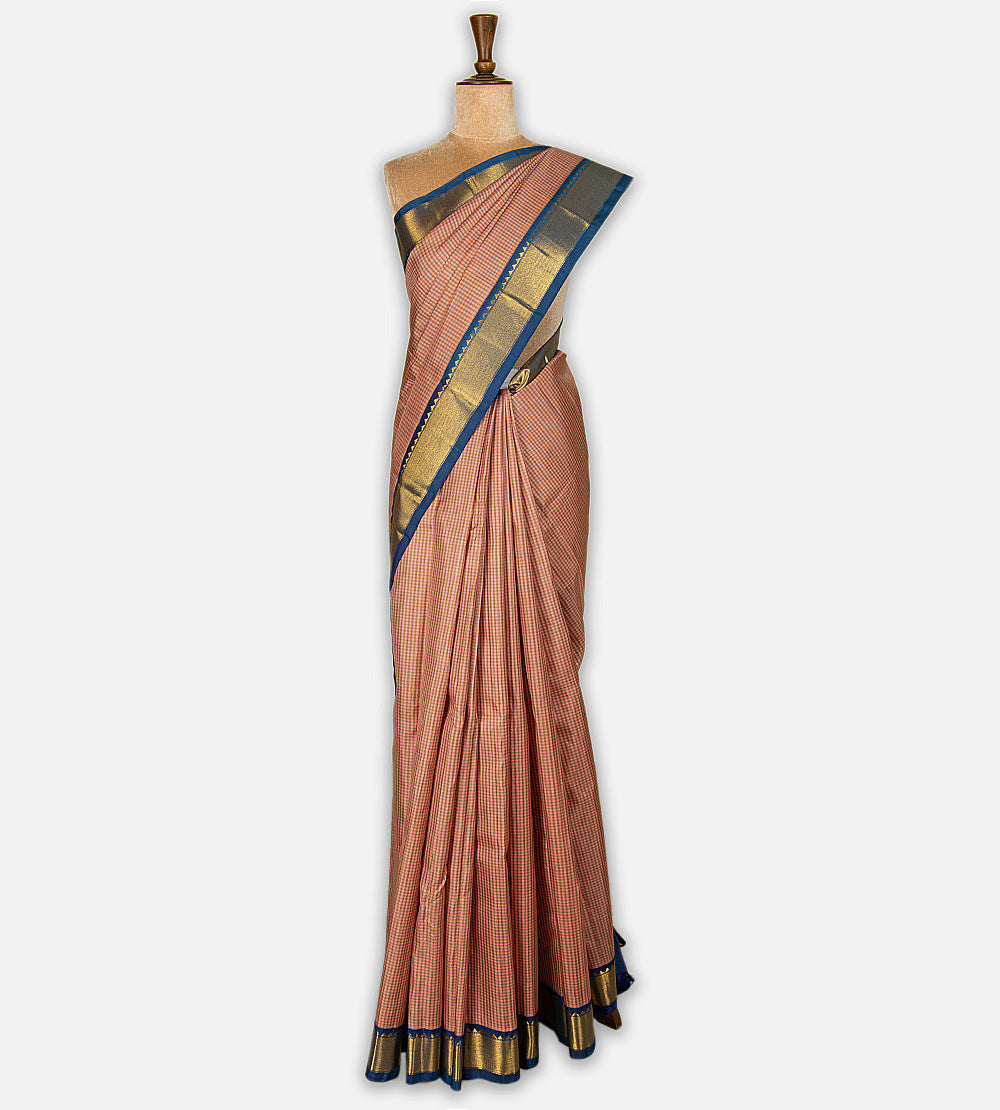
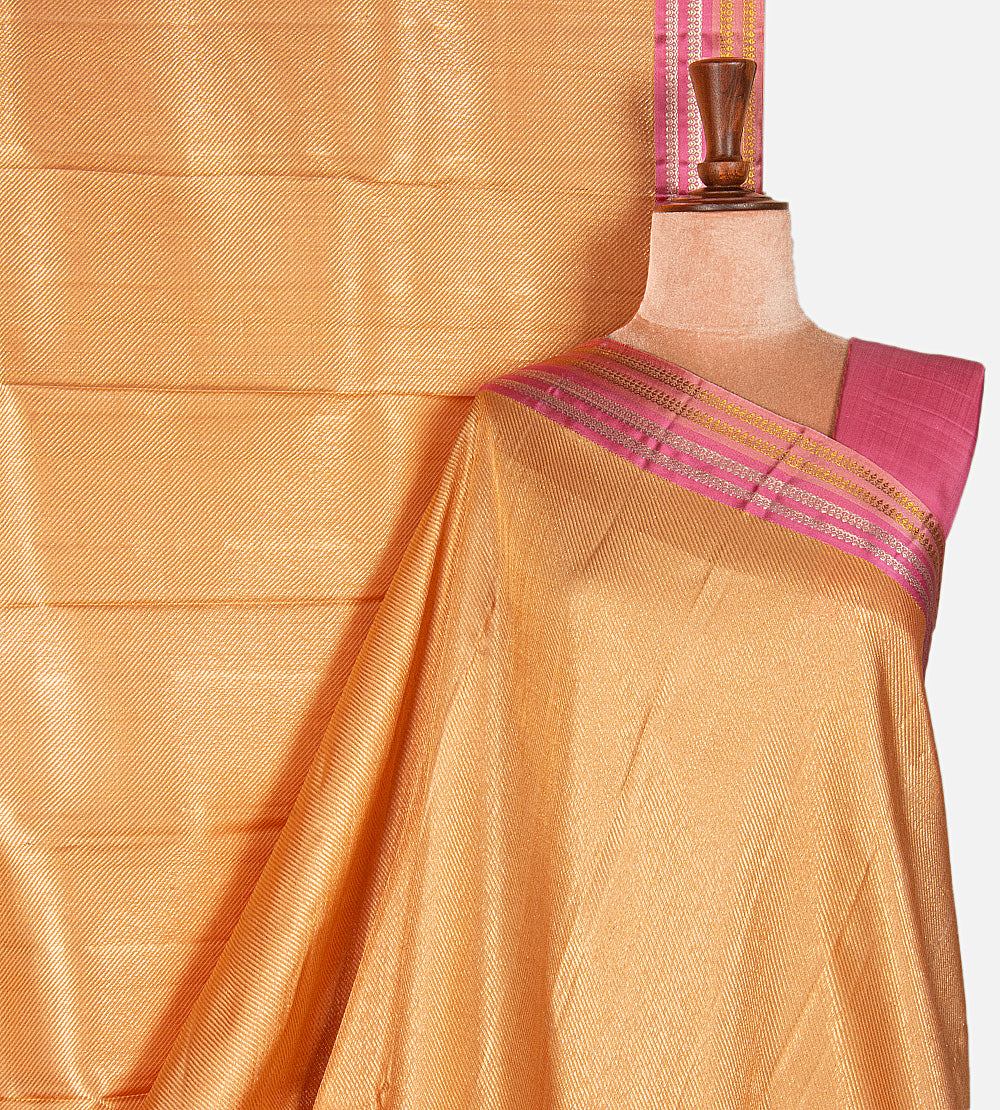
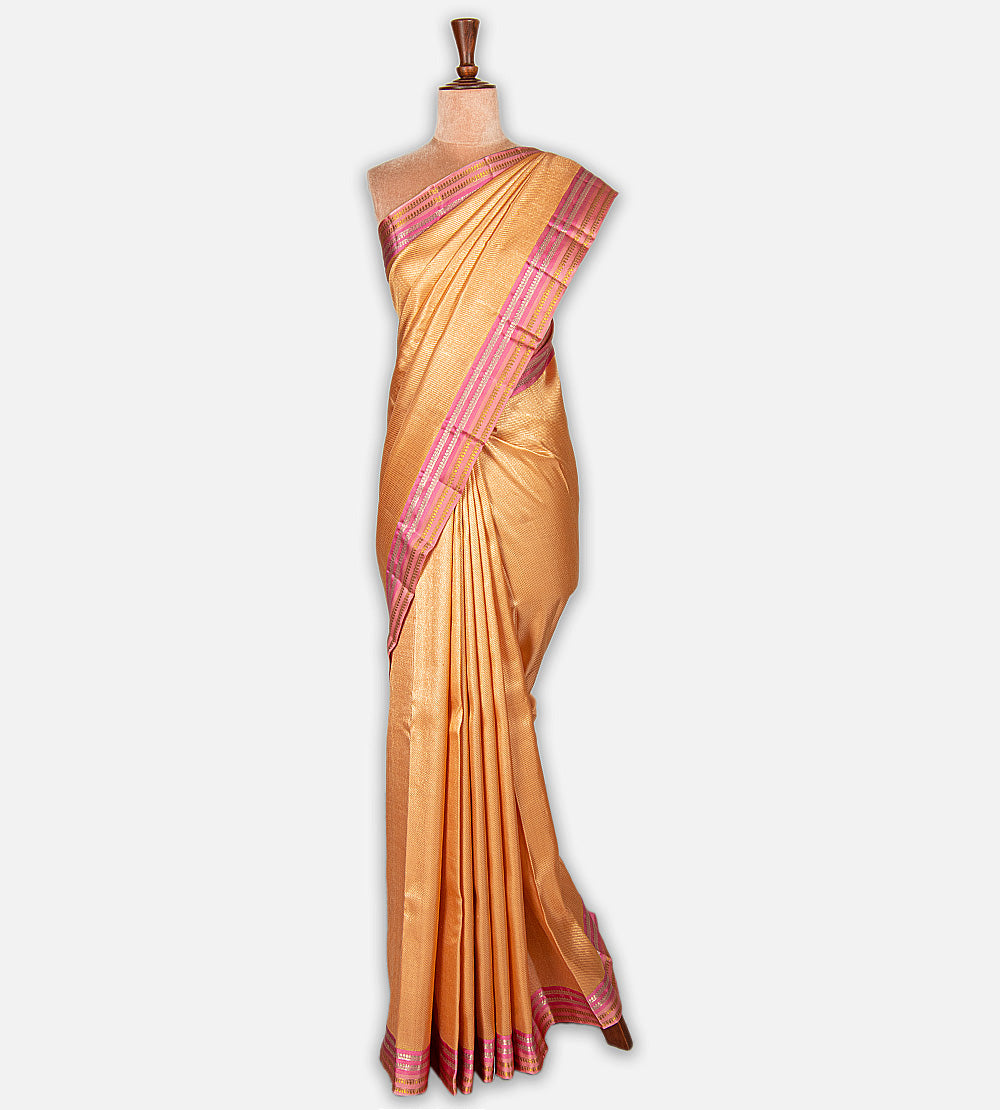
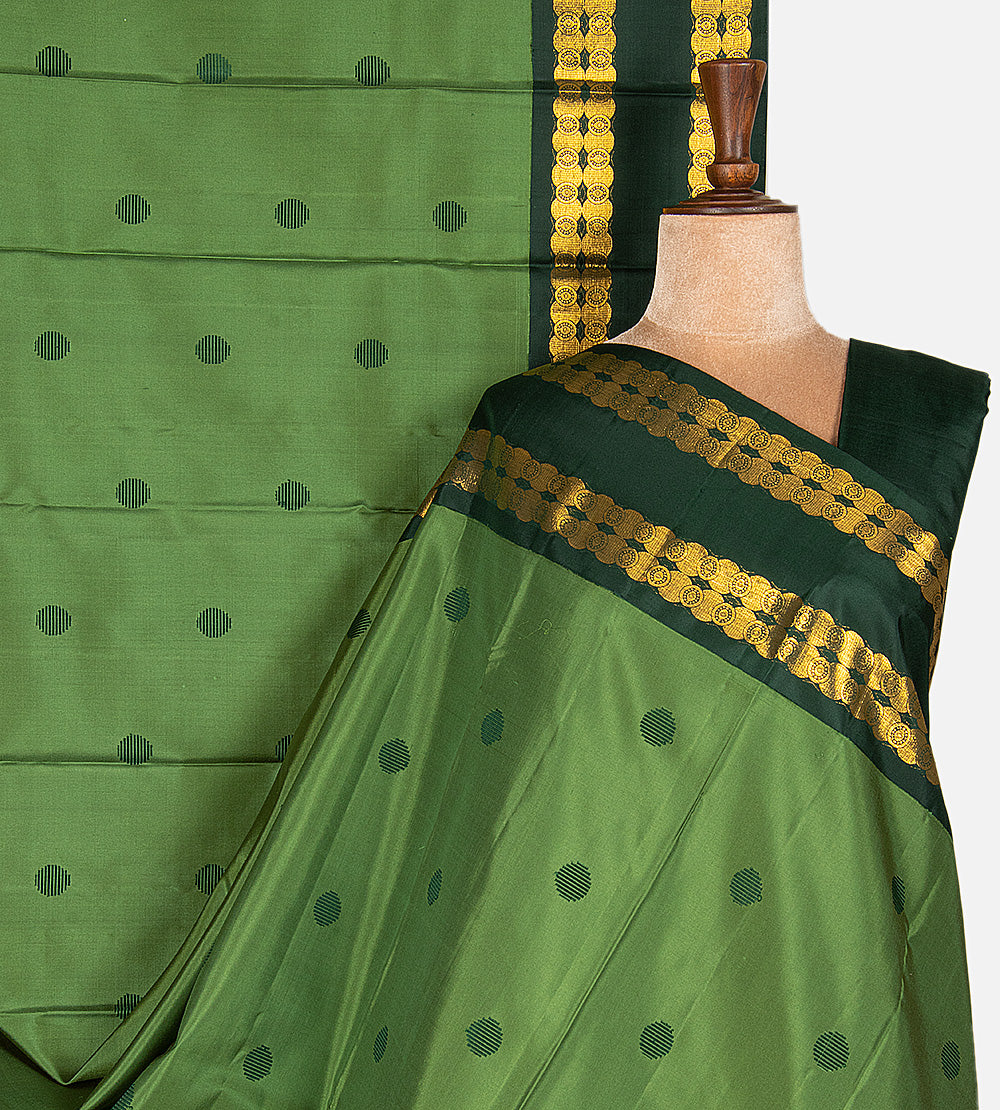
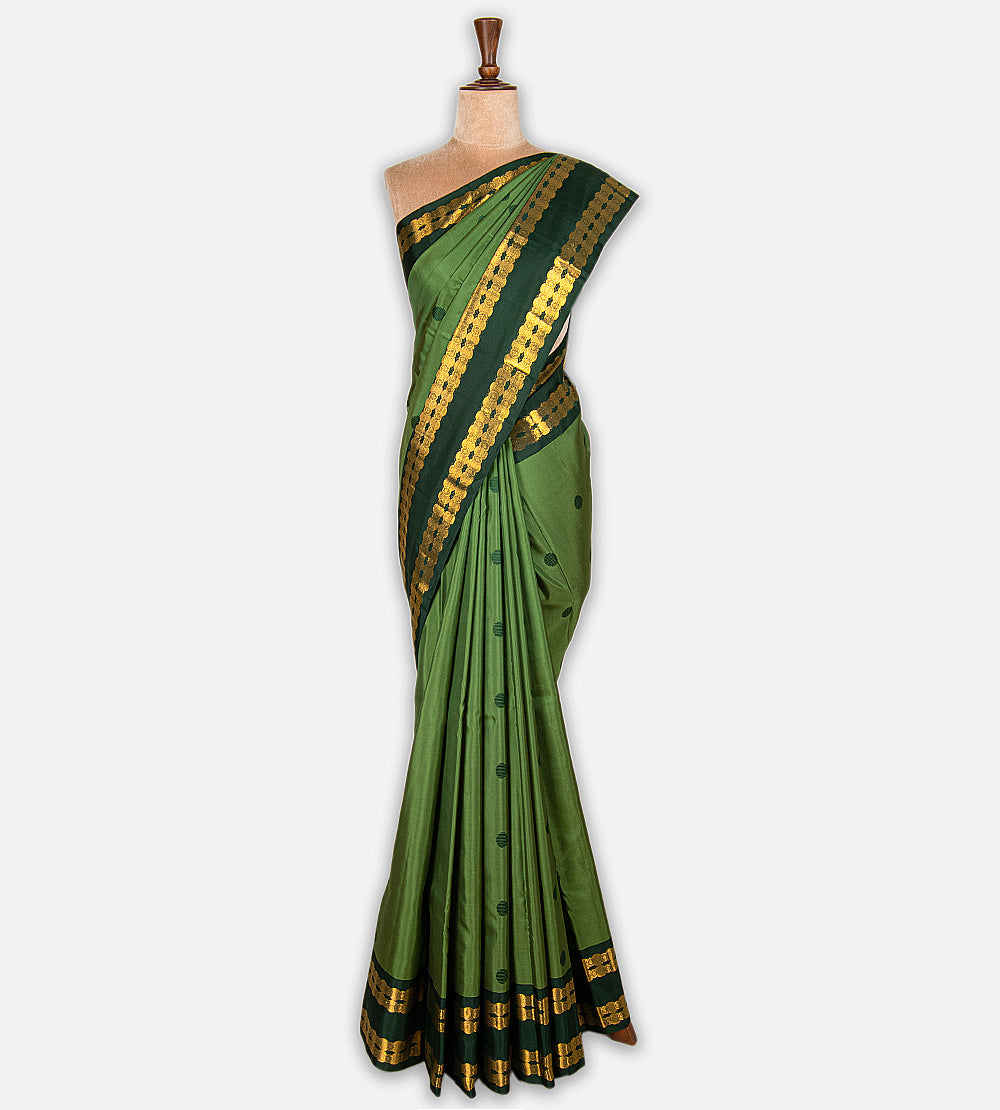
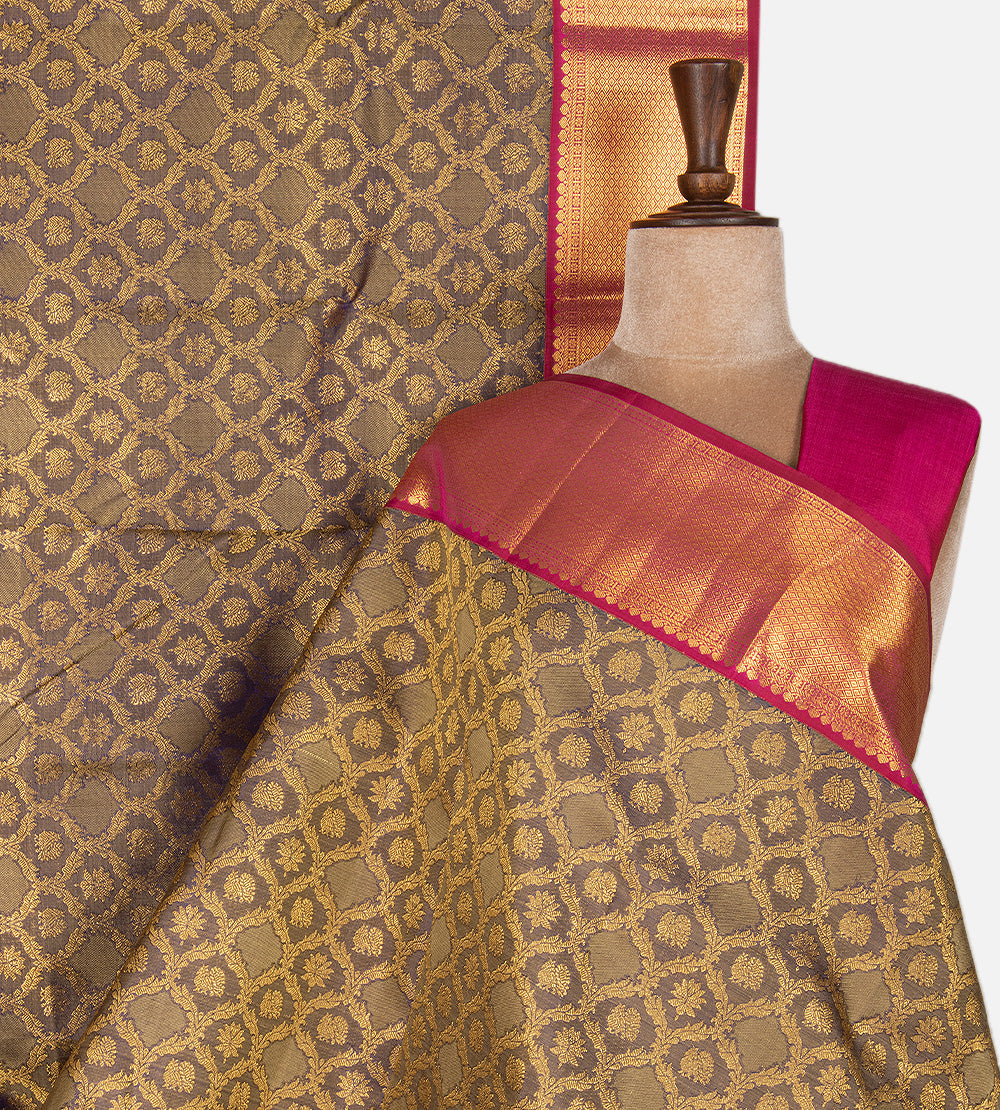
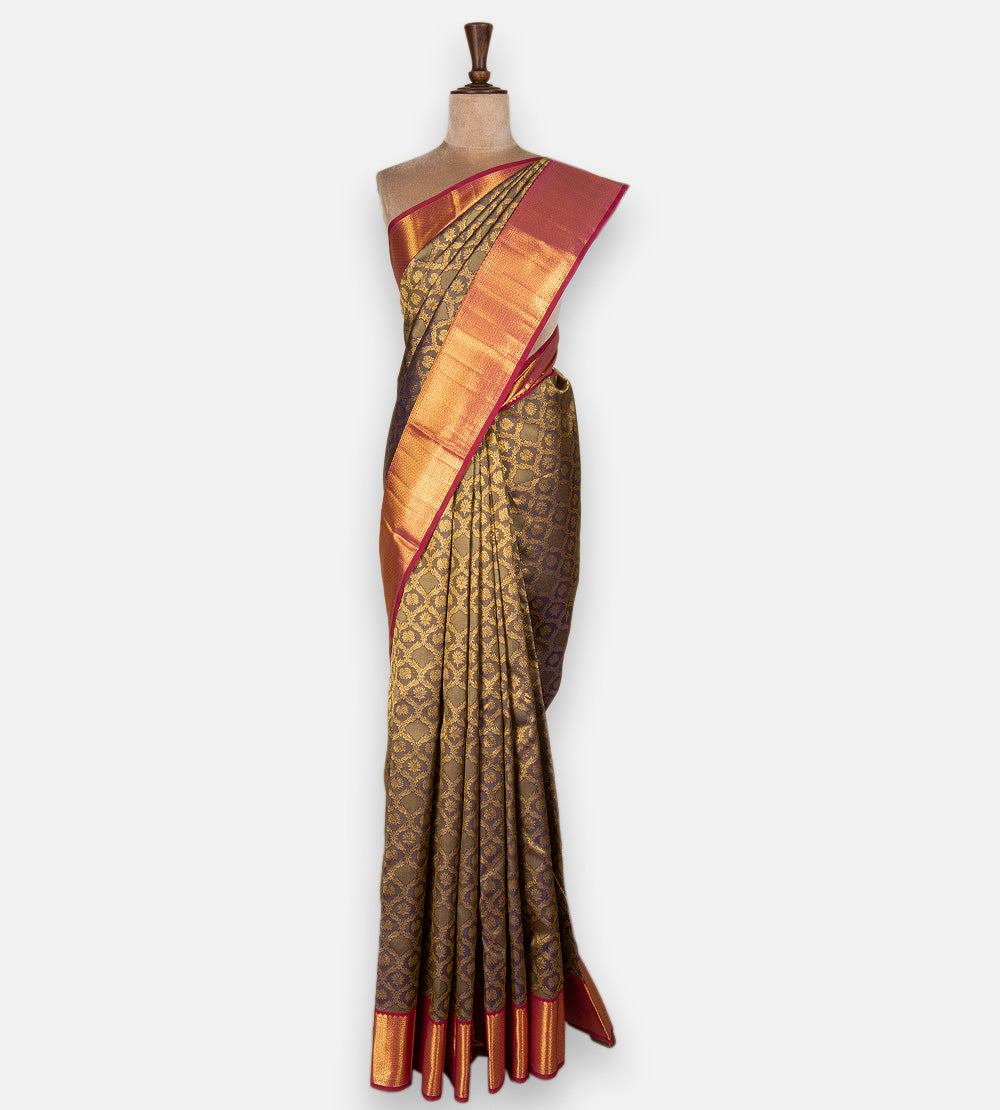
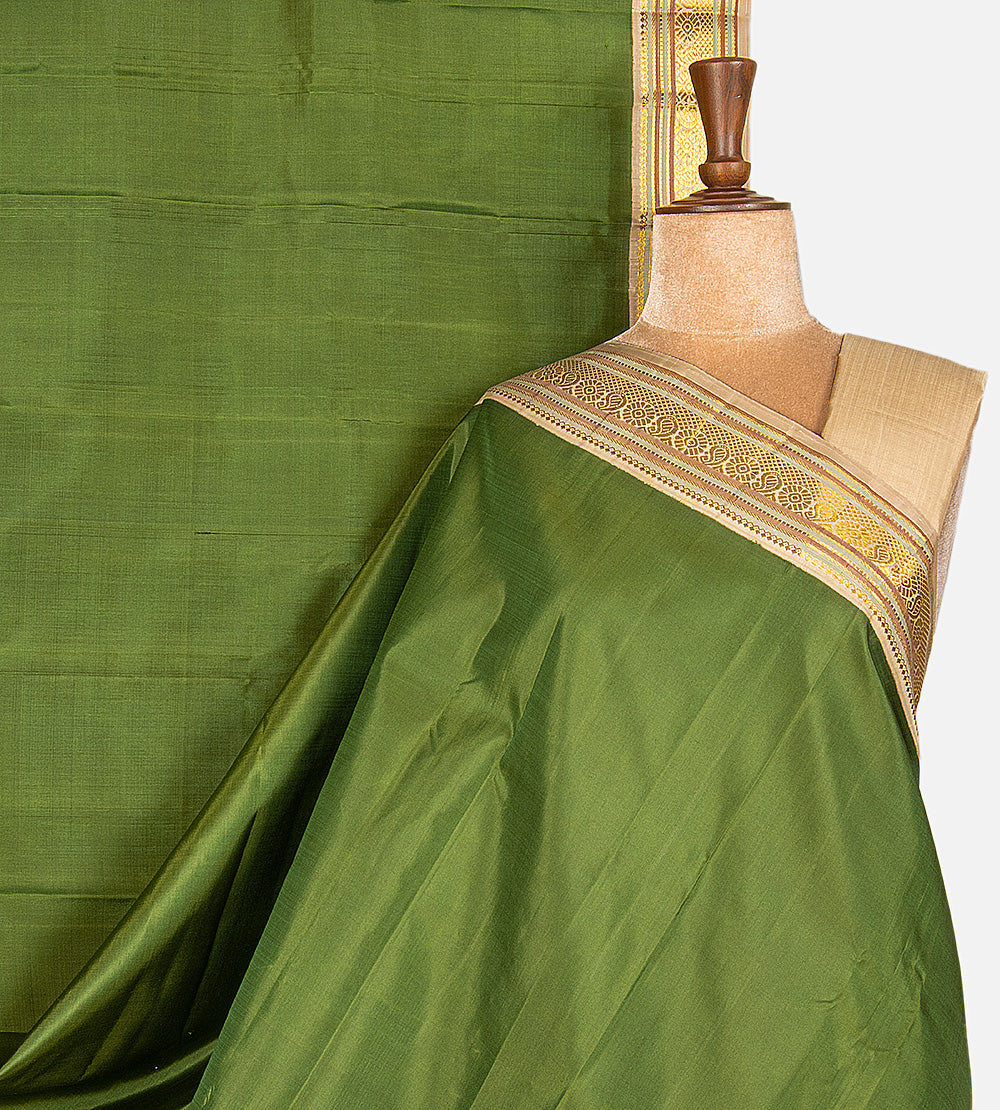
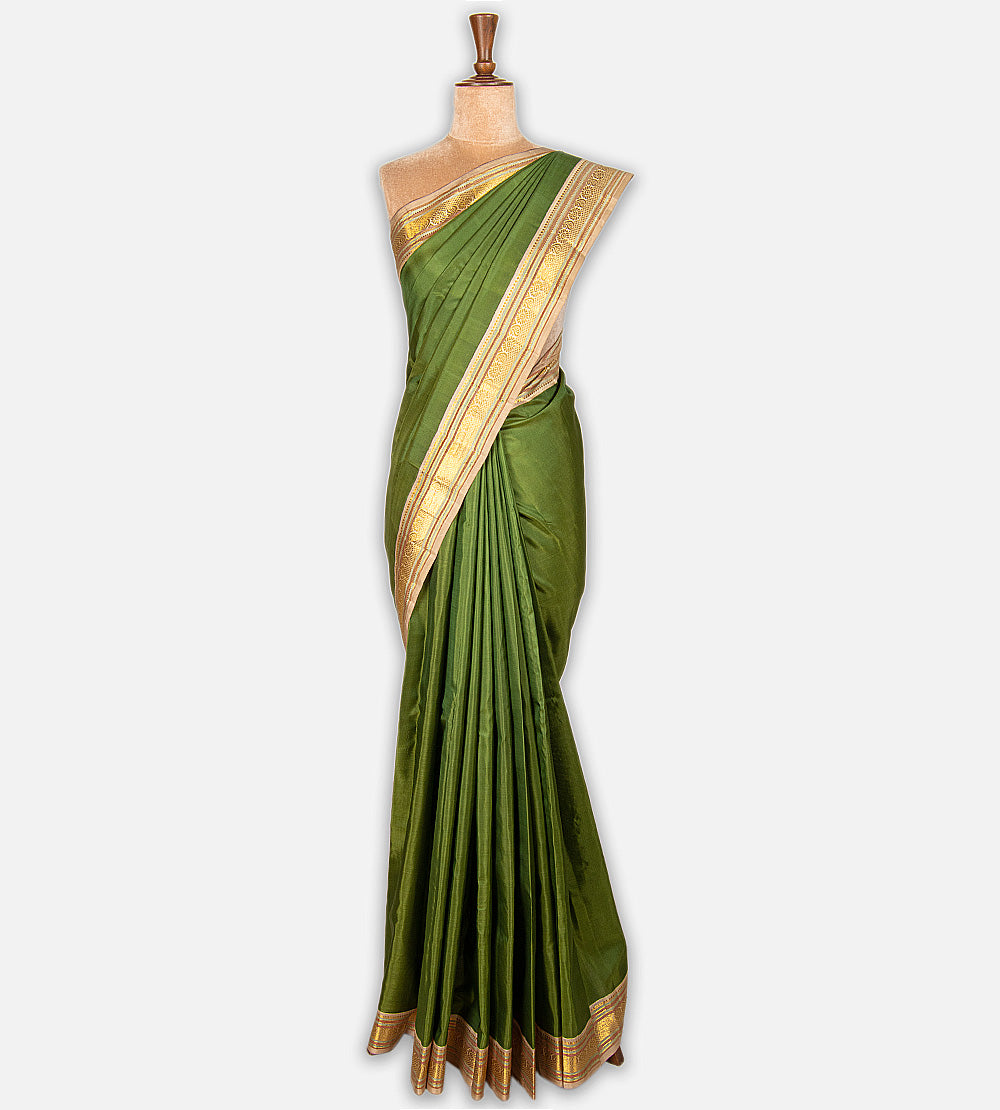
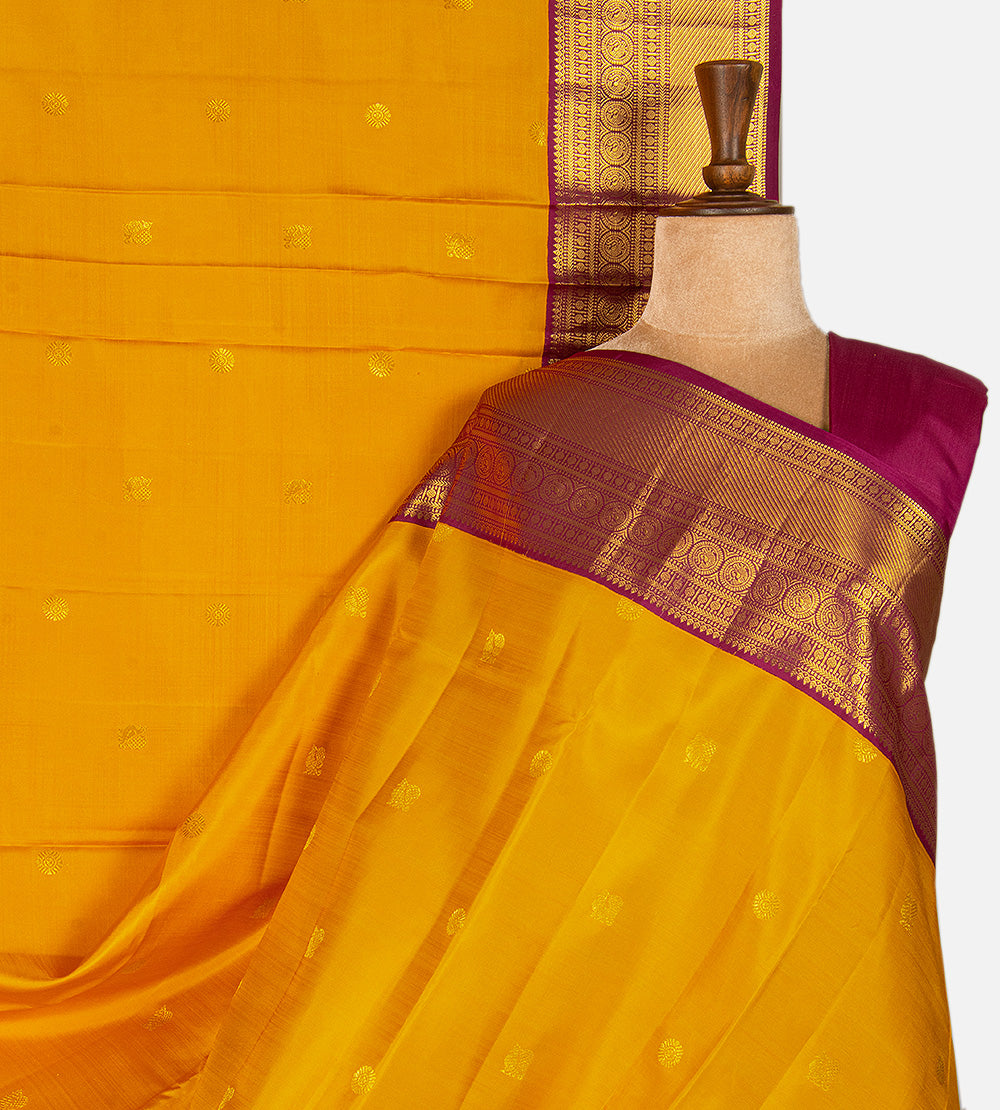
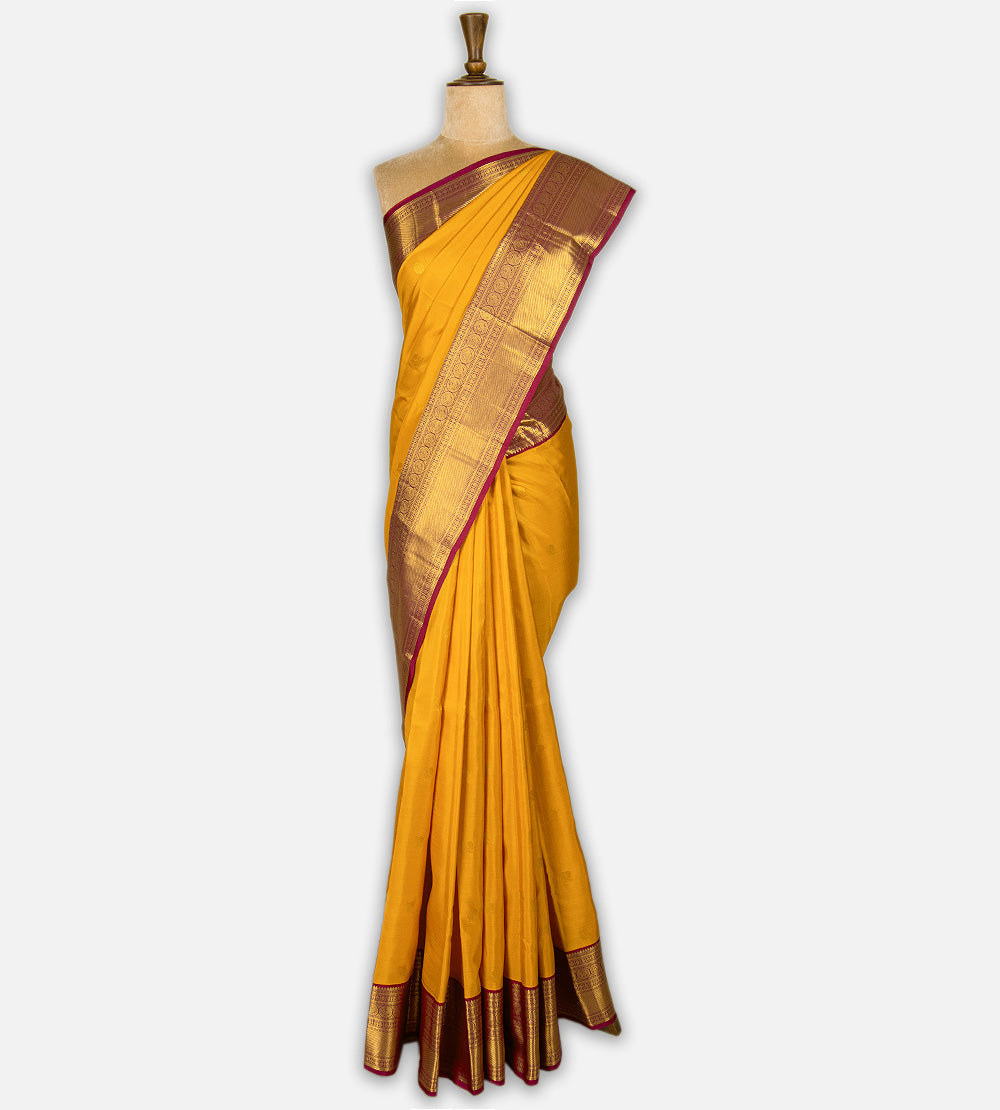
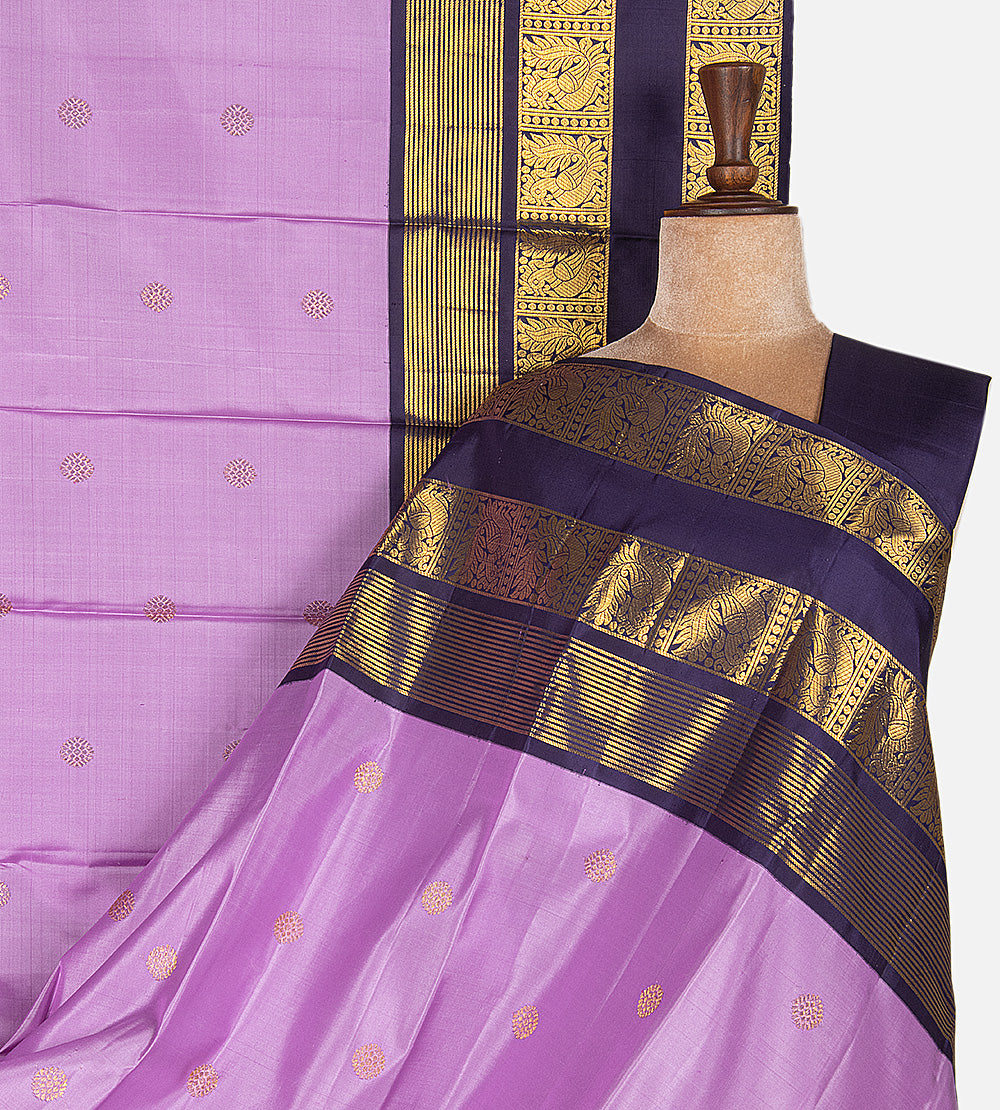
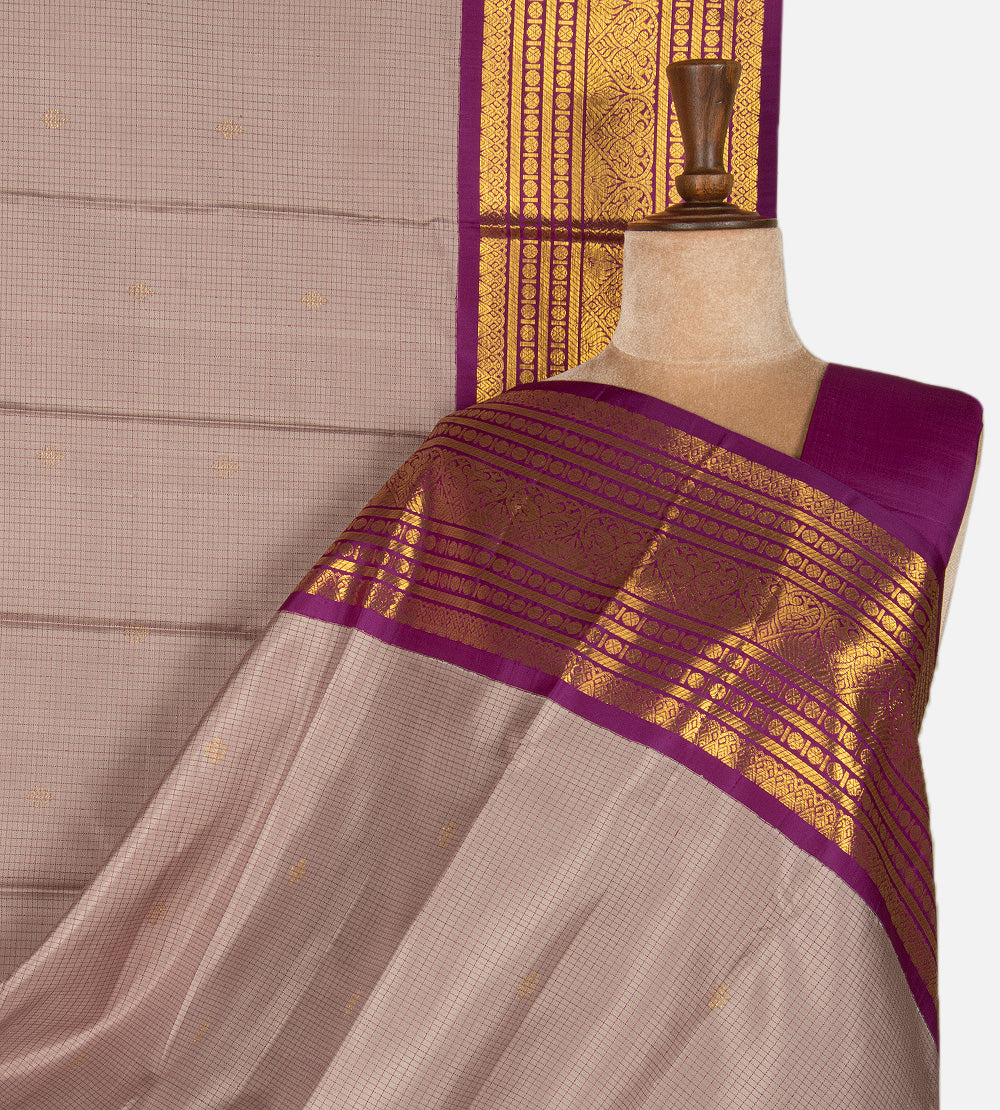
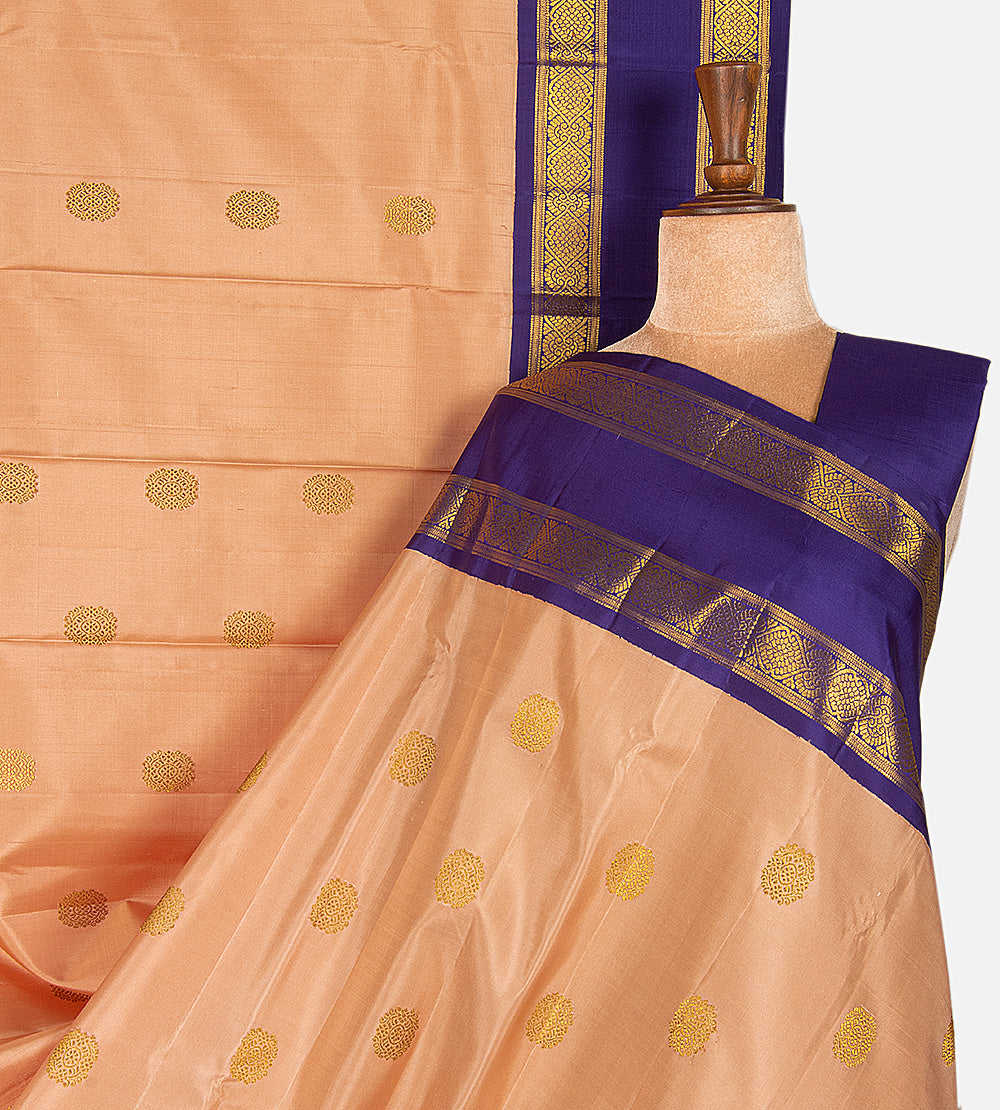
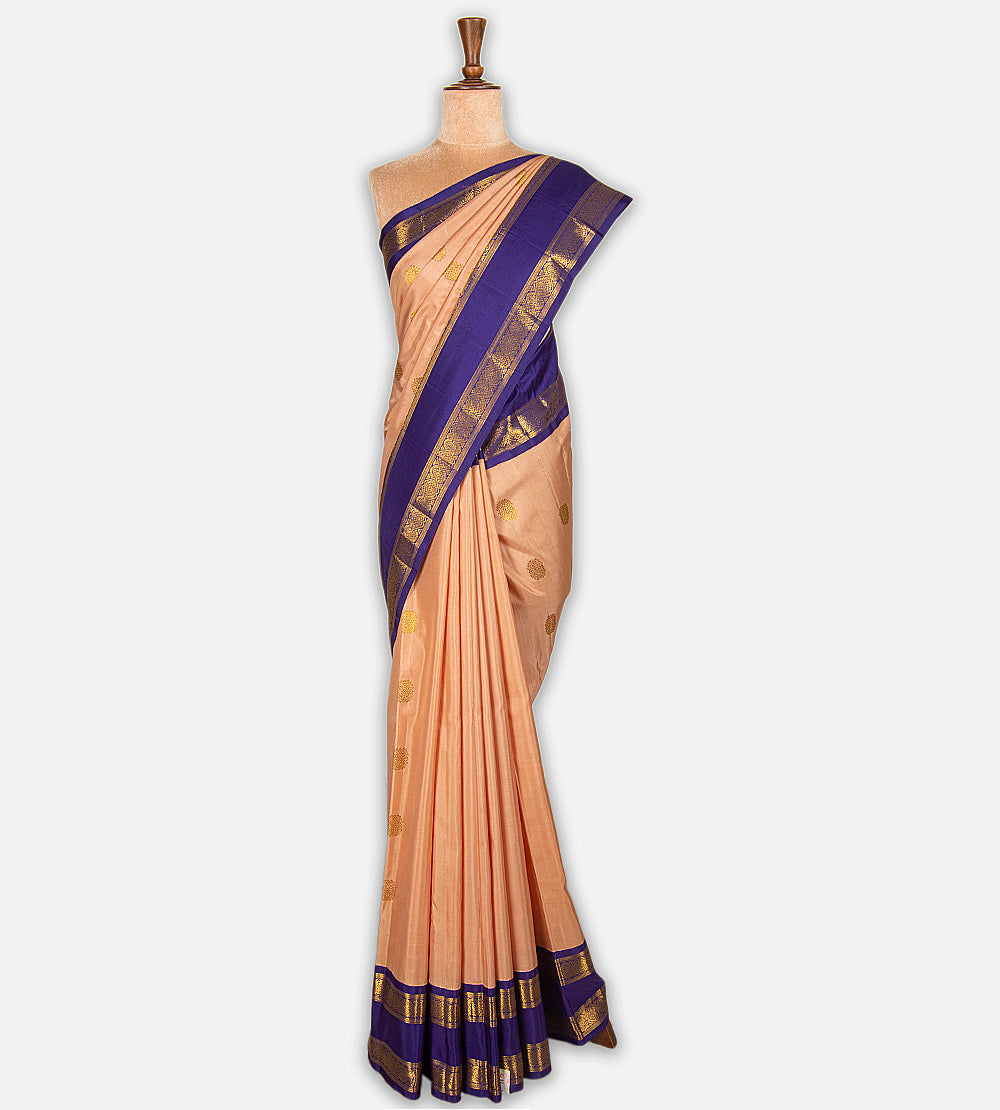
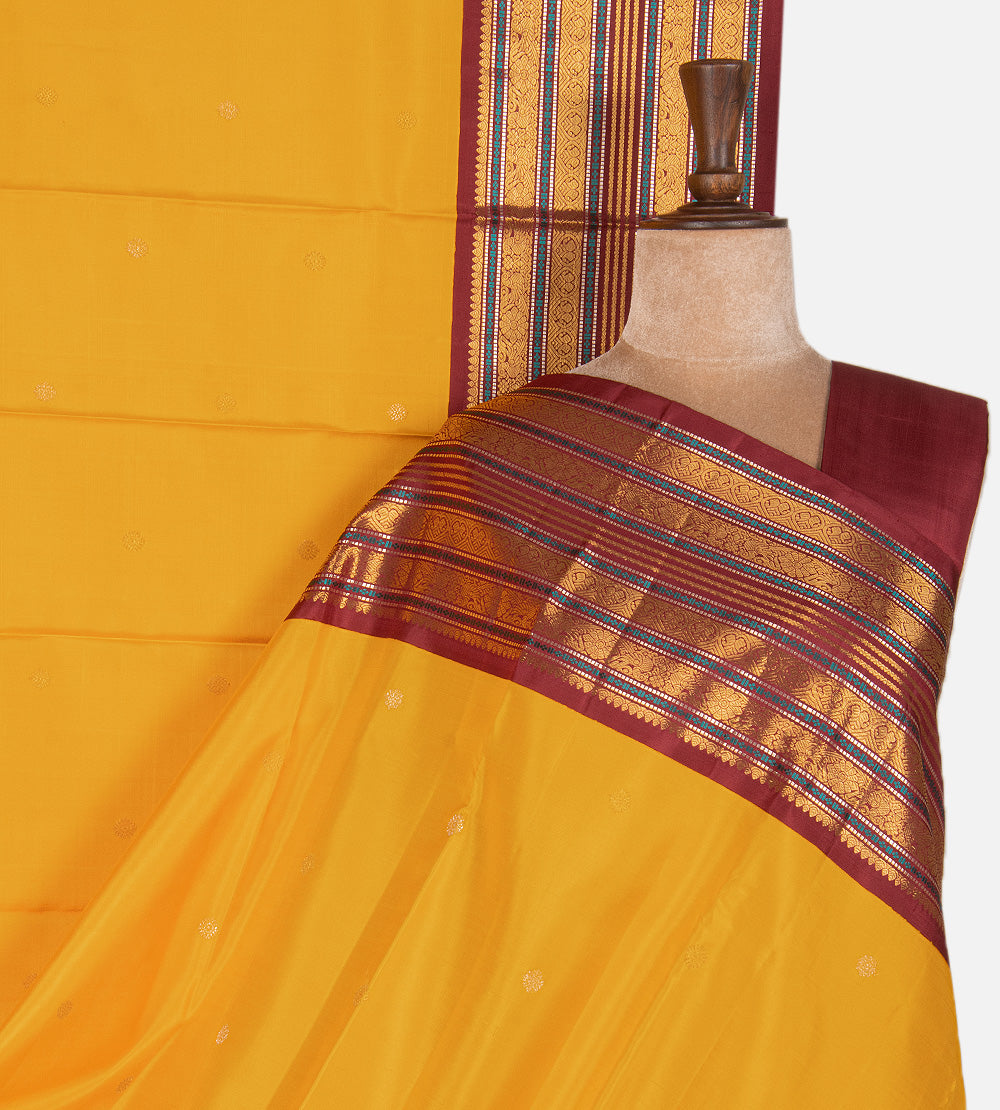
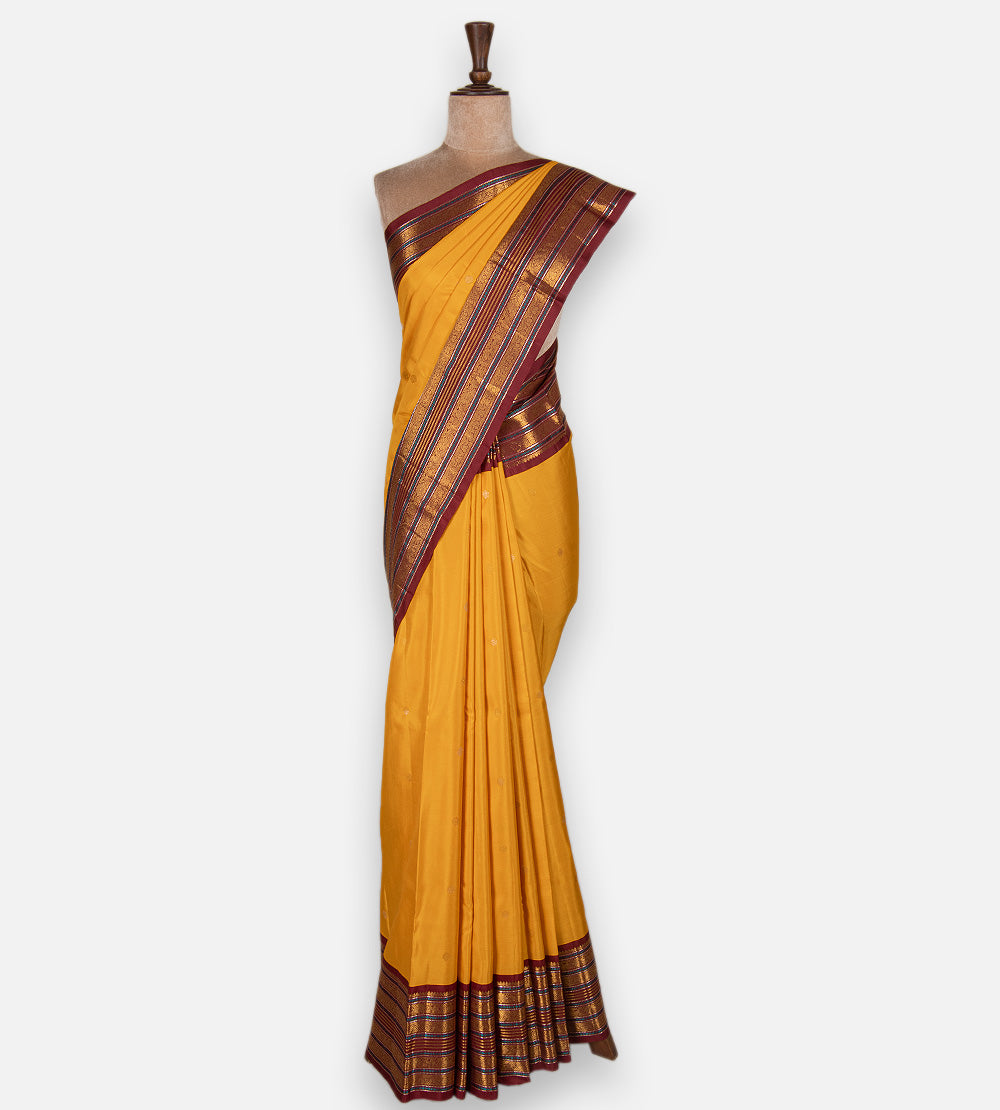
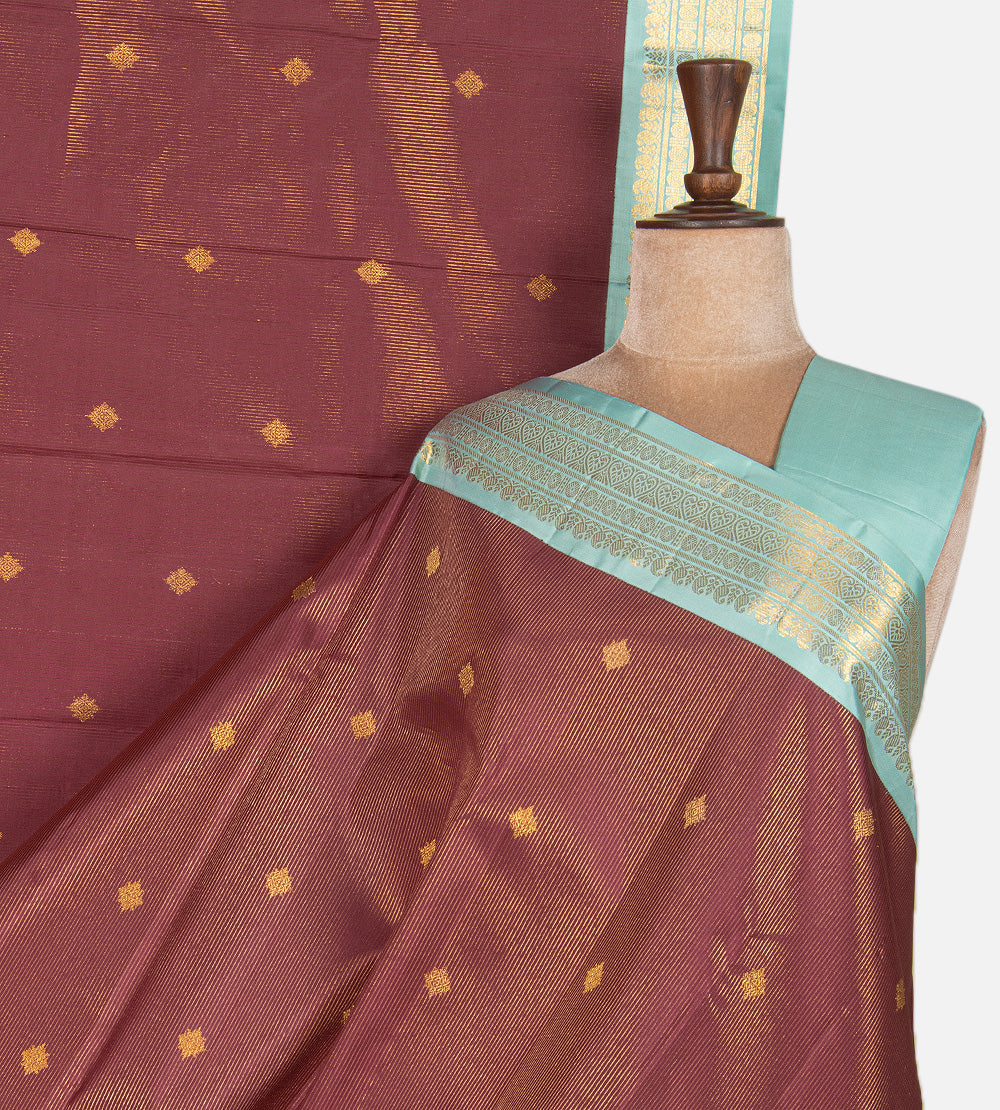
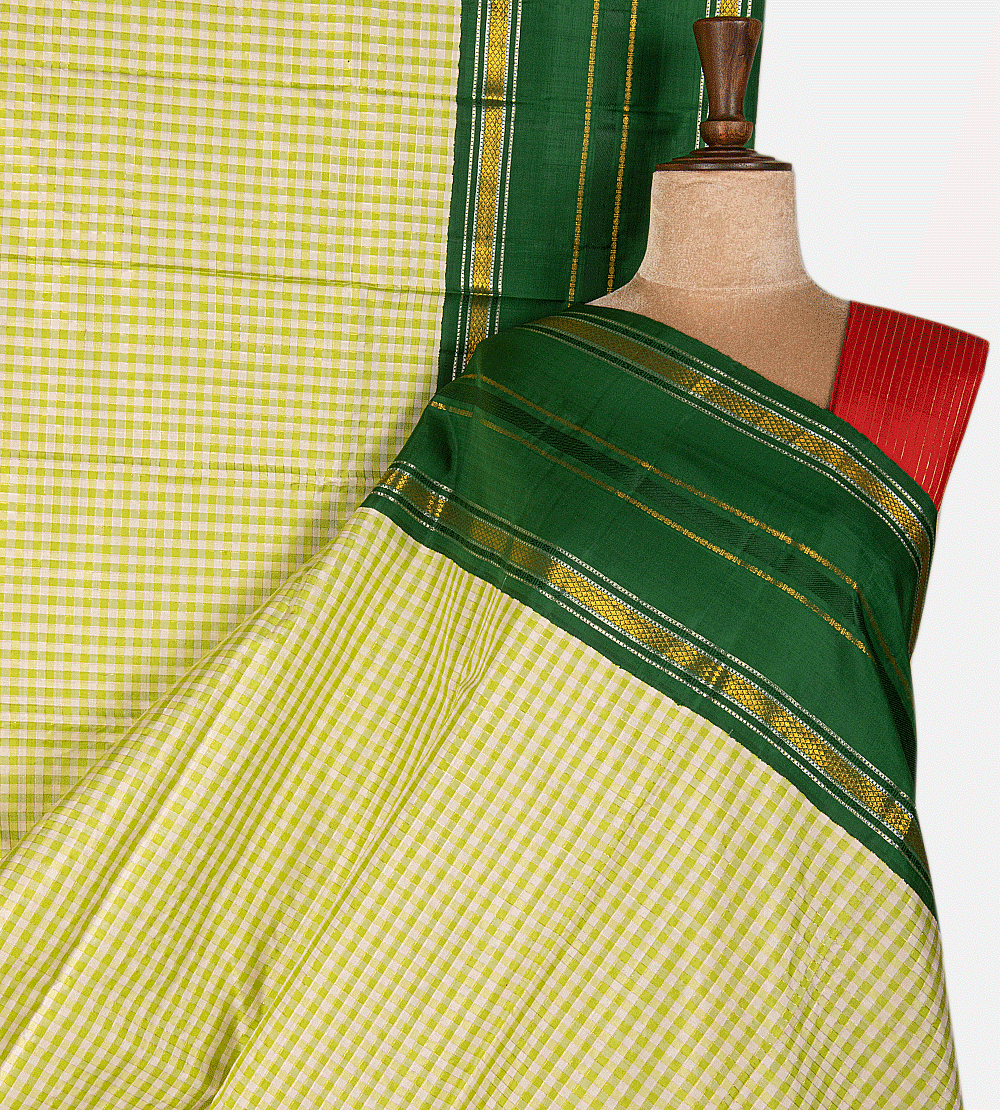
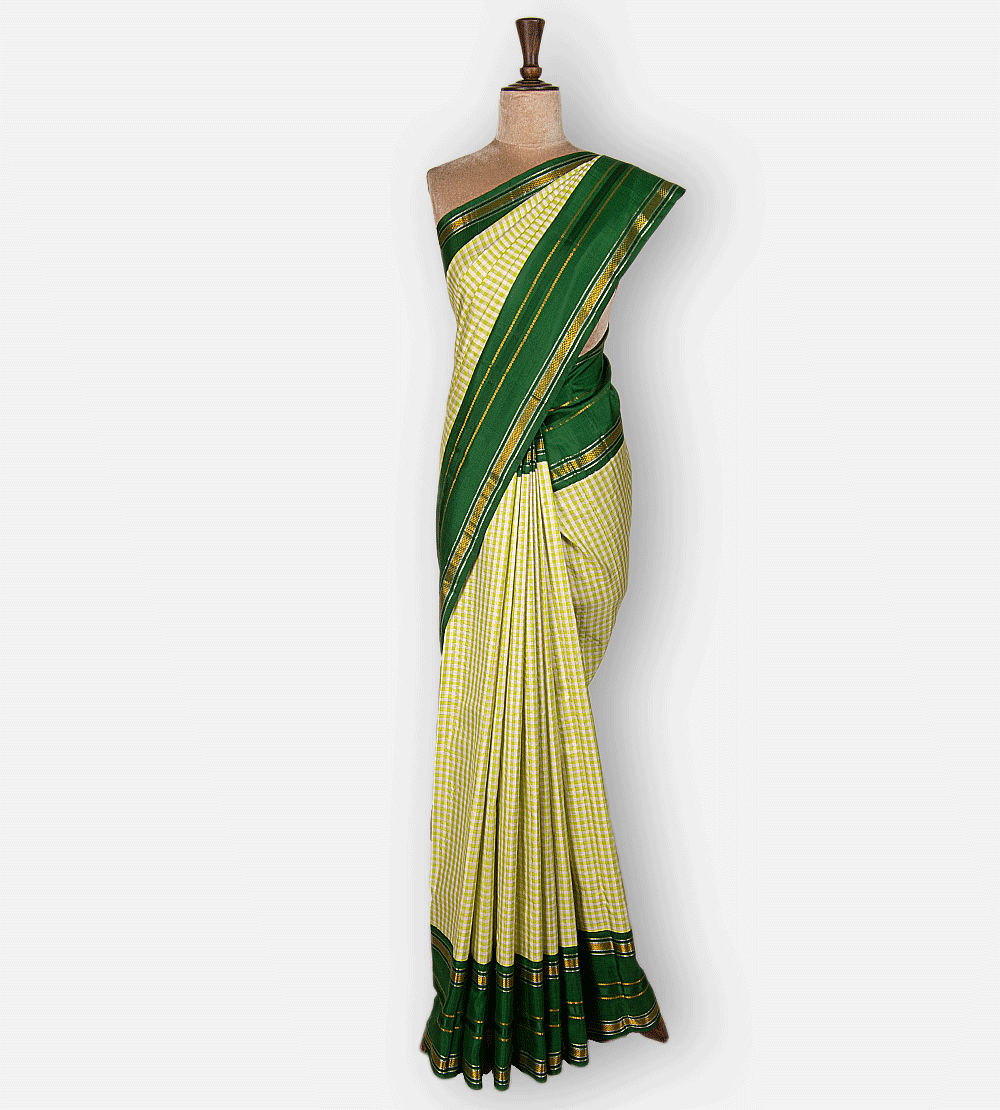
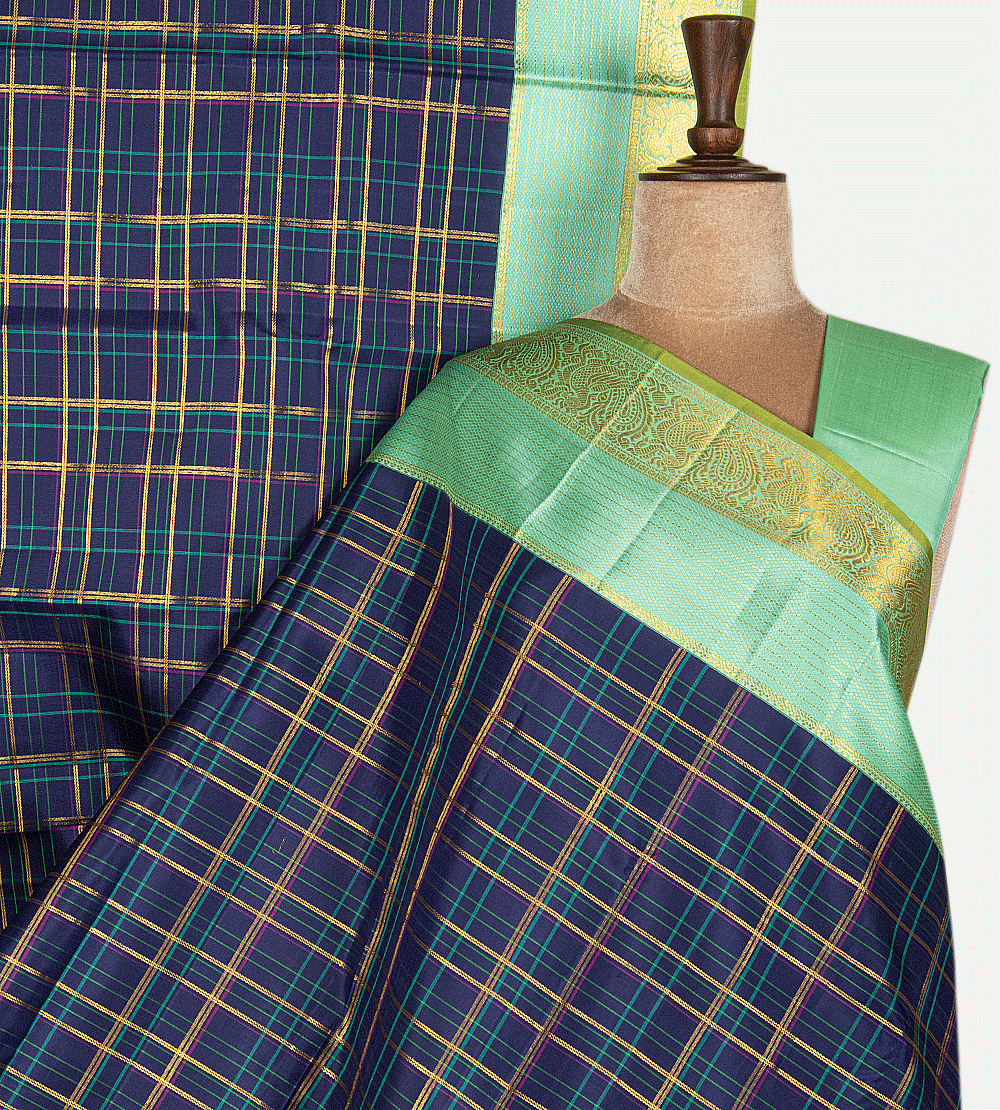
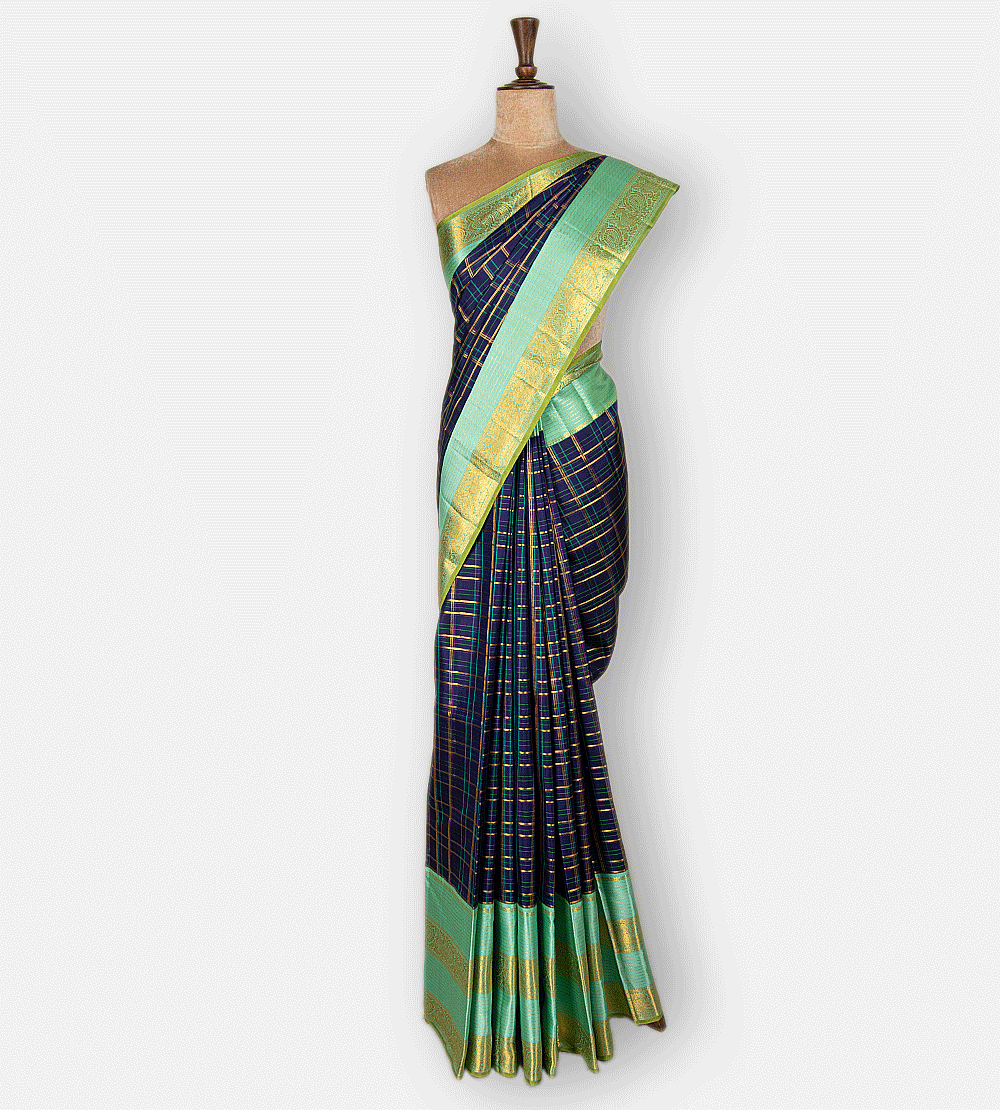
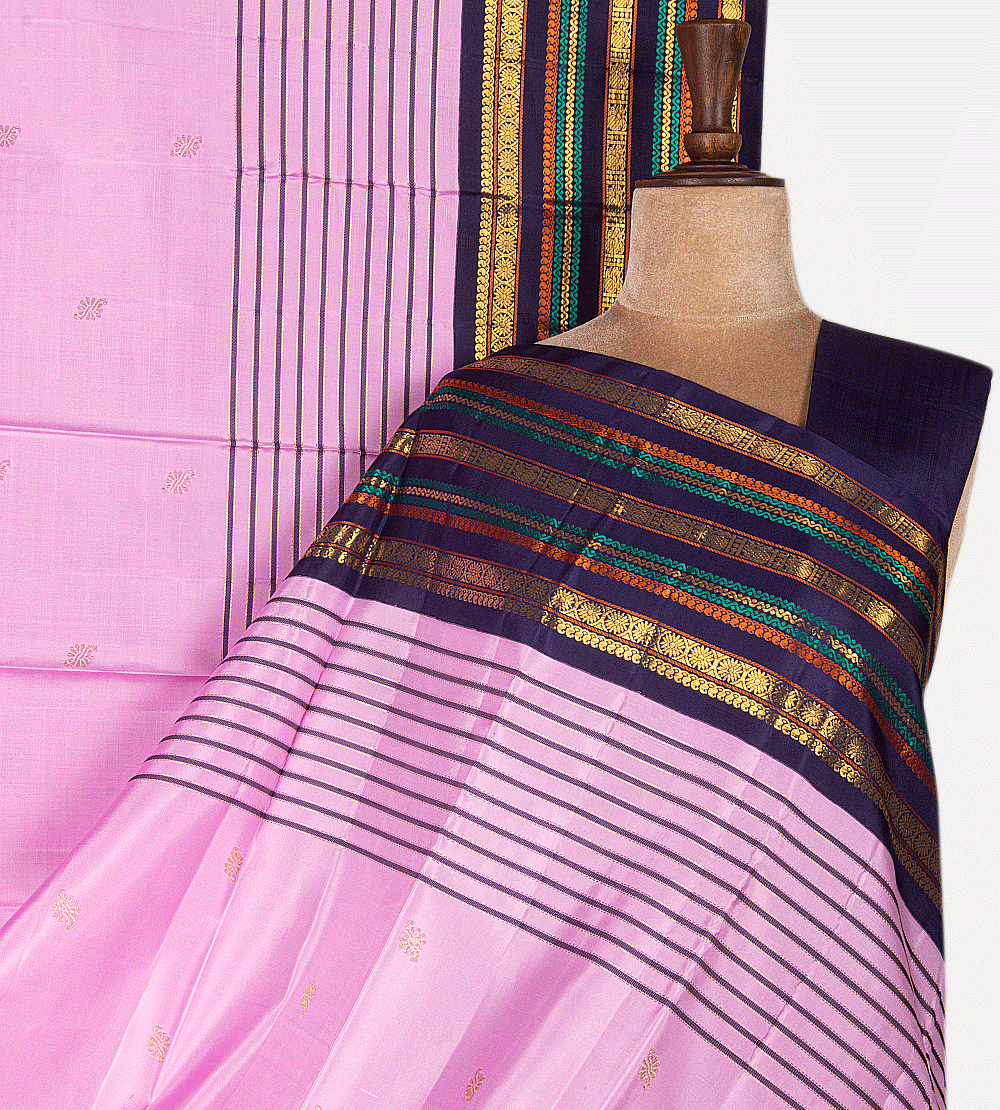
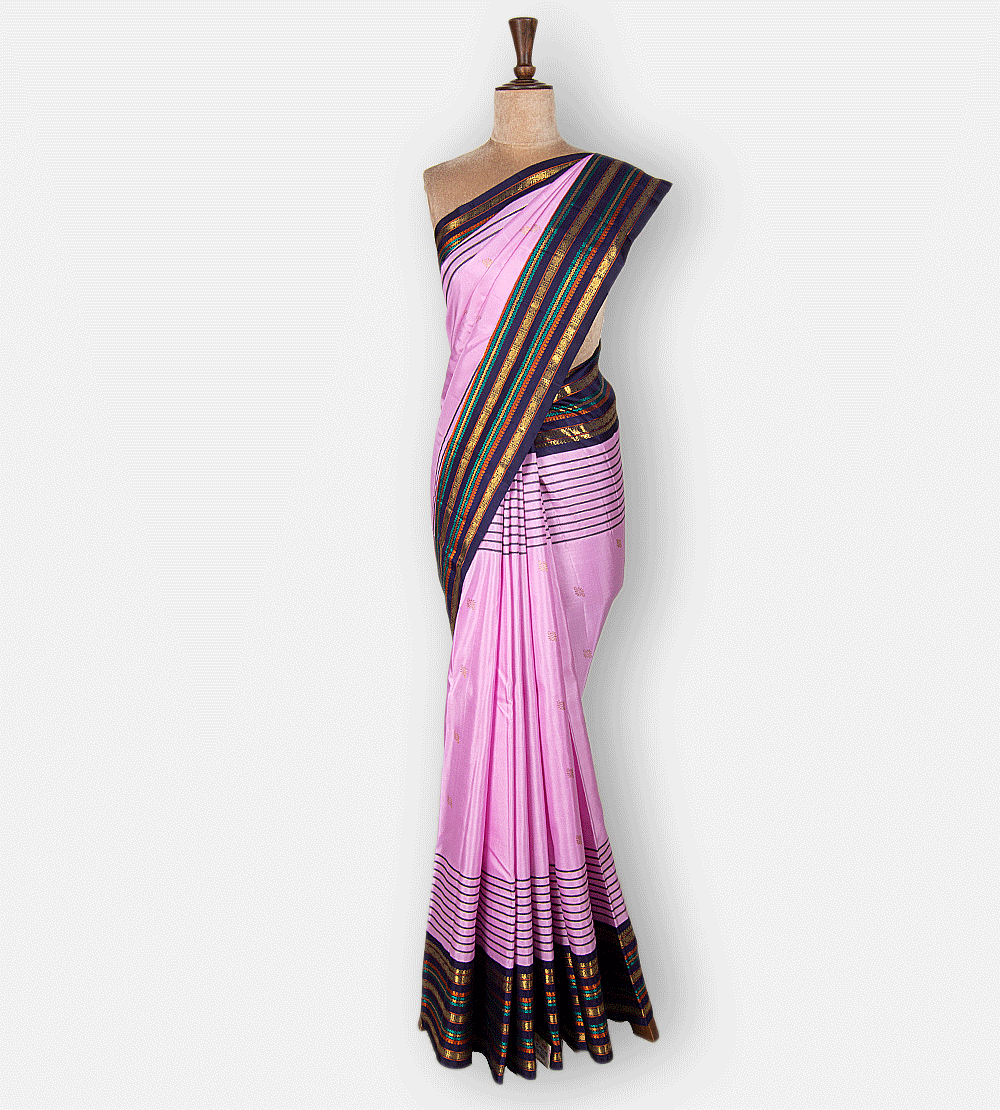
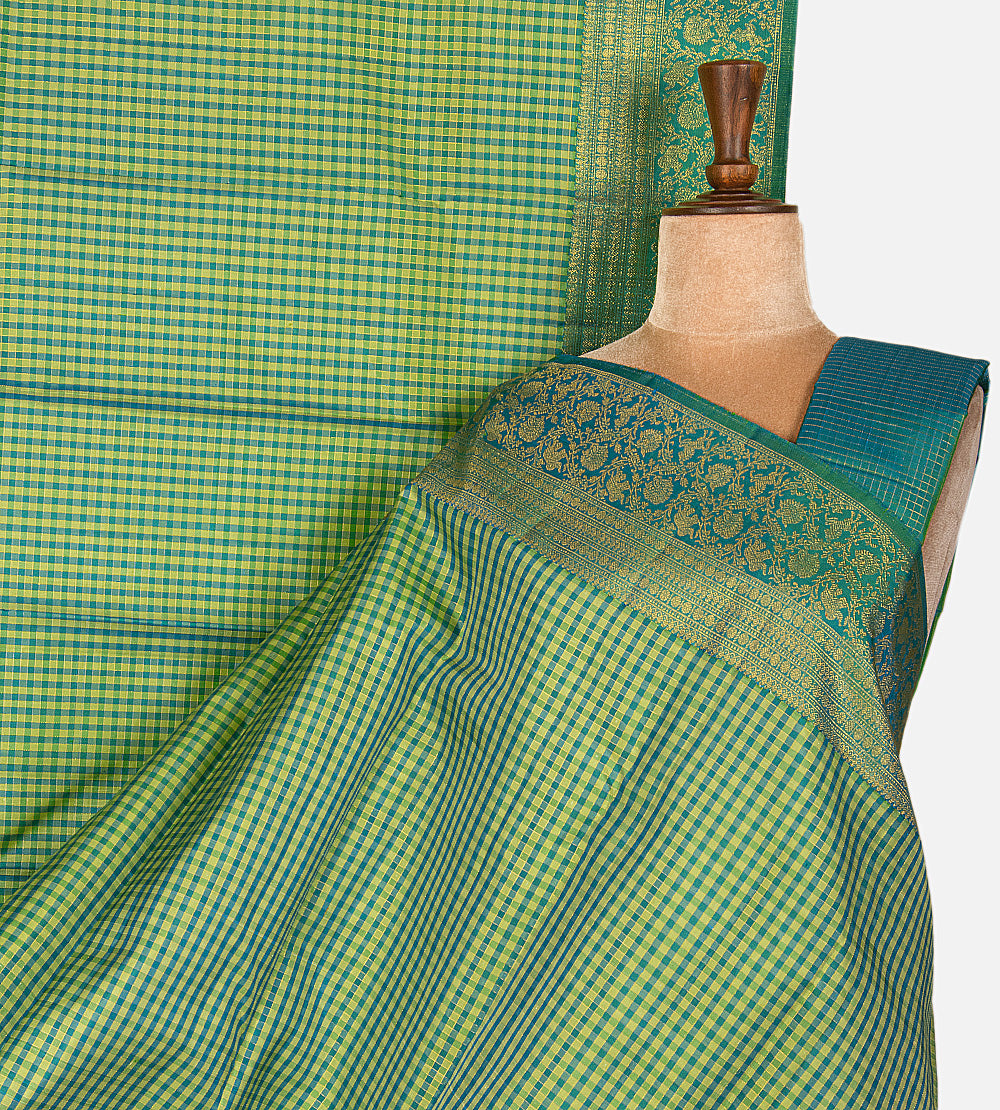
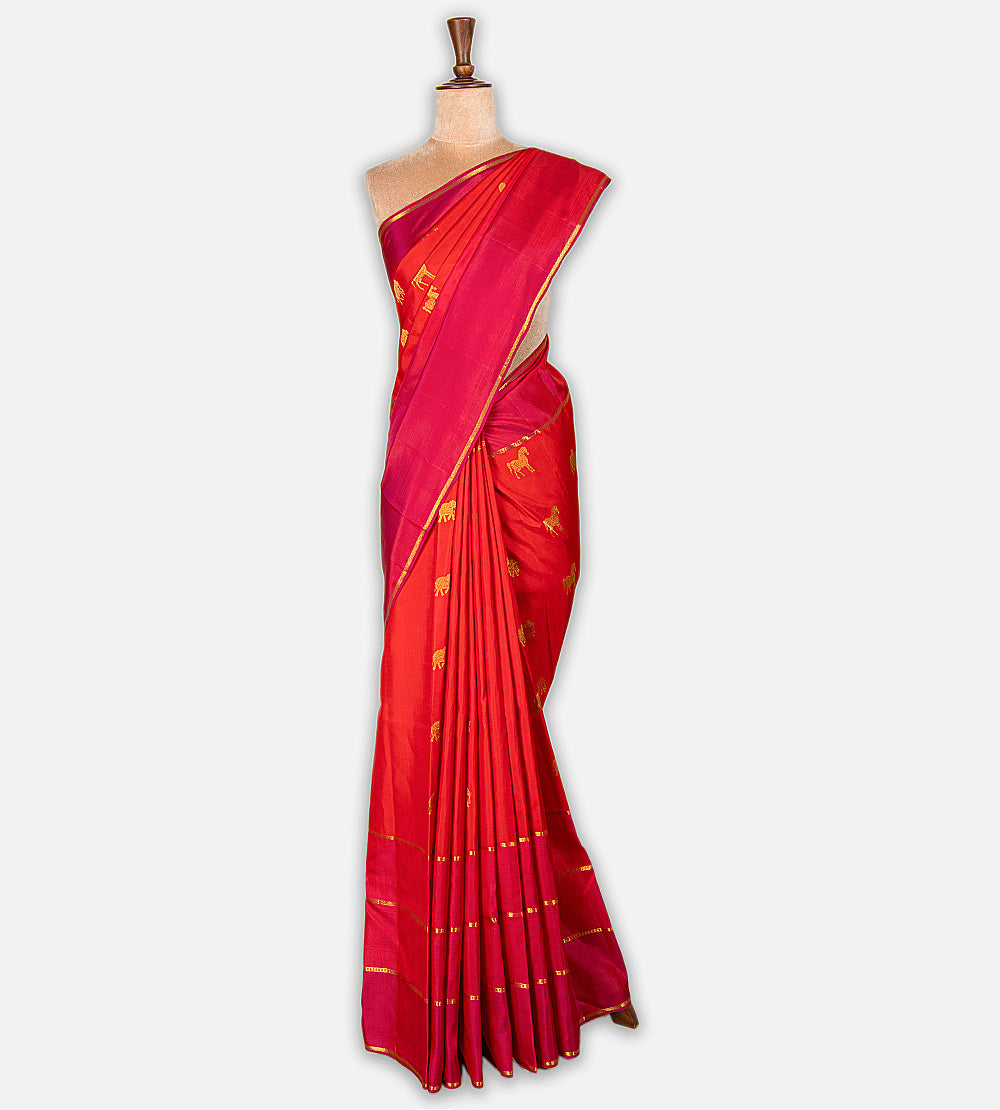
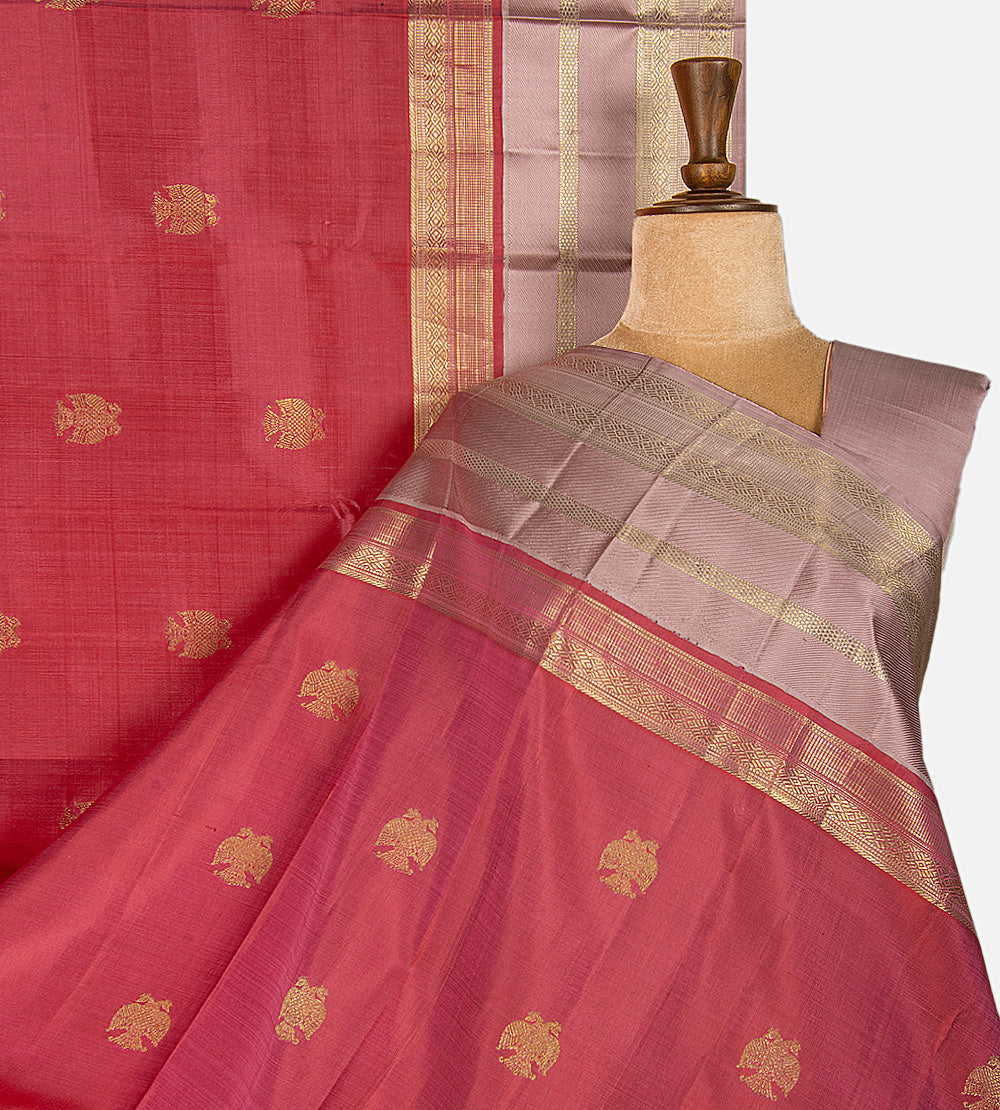
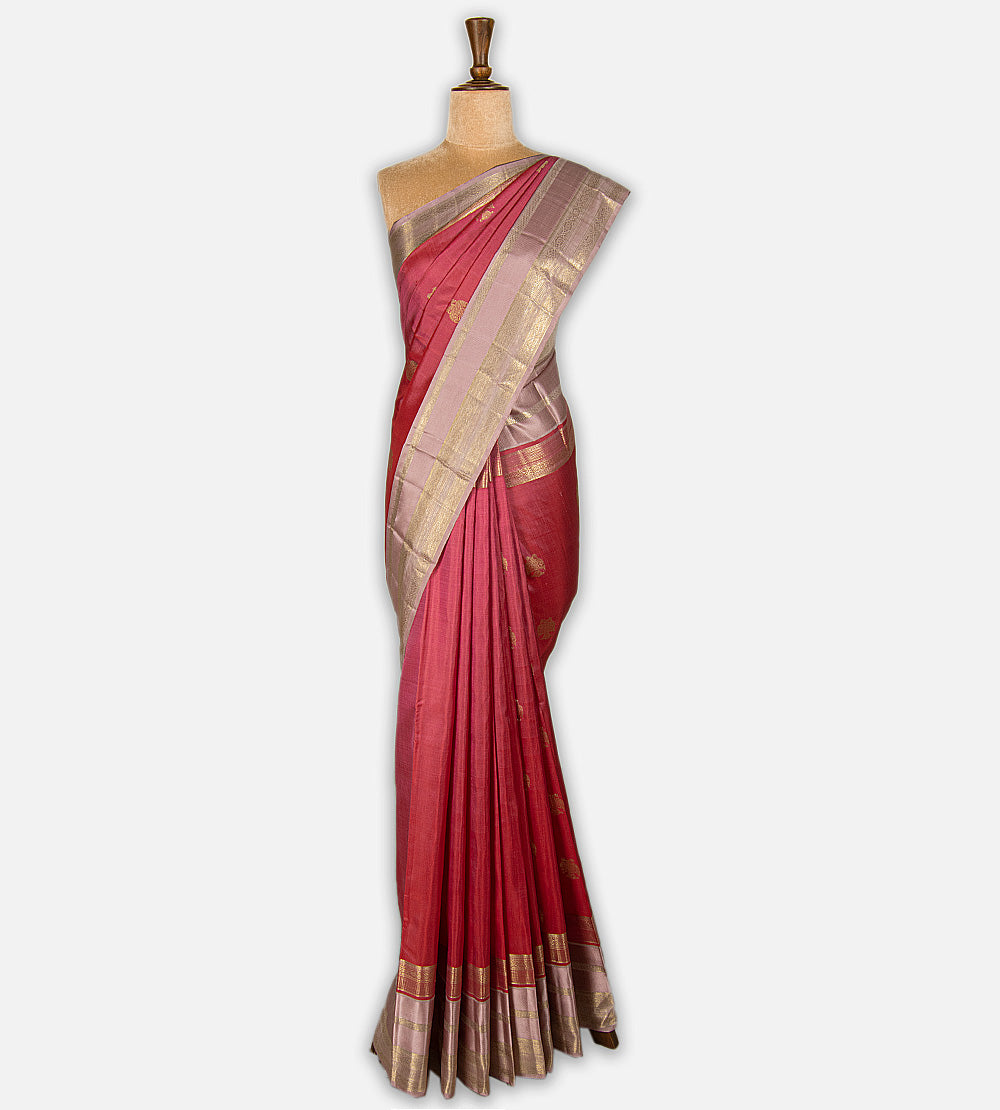
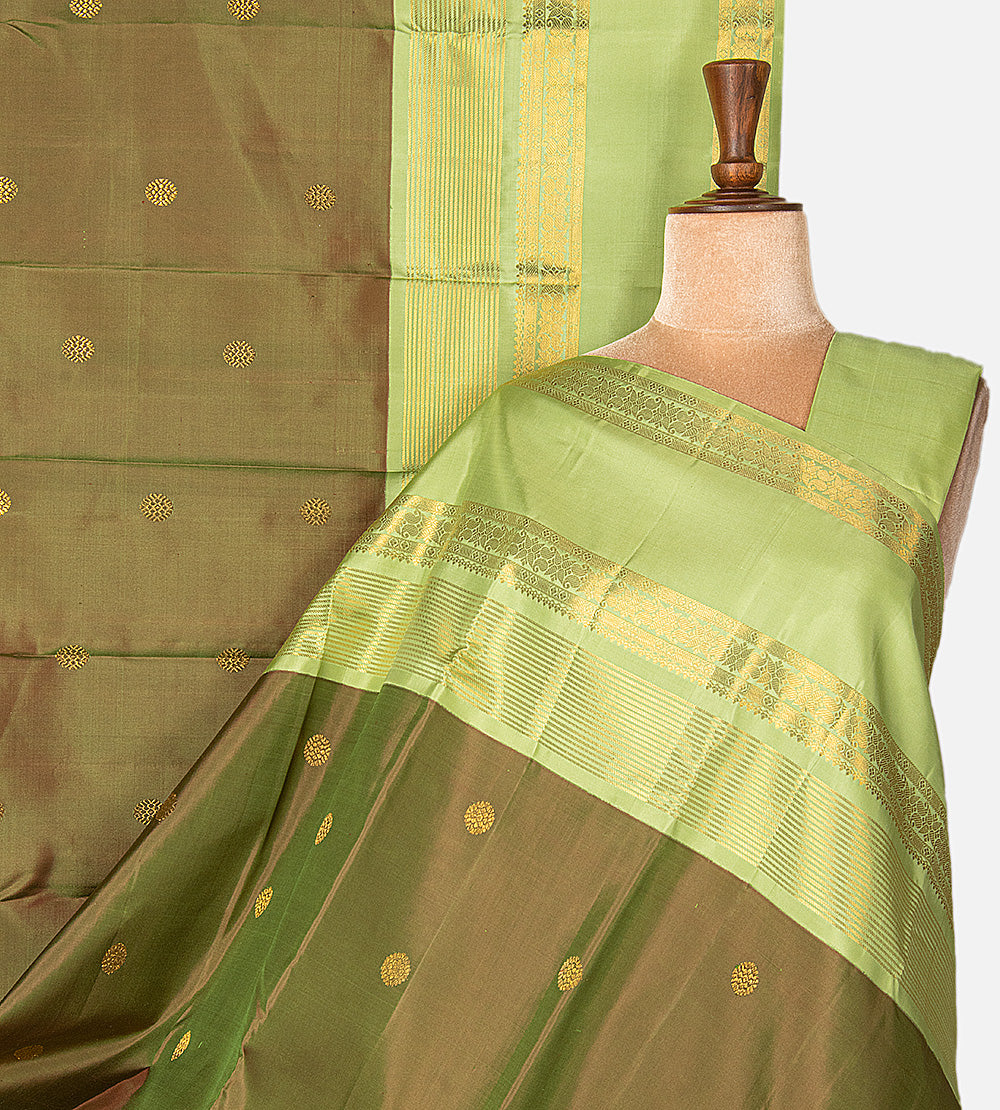
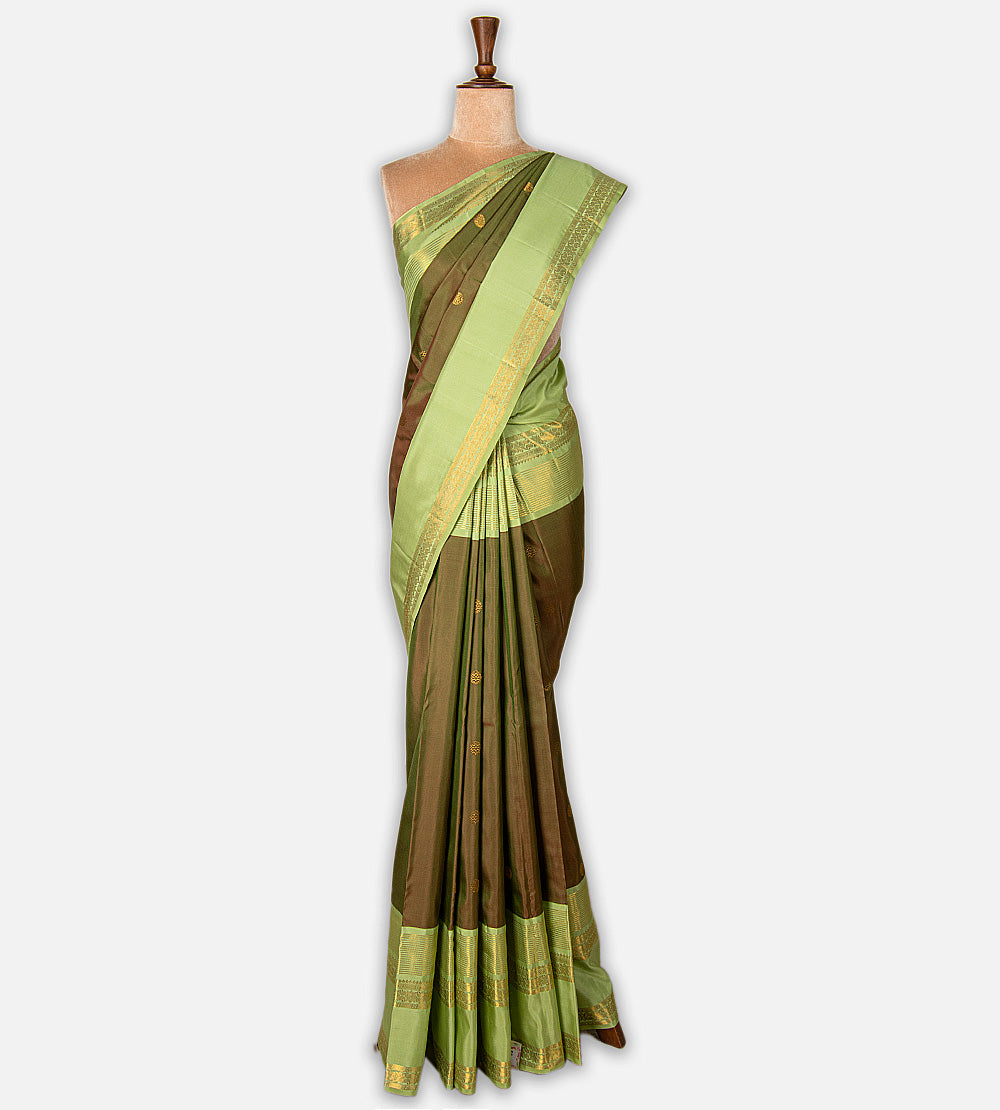
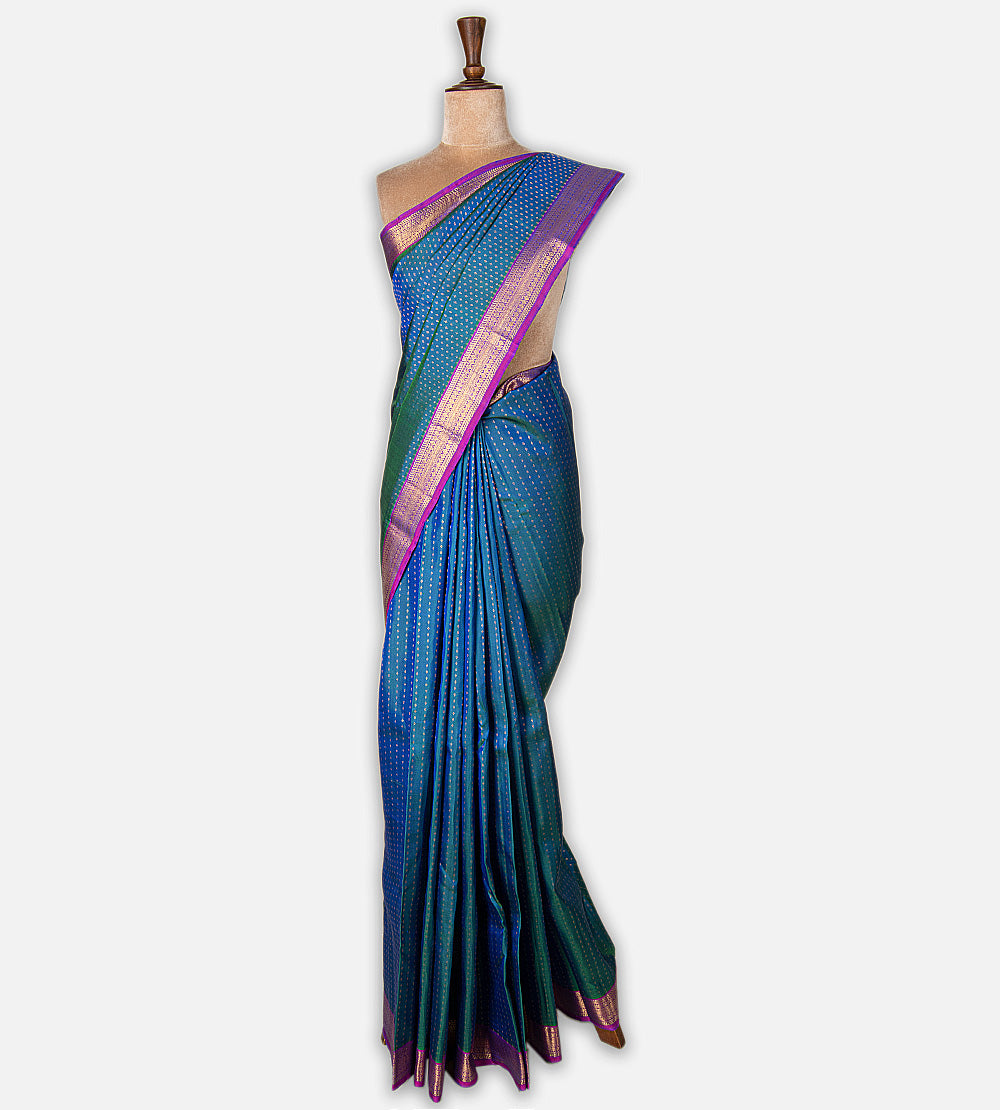
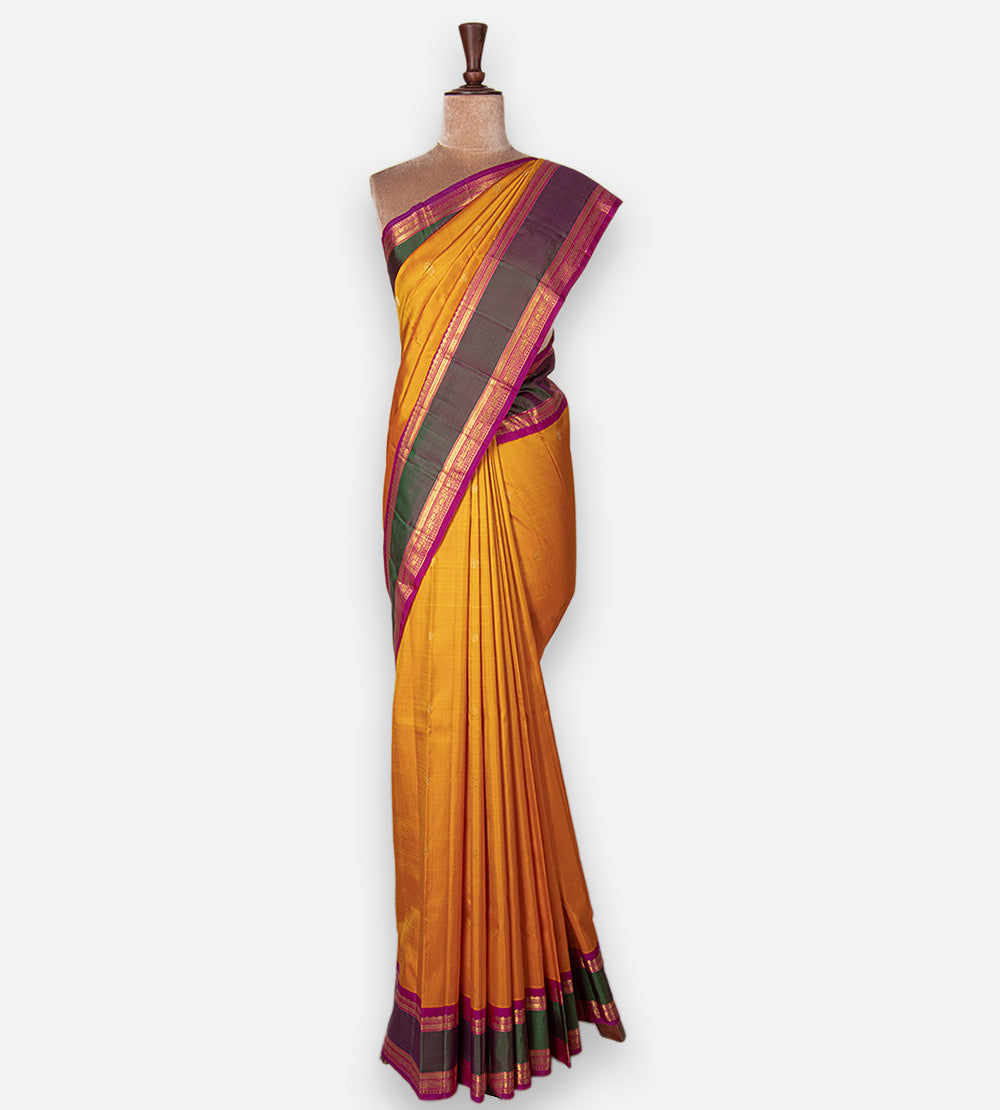
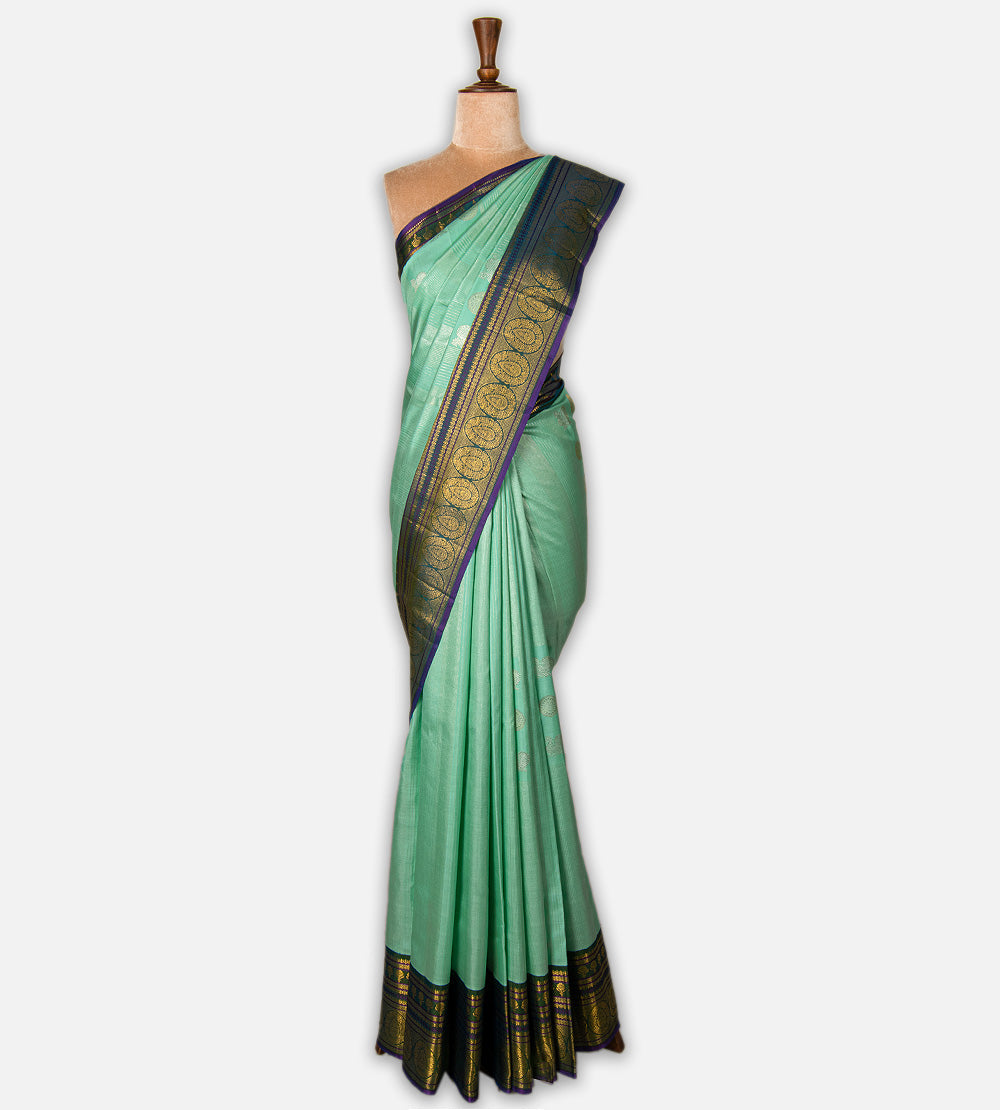
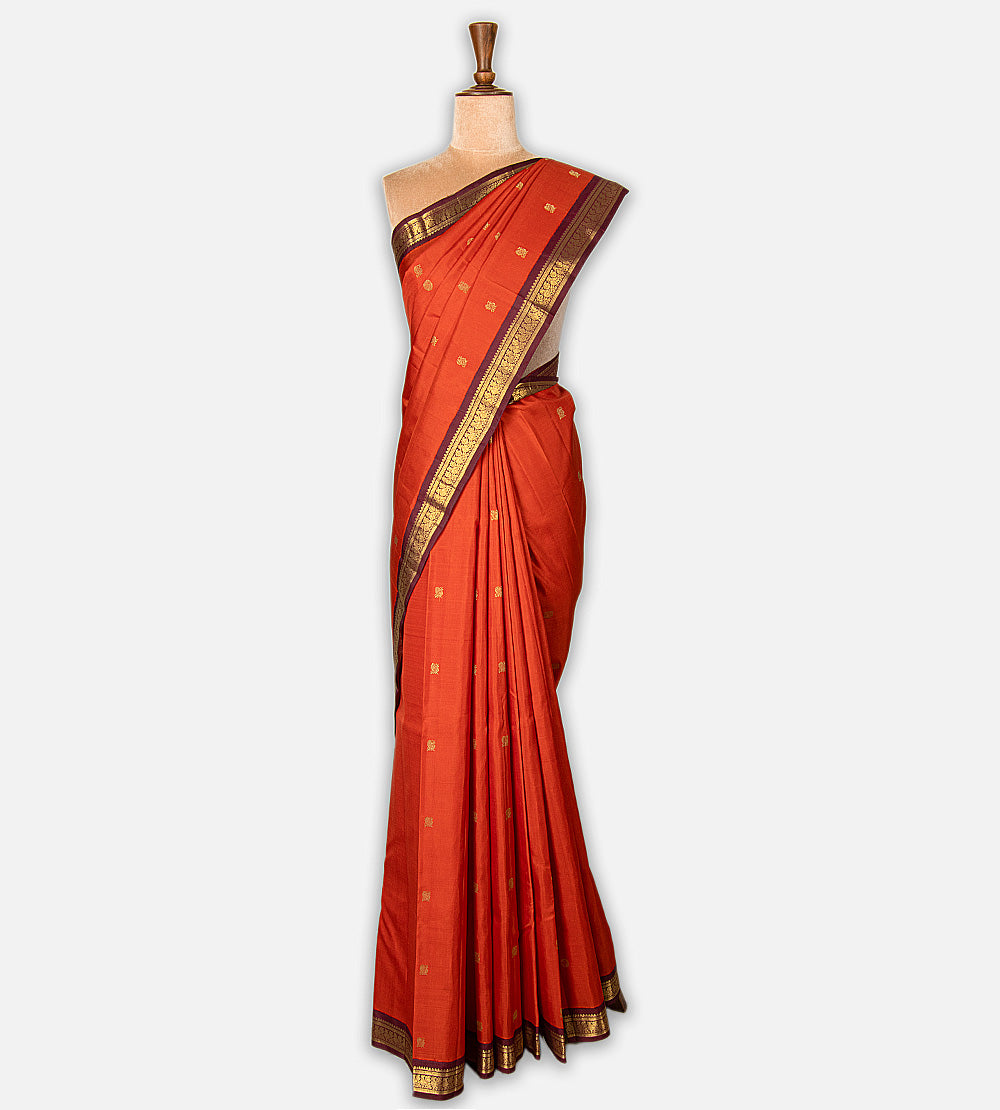
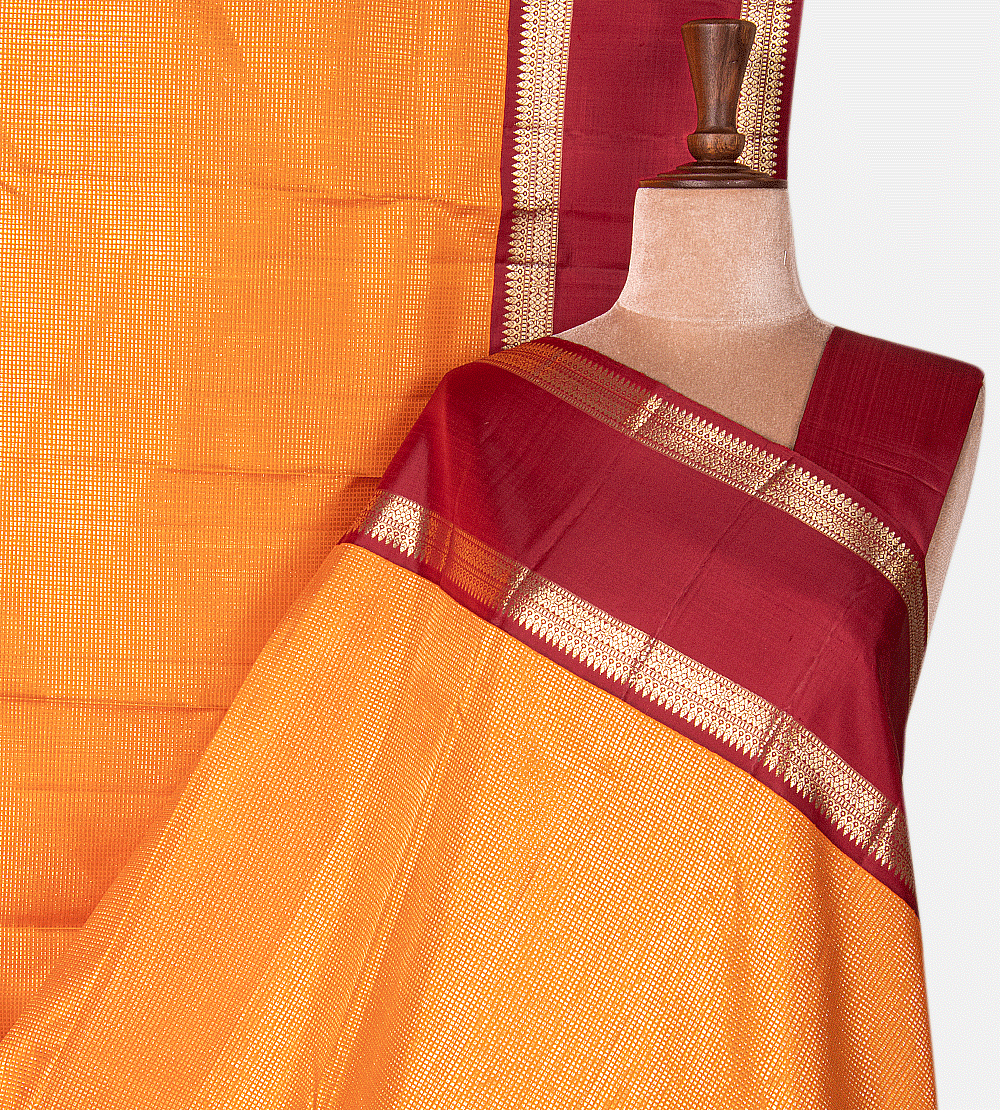
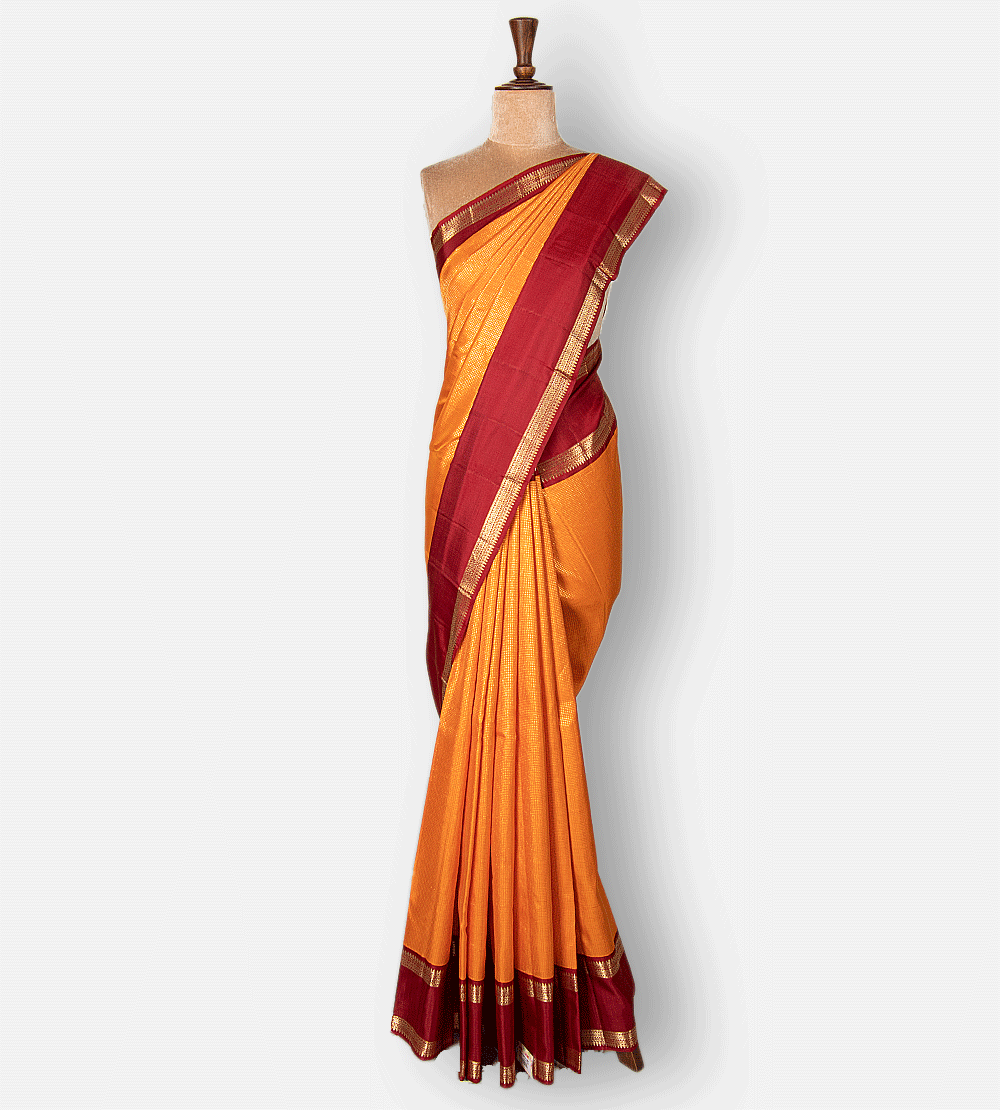
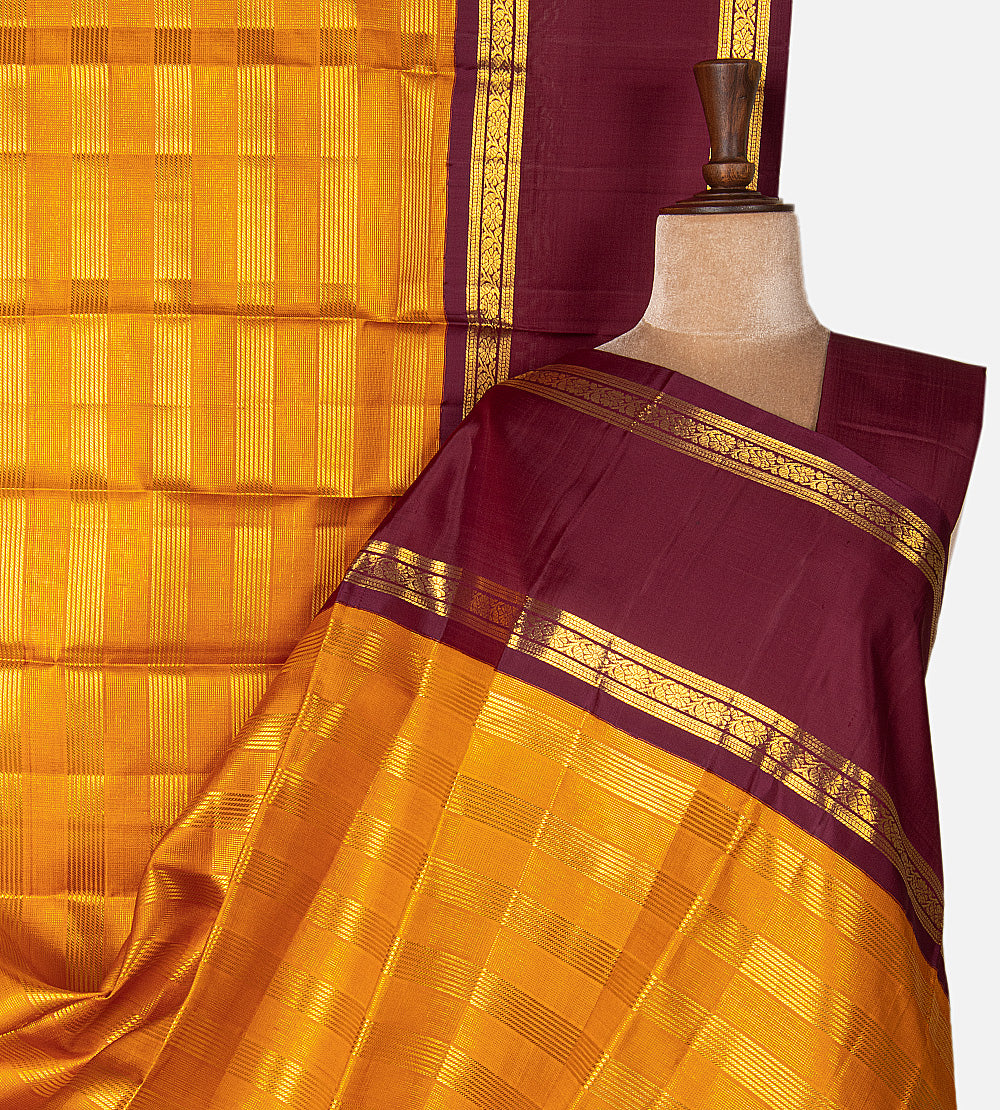
A Korvai Kanjivaram saree is defined by the way its border is joined to the body of the fabric. Instead of adding the border on separately, weavers work it right into the saree as they go, so the two sections lock together without any stitching or visible seam. The result is one of those korvai silk cotton sarees where the border and body colours sit right next to each other, crisp and clean almost like two fabrics fused into one.
This is what separates a genuine korvai pattu sarees from an ordinary contrast-border saree. The technique takes years to learn properly and it shows the moment you run your fingers along that seam.
Korvai Kanjivaram Sarees – A Legacy of Traditional Weaving
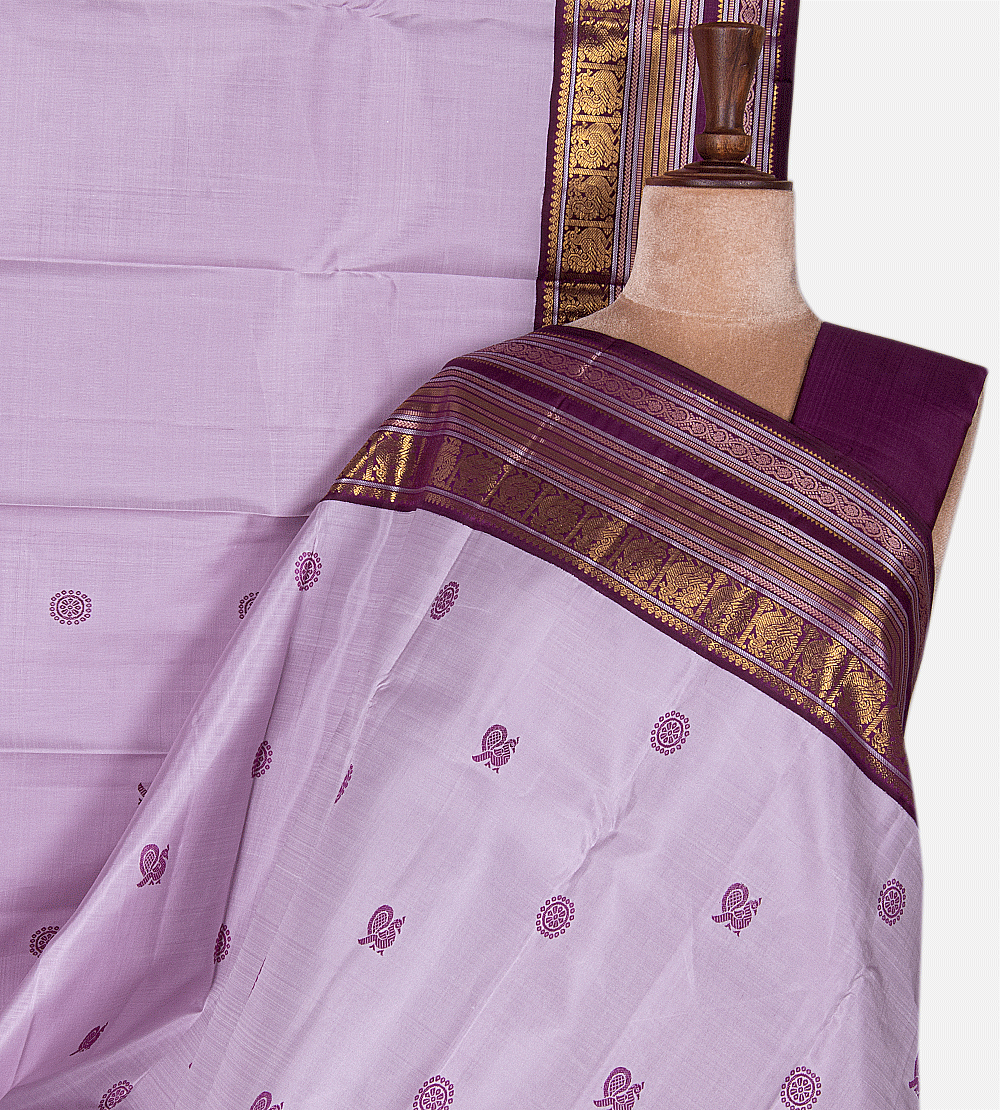
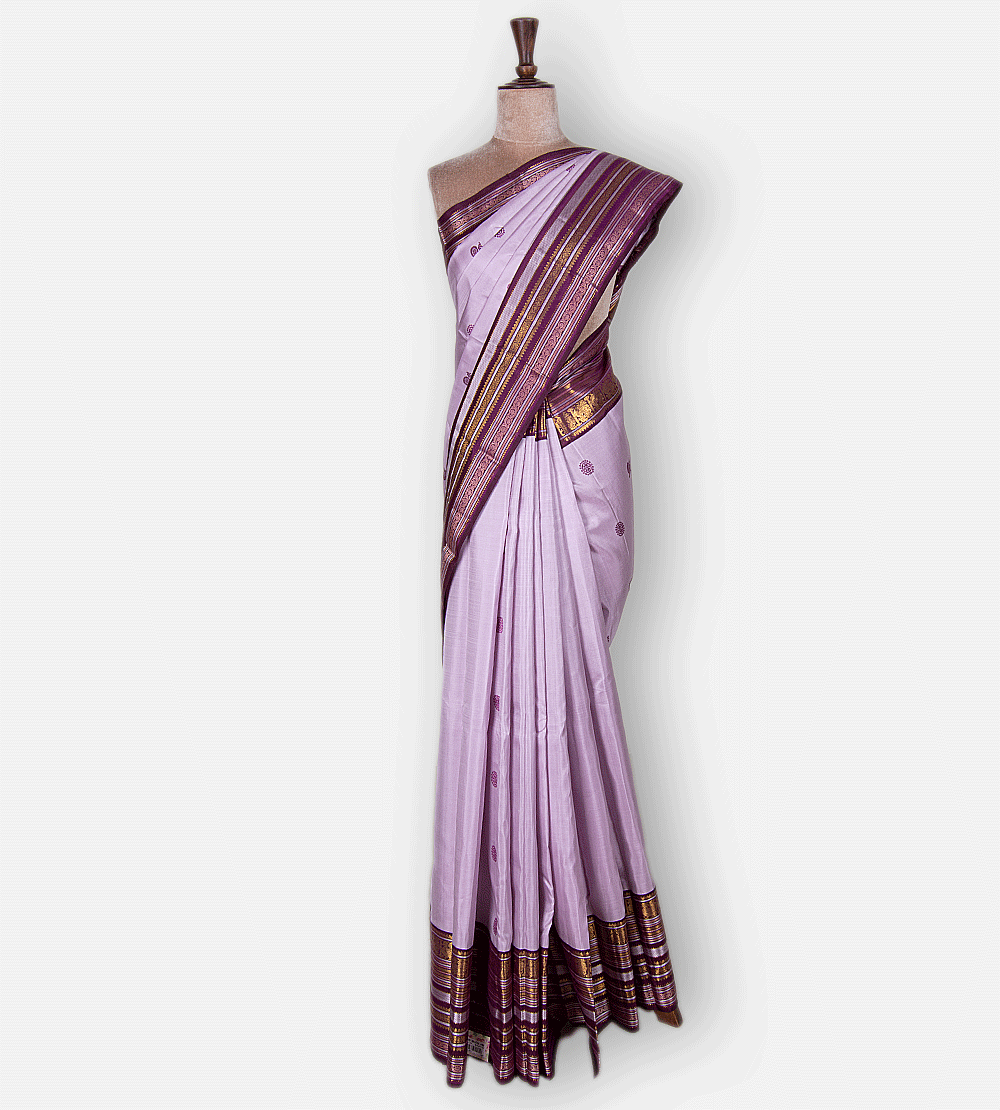
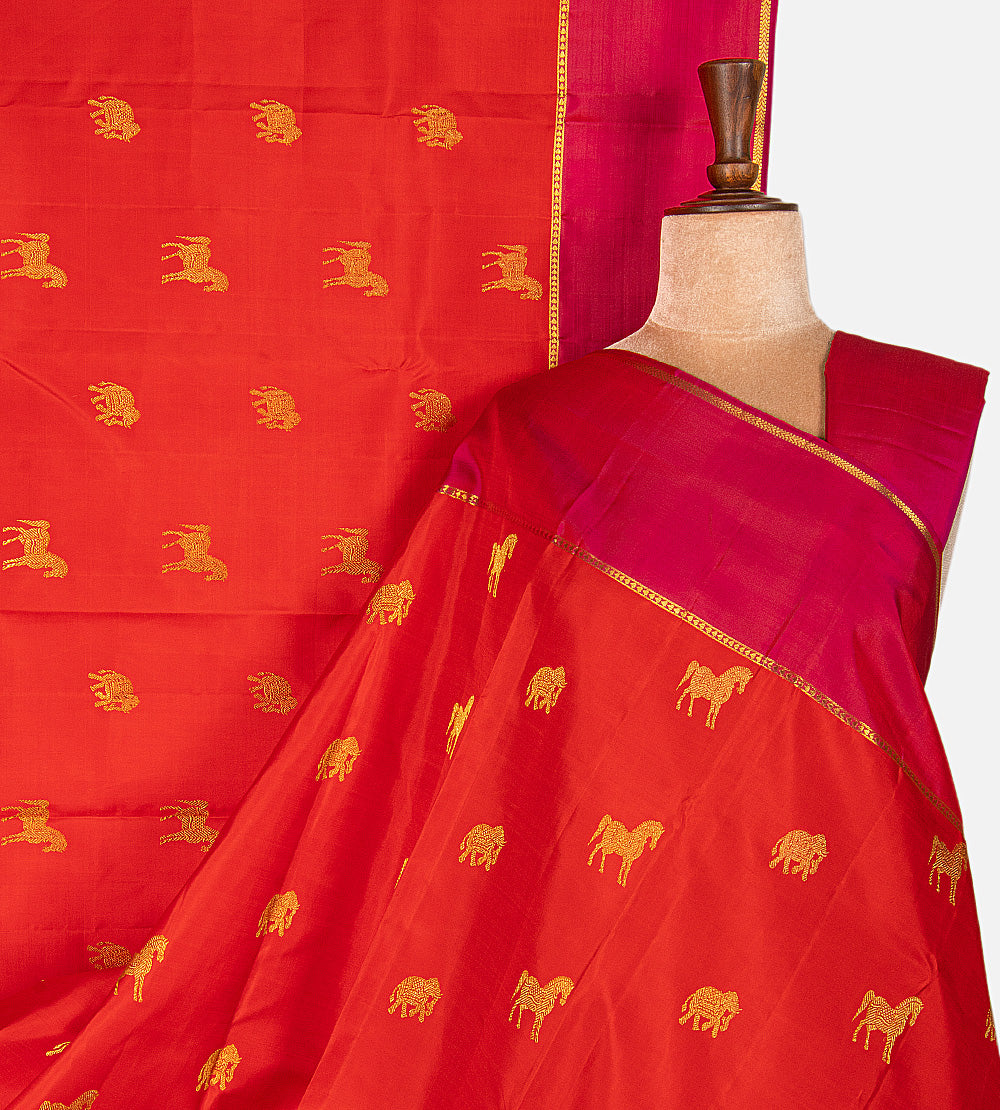
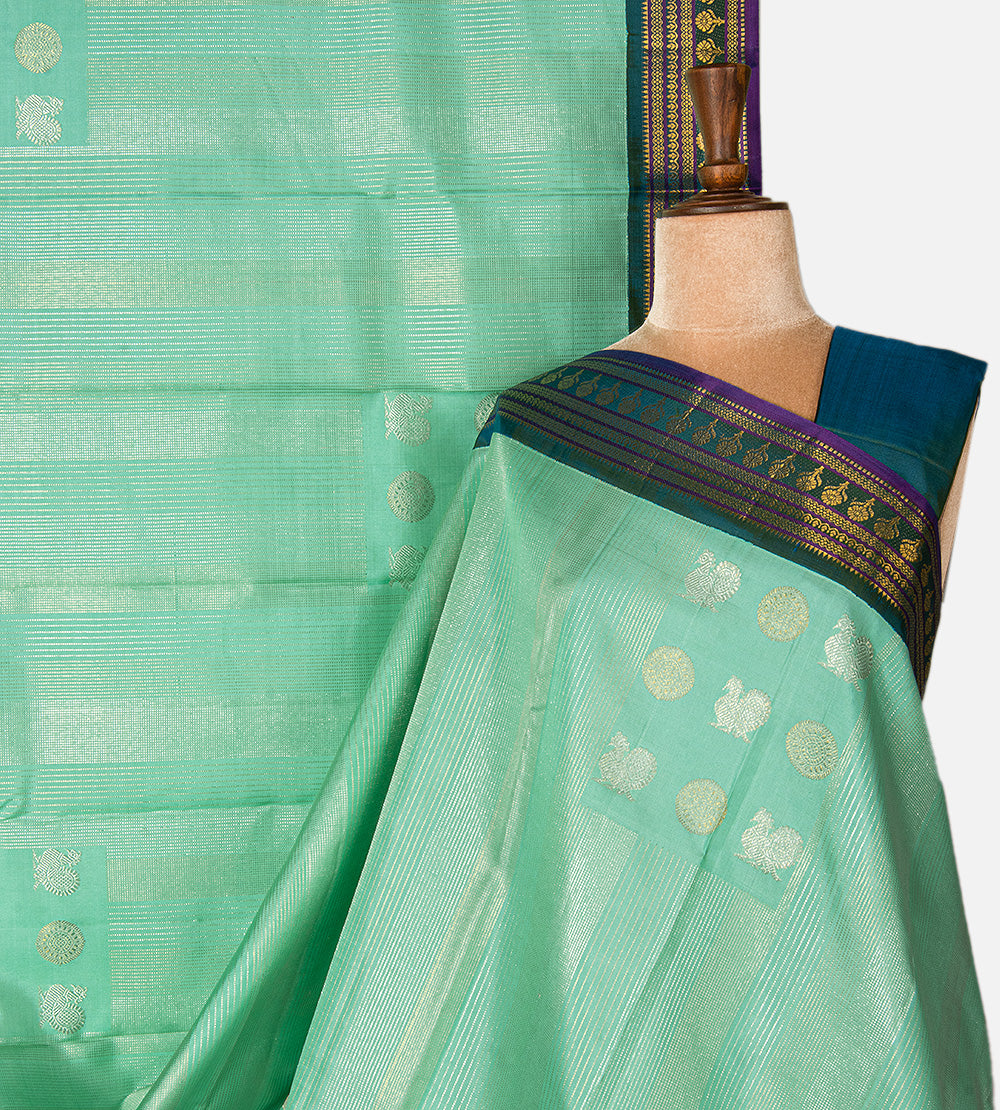
Kanchipuram's weavers have carried this craft forward for generations, passing it down within families rather than teaching it as a trade that anyone can pick up quickly. Korvai pattu sarees grew out of temple traditions, where the border often carried motifs associated with prosperity and auspiciousness, elephants, peacocks, temple spires, checks borrowed from woven mats.
Over time, these sarees moved from temple offerings into everyday South Indian life, worn at weddings, poojas and festivals, and eventually into wardrobes far outside Tamil Nadu. What hasn't changed is the weaving itself. Traditional korvai silk cotton sarees made using the korvai method are still hand-loomed, still slow, and valued because they can't be rushed.
The Art of Weaving Korvai Kanchipuram Silk Sarees
The Three-Shuttle Korvai Weaving Technique
Korvai weaving uses three shuttles at a time, one for the body and one for each side border. Each carries its own colour and its own silk thread, moving across the width of the saree in its own rhythm. It's not something one person can manage alone. Two weavers sit at the same loom, working in step with each other, pass after pass, so the pattern comes out lined up and even.
This three-shuttle method allows korvai silk cotton sarees to carry a body in one shade and a border in an entirely different one, without the colours bleeding into each other or the fabric losing strength at the join.
Understanding the Korvai Border Joining Technique
The actual joining happens where the body threads and the border threads interlock, a process that requires precise timing from both weavers at the loom. Get it wrong, and the join looks loose or uneven. Get it right and you get that hallmark korvai finish, a border that looks stitched on but is in fact woven as one continuous piece of fabric.
This is also why korvai sarees online are priced differently from machine-finished alternatives. You're paying for hours of skilled handwork that simply can't be replicated by a power loom.
Types of Korvai Kanjivaram Sarees We Offer
Our collection covers a fairly wide range, so whether you want something classic or something with a bit more character, there's a Korvai pattu saree here for you.
Classic Korvai Kanjivaram Sarees
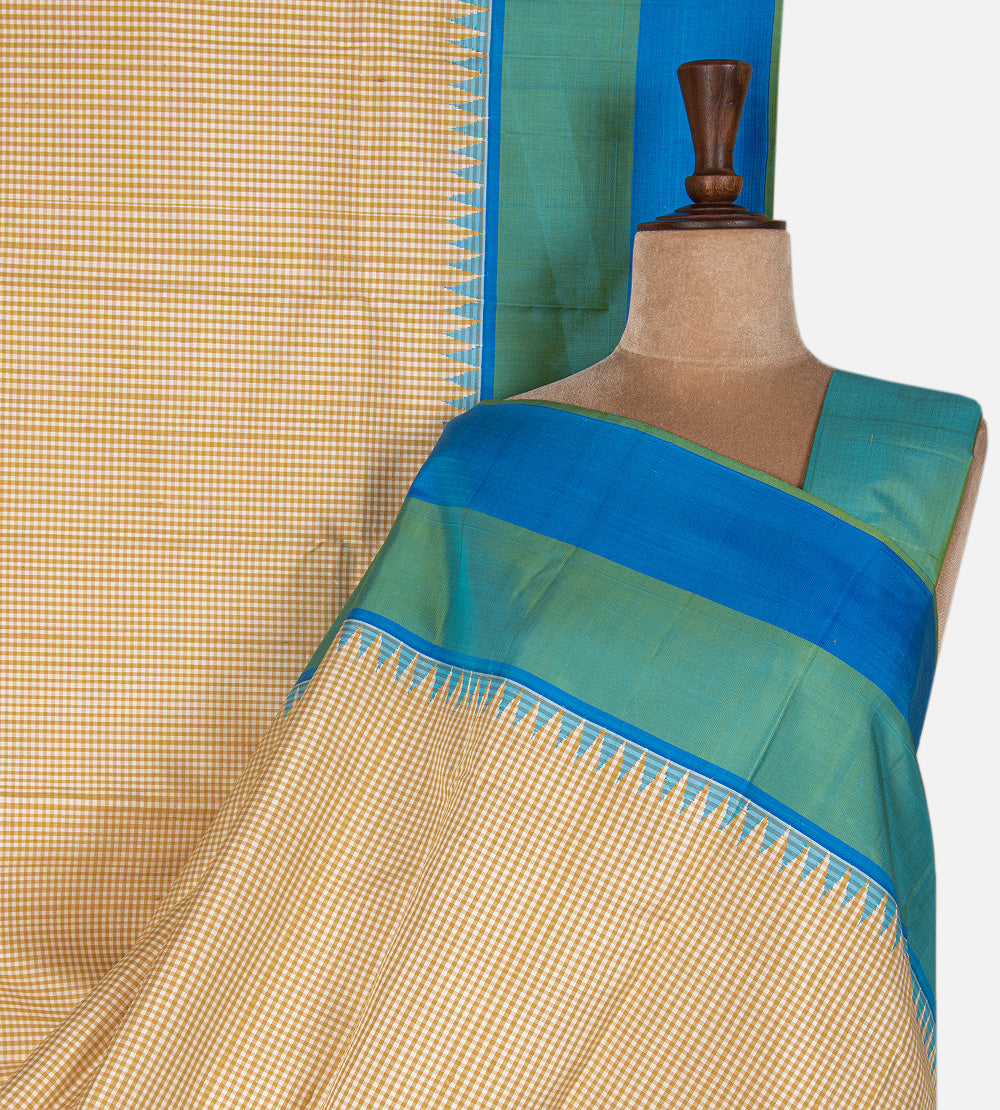
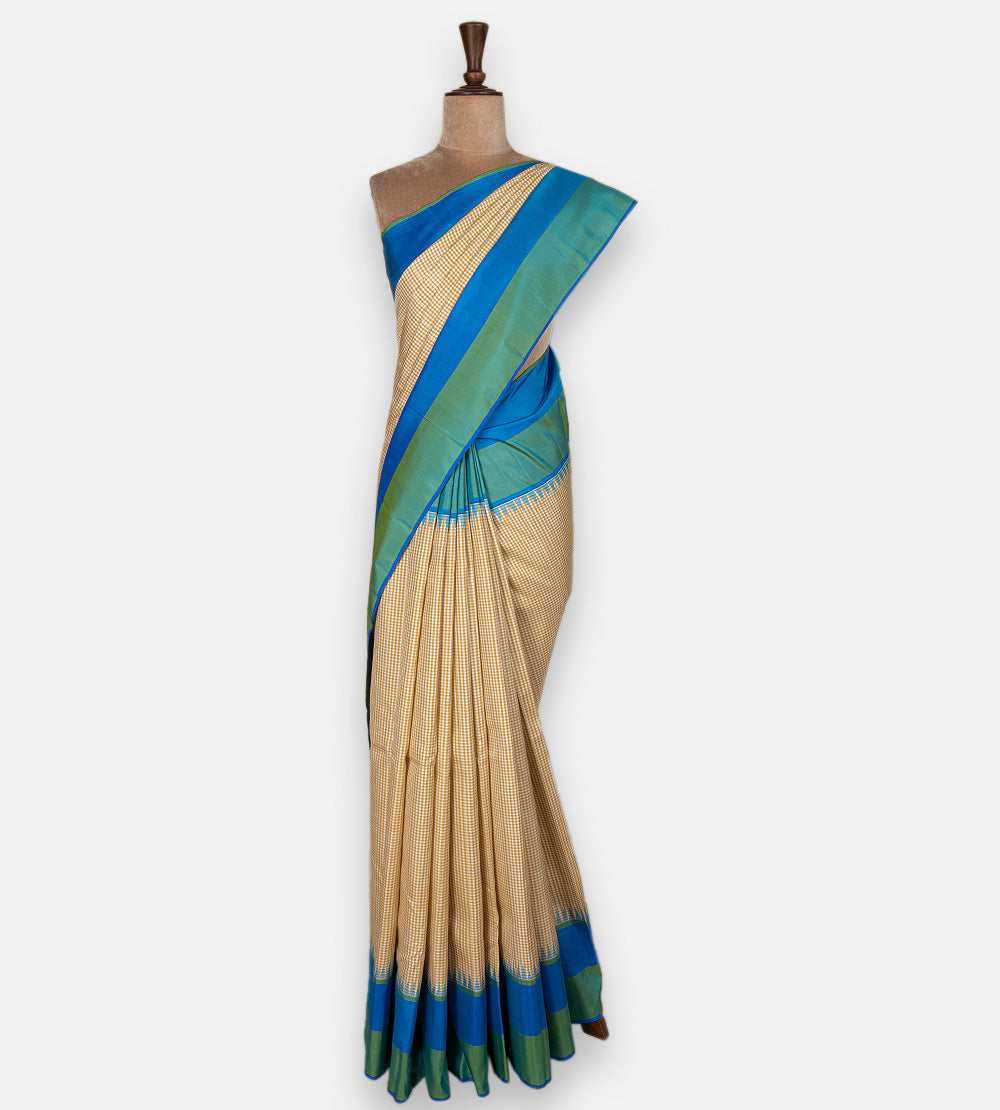
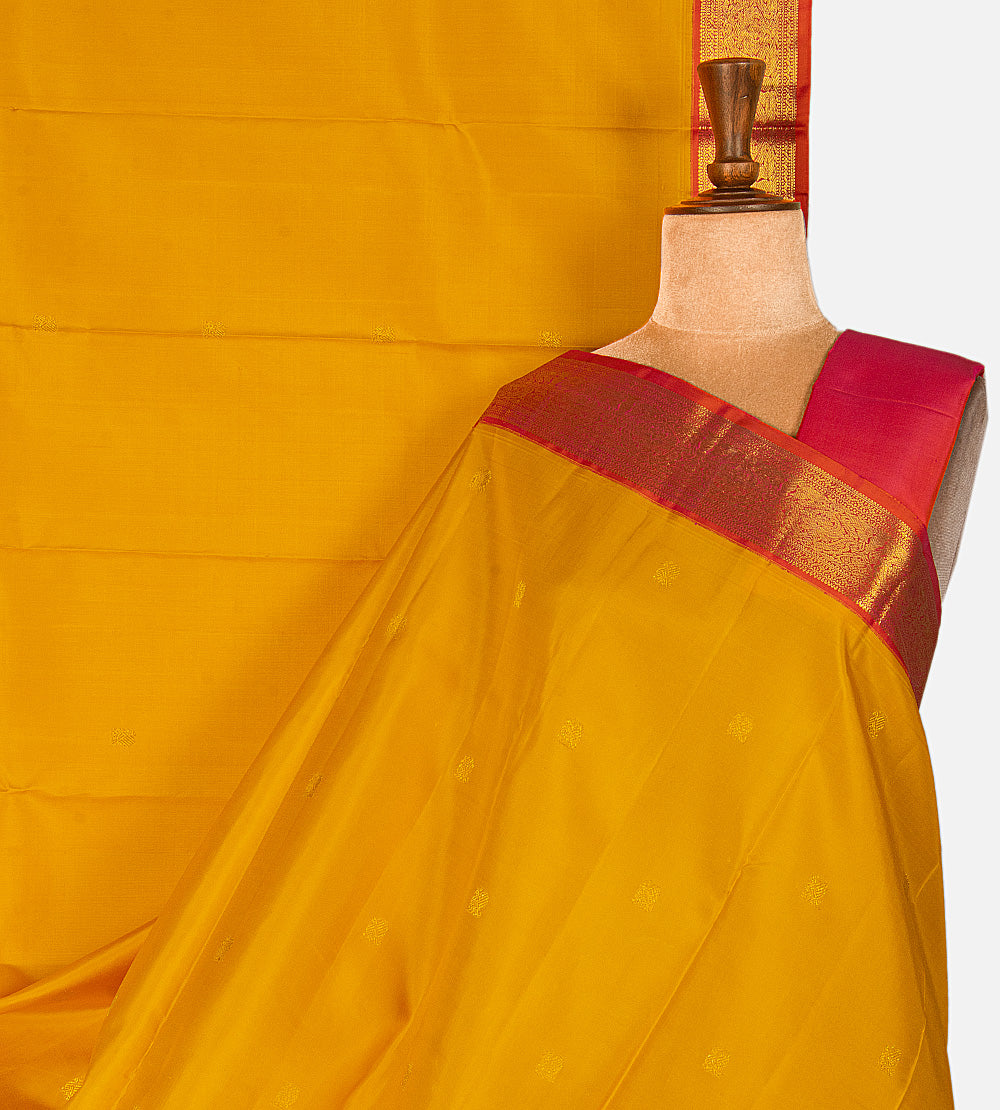
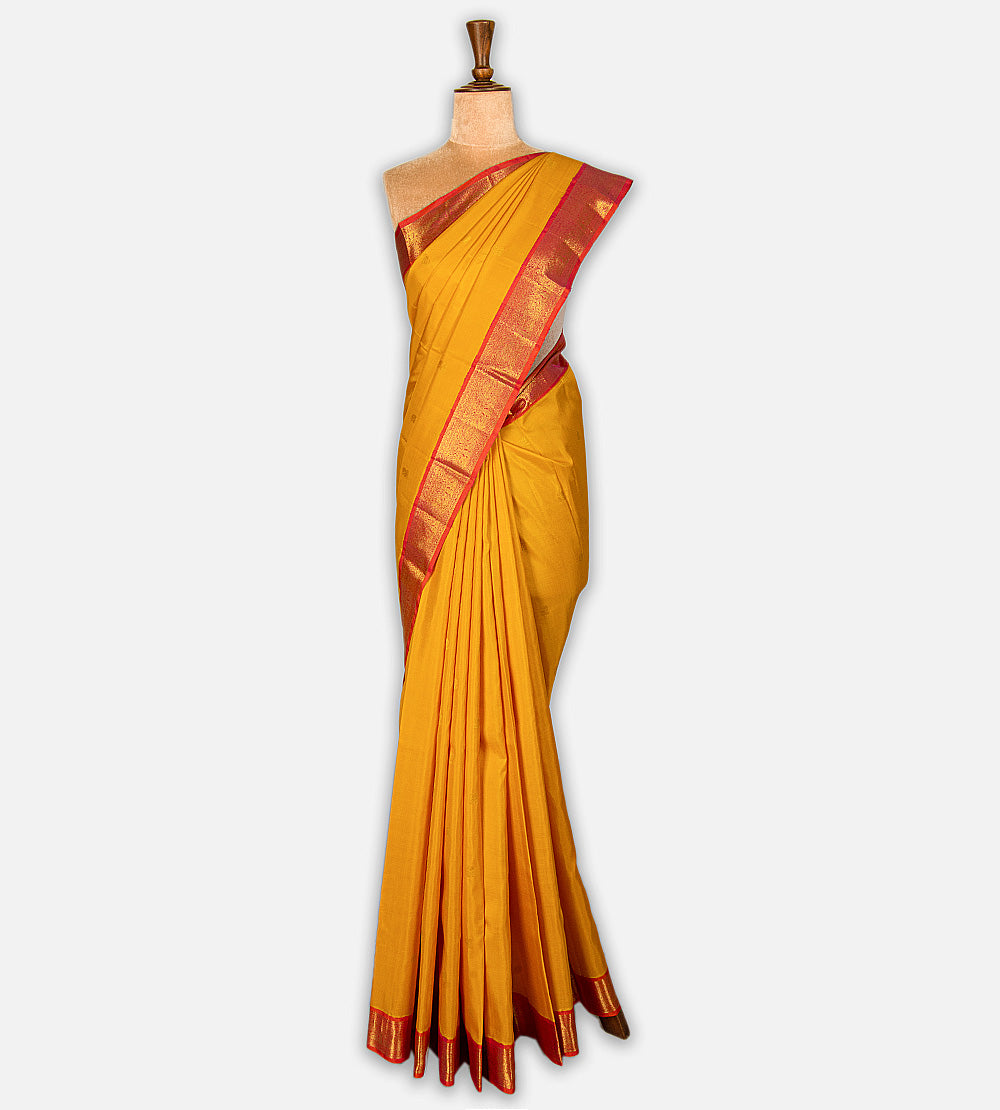
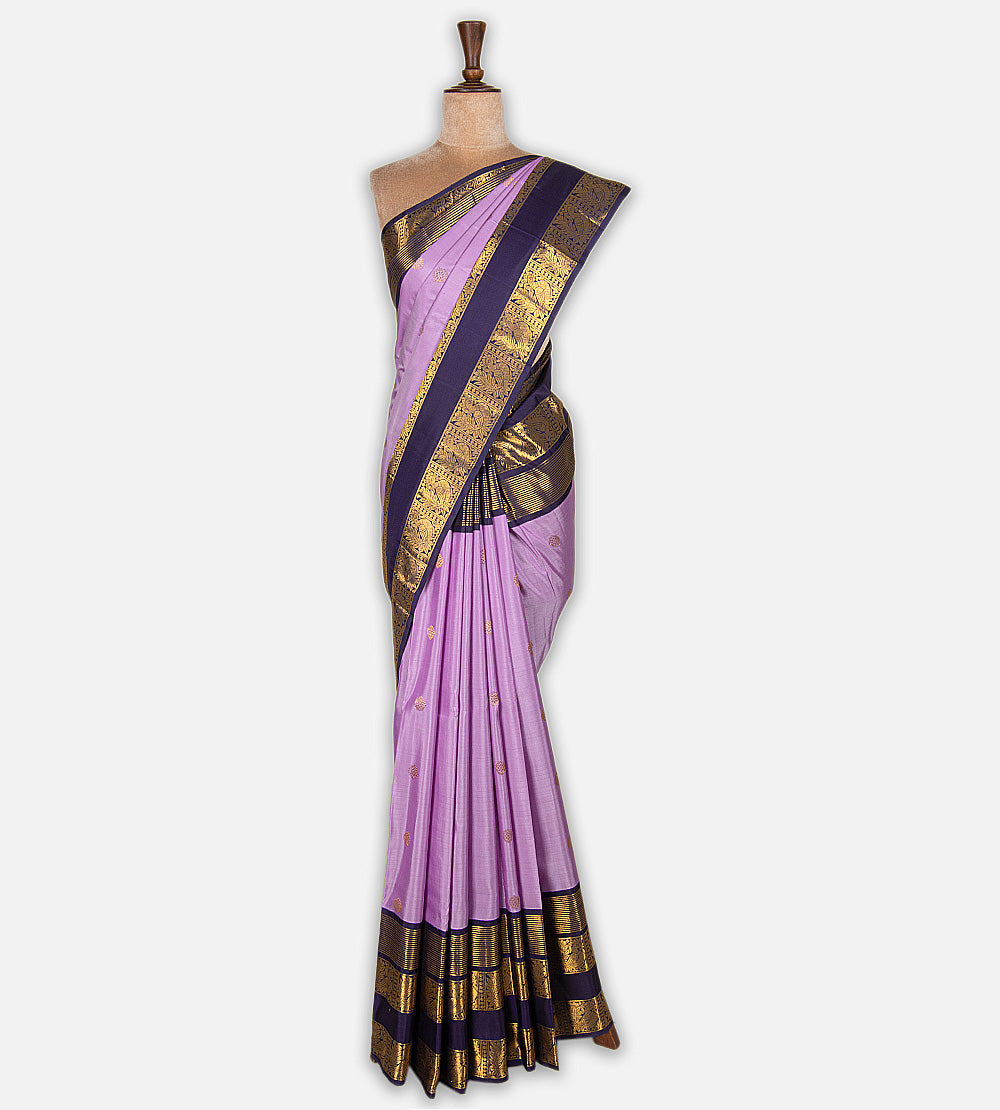
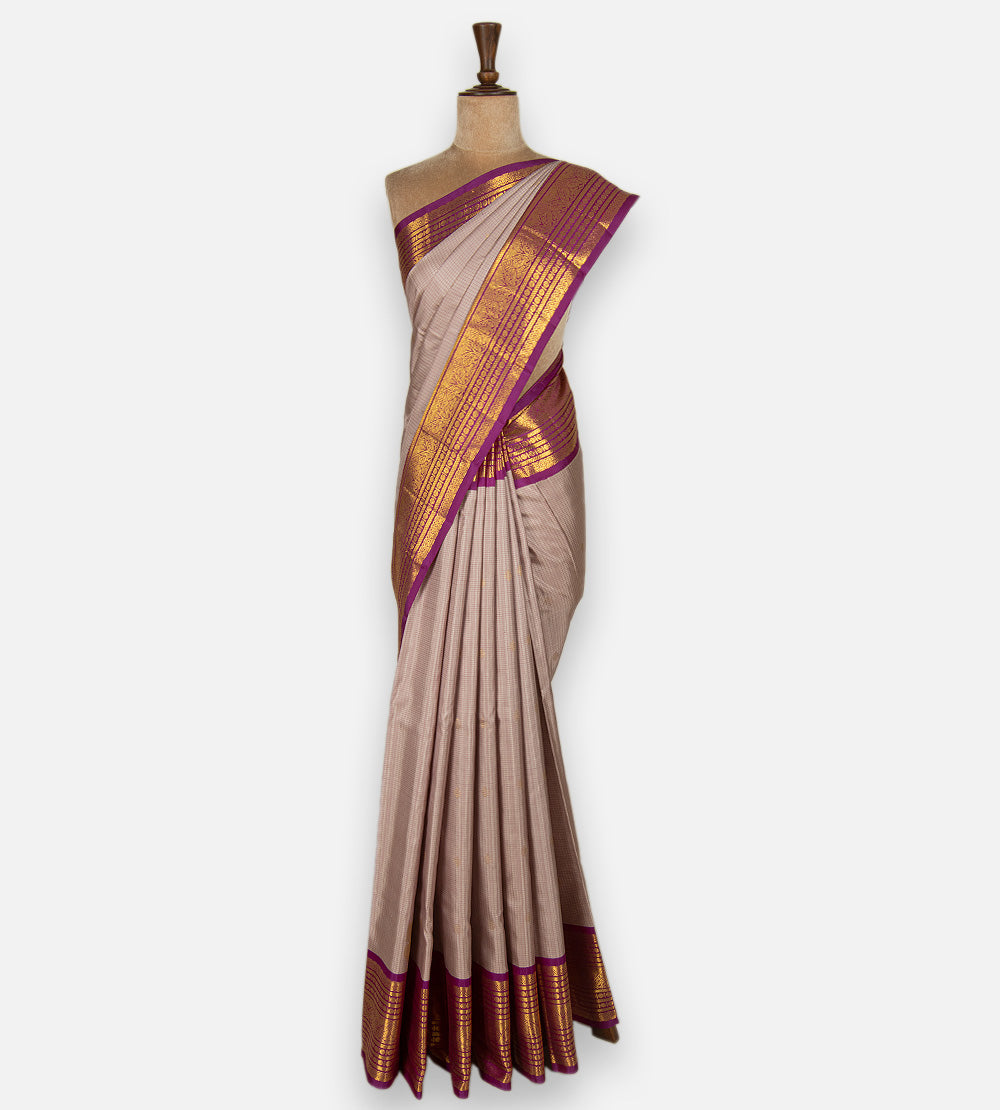
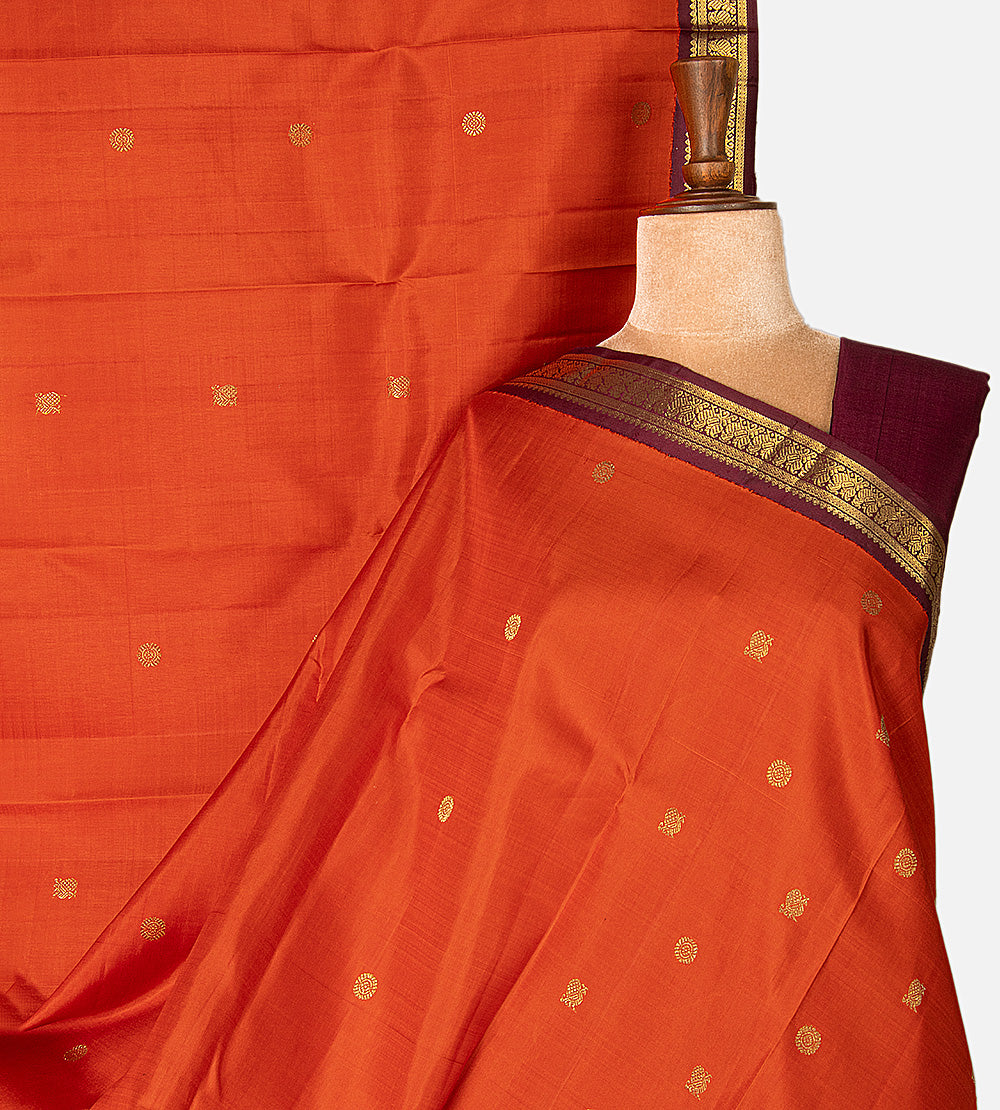
Korvai pattu sarees feature contrasting borders, rich pallus and traditional motifs. This is the version most people picture when they think of Korvai Kanjivaram sarees.
Temple Border Korvai Kanjivaram Sarees
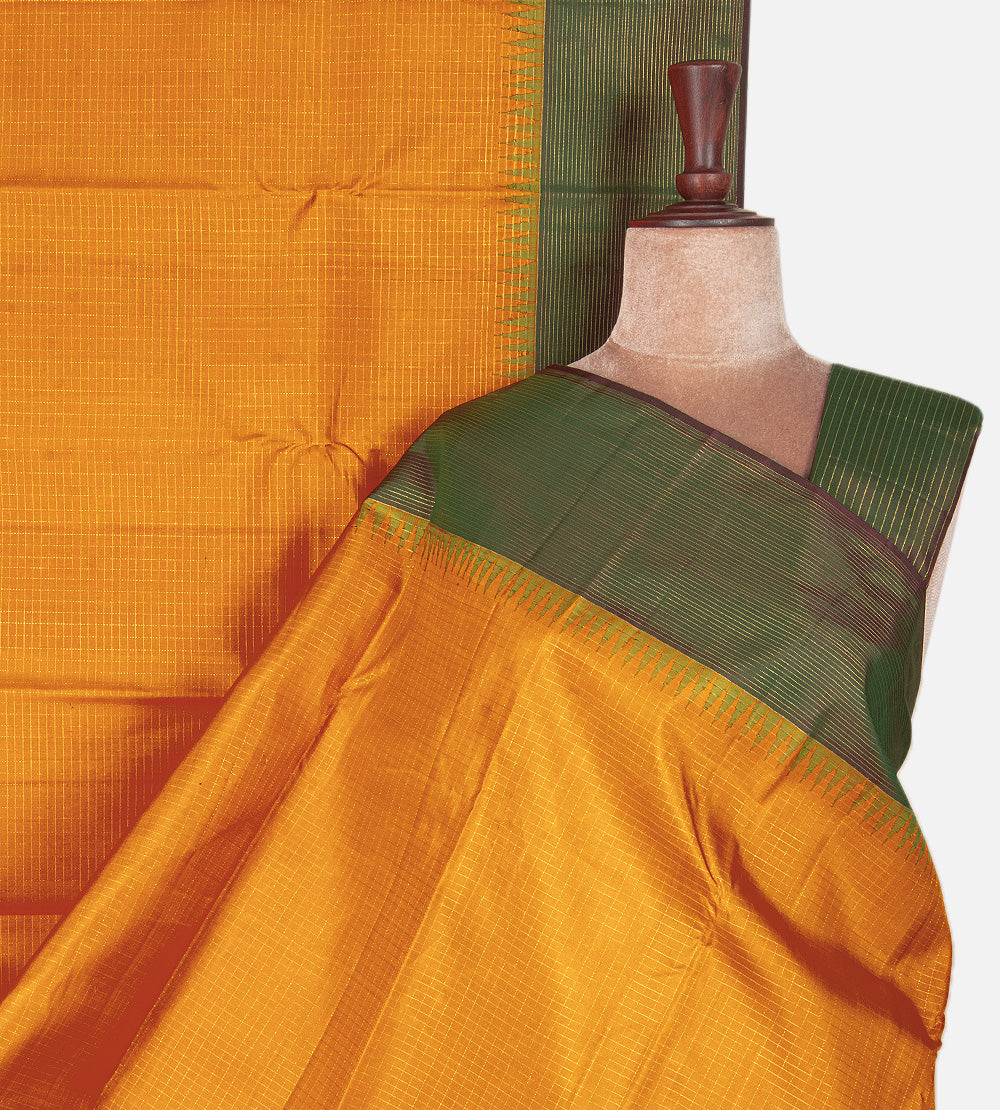
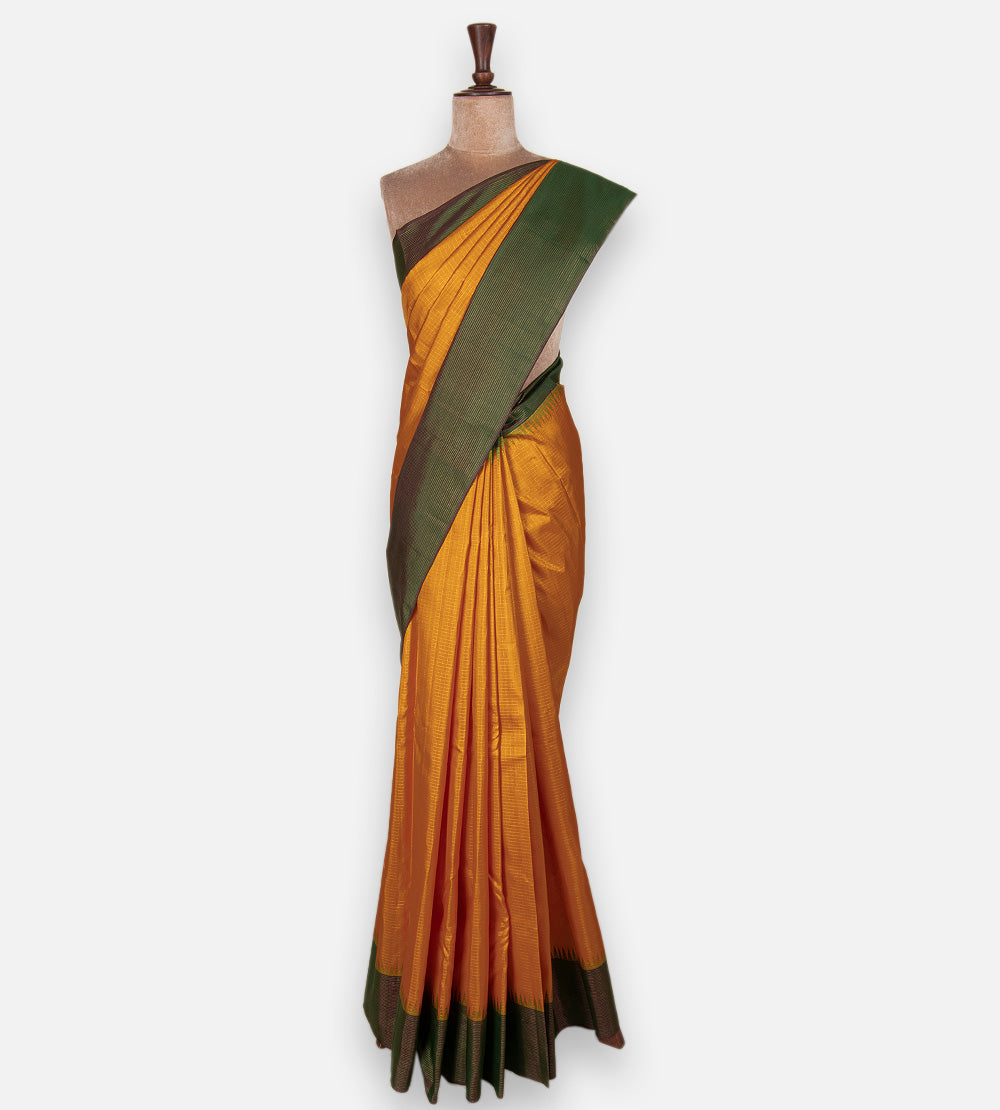
Named for the temple spire motifs woven along the border, these sarees carry a distinctly South Indian, almost sacred quality. They're a favourite for weddings and religious ceremonies where tradition matters as much as style.
Thazhamboo Reku Korvai Kanjivaram Sarees
Thazhamboo reku borders take their name from the pandanus flower, and the motif shows up as a delicate, repeating pattern along the edge. It's a softer, more intricate alternative to the bolder temple border designs.
Contrasting Colour Korvai Kanjivaram Sarees
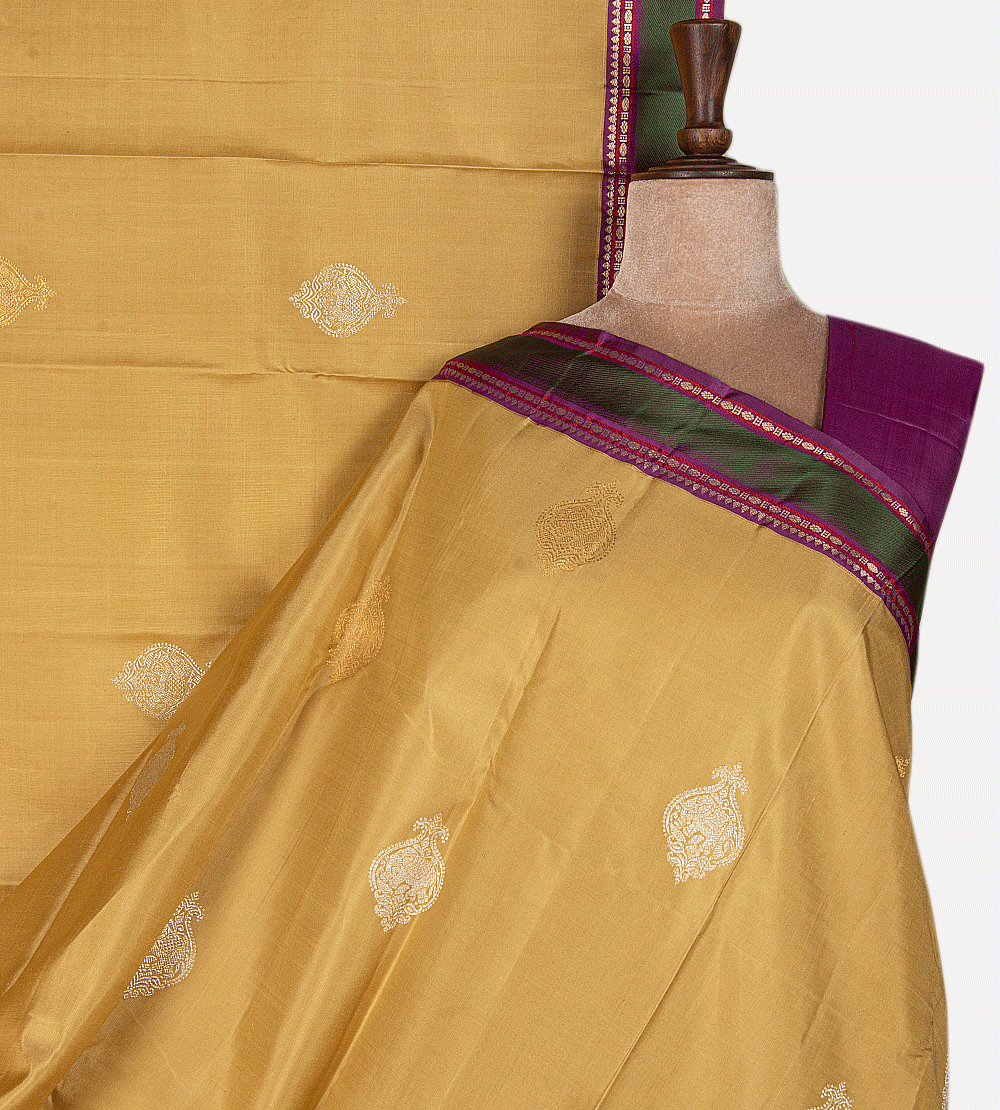
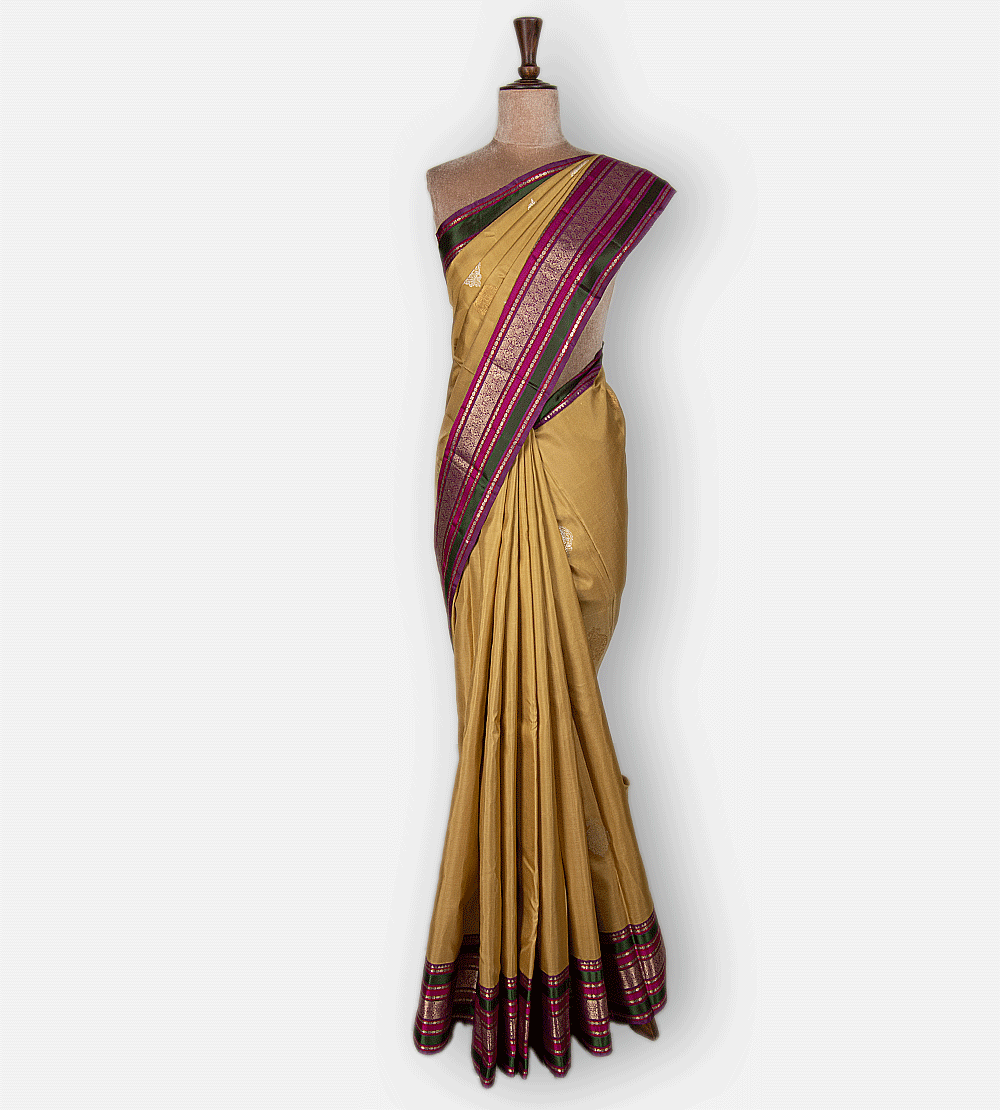
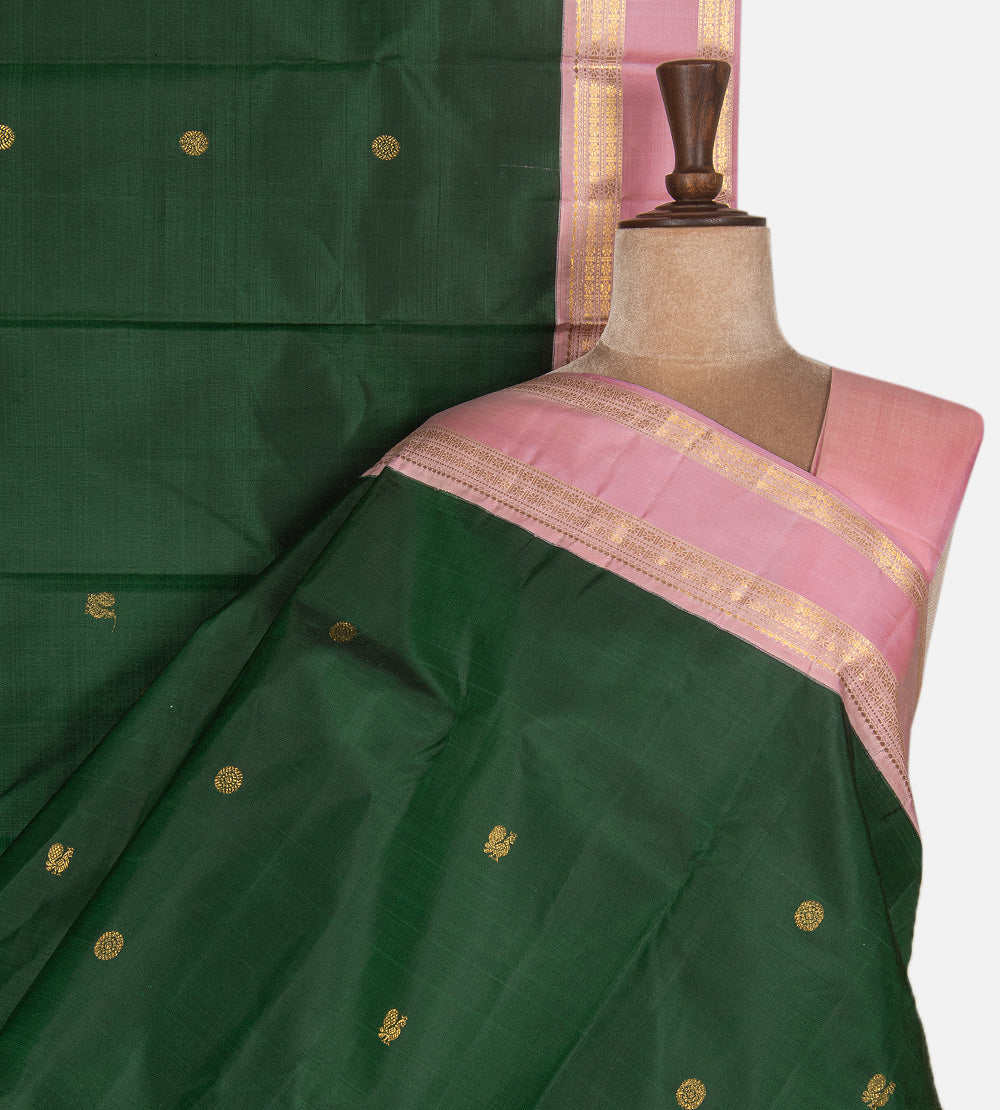
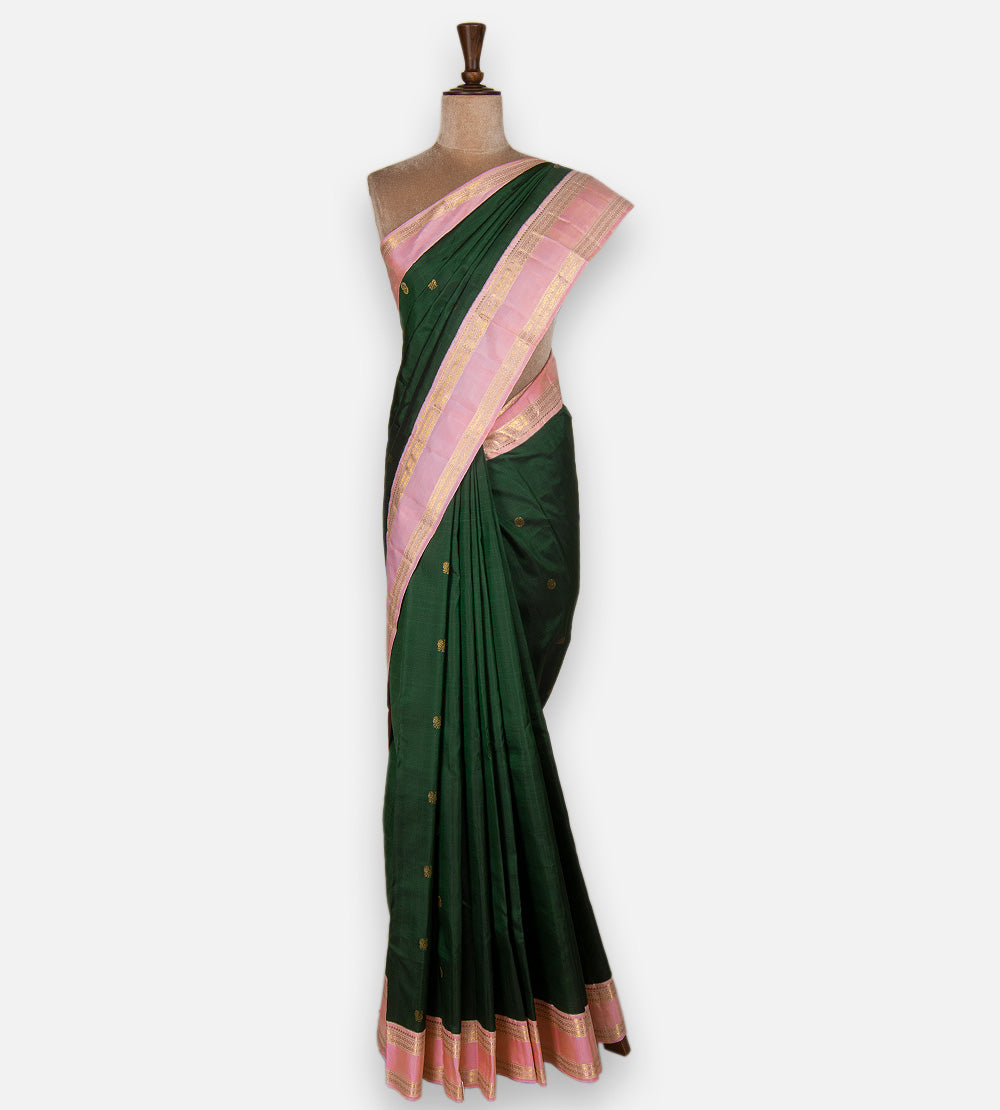
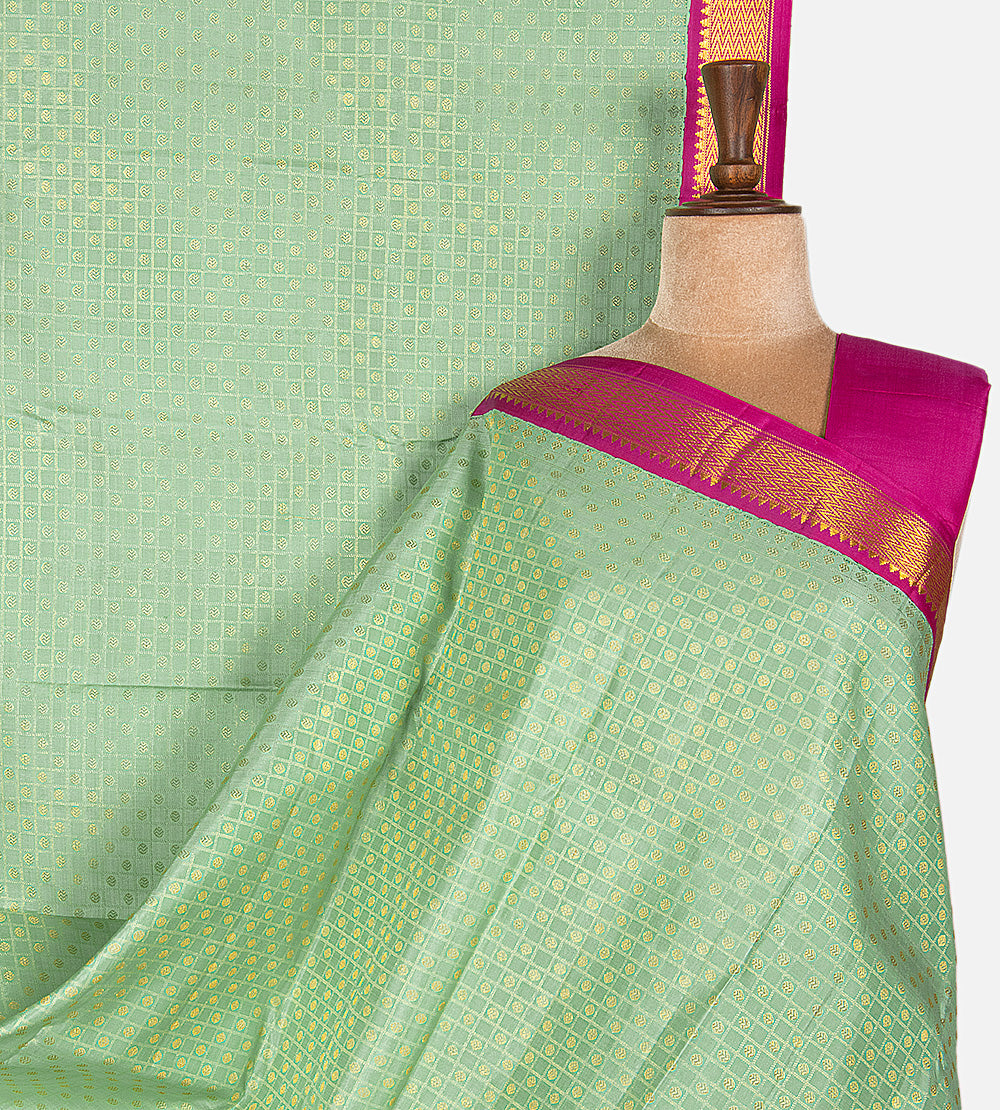
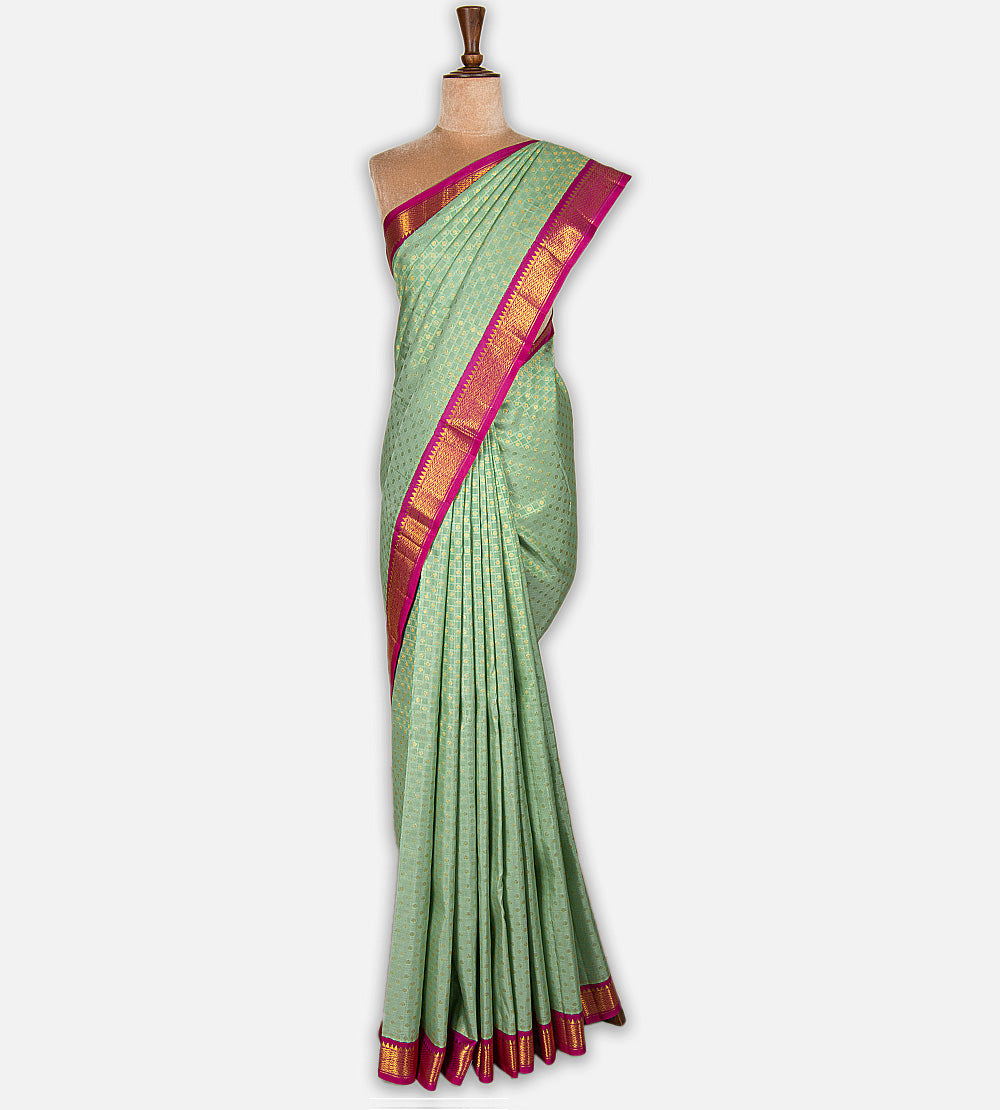
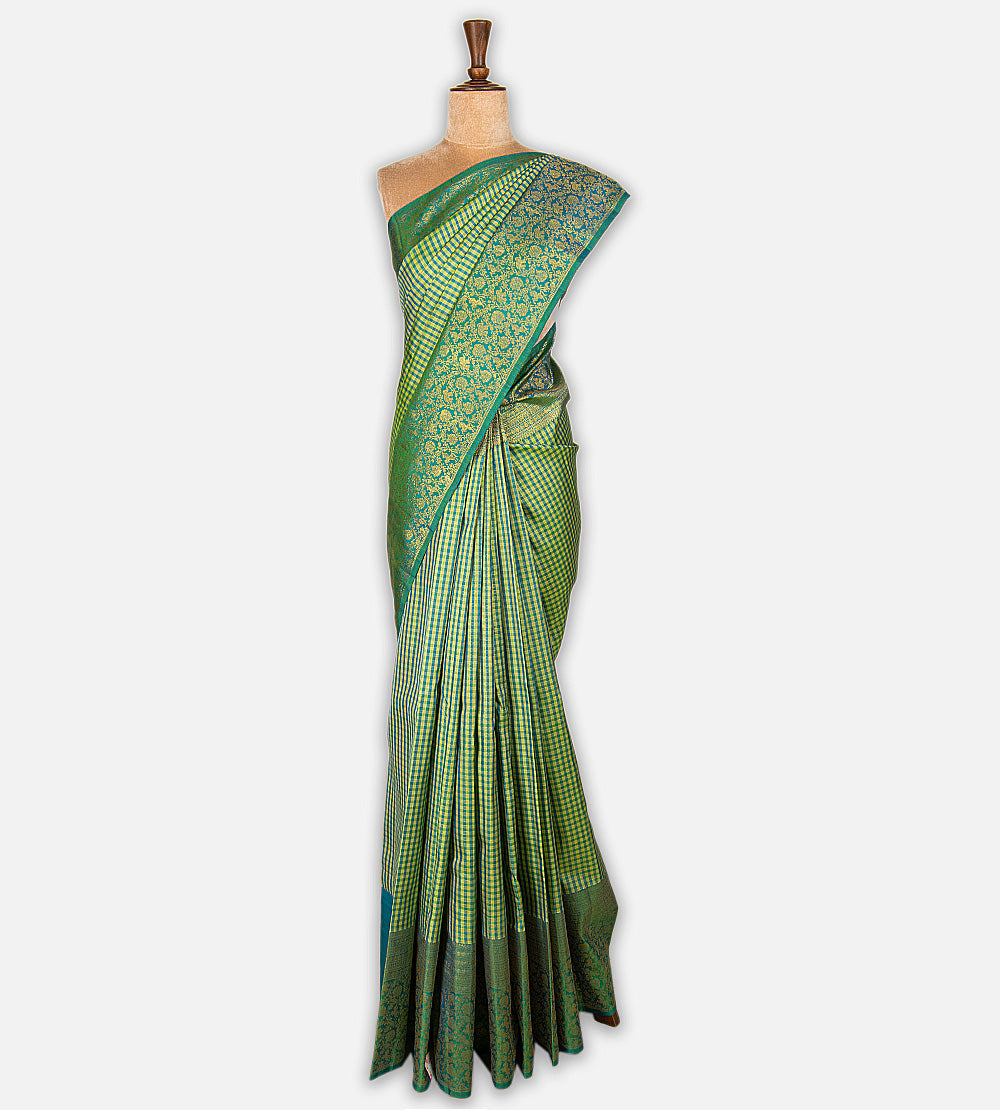
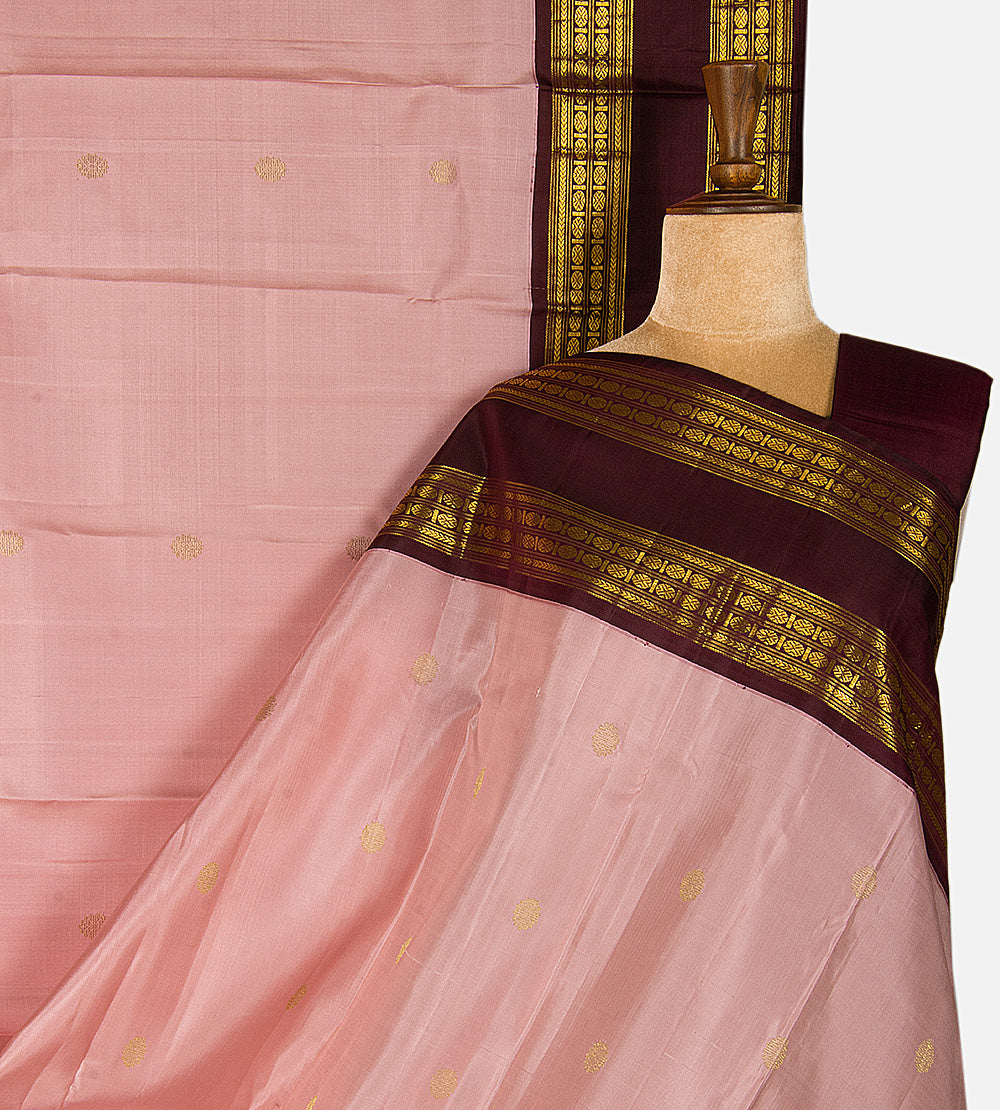
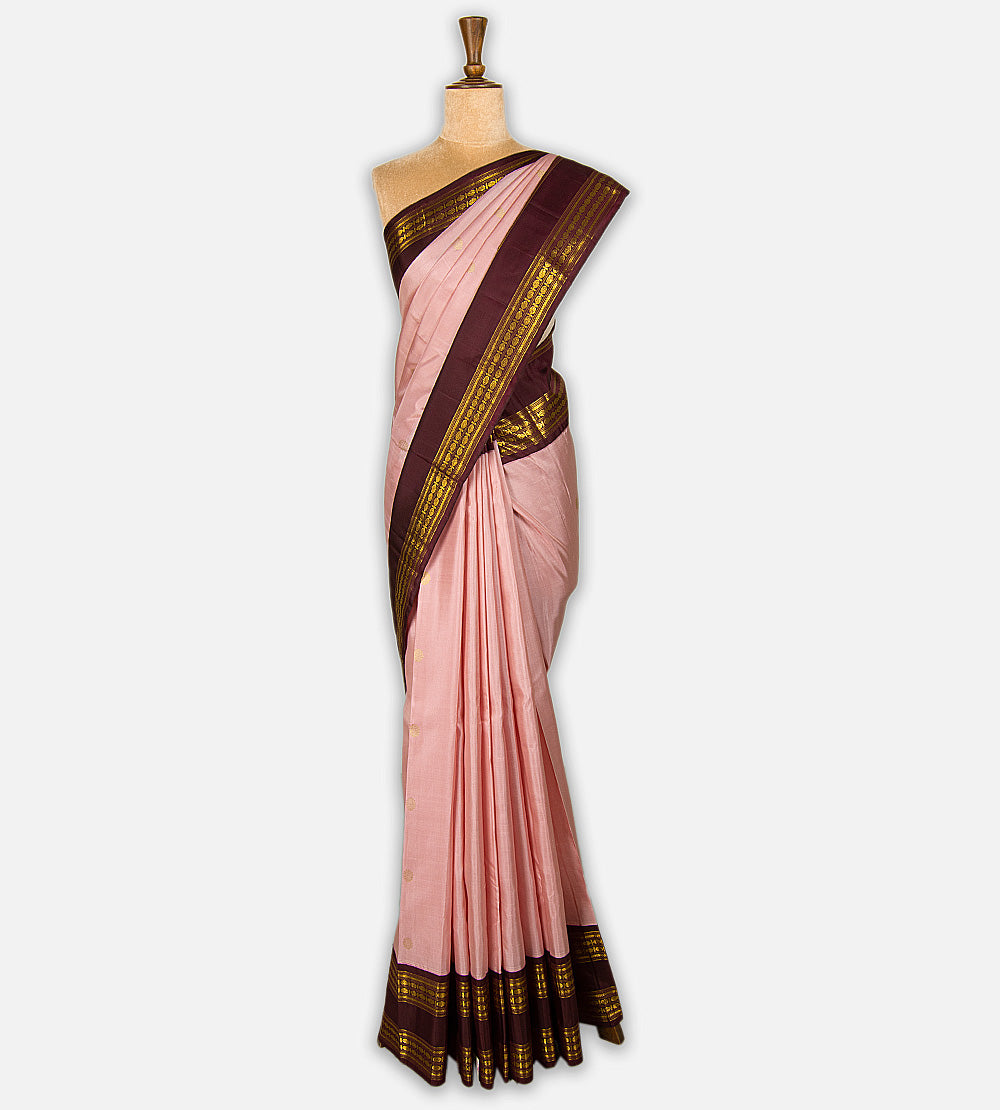
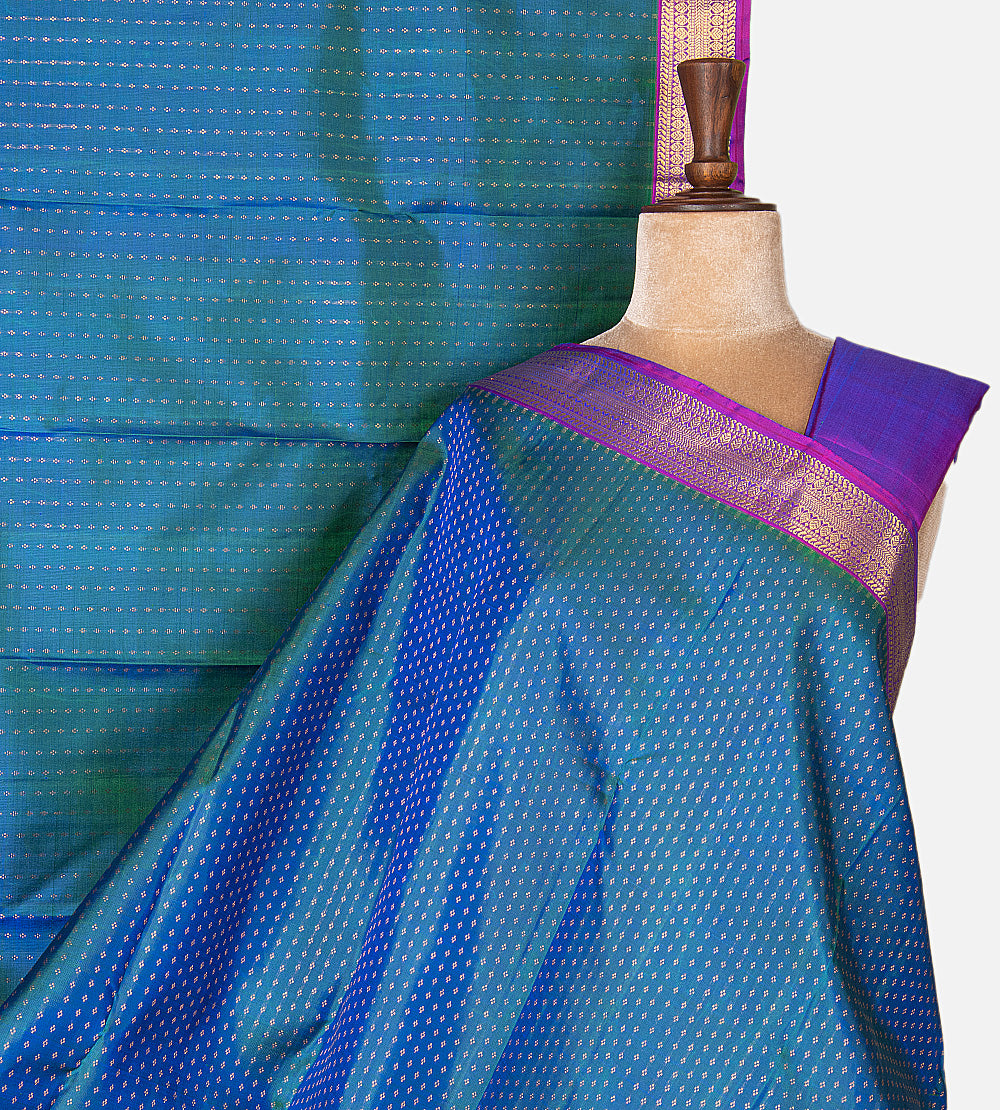
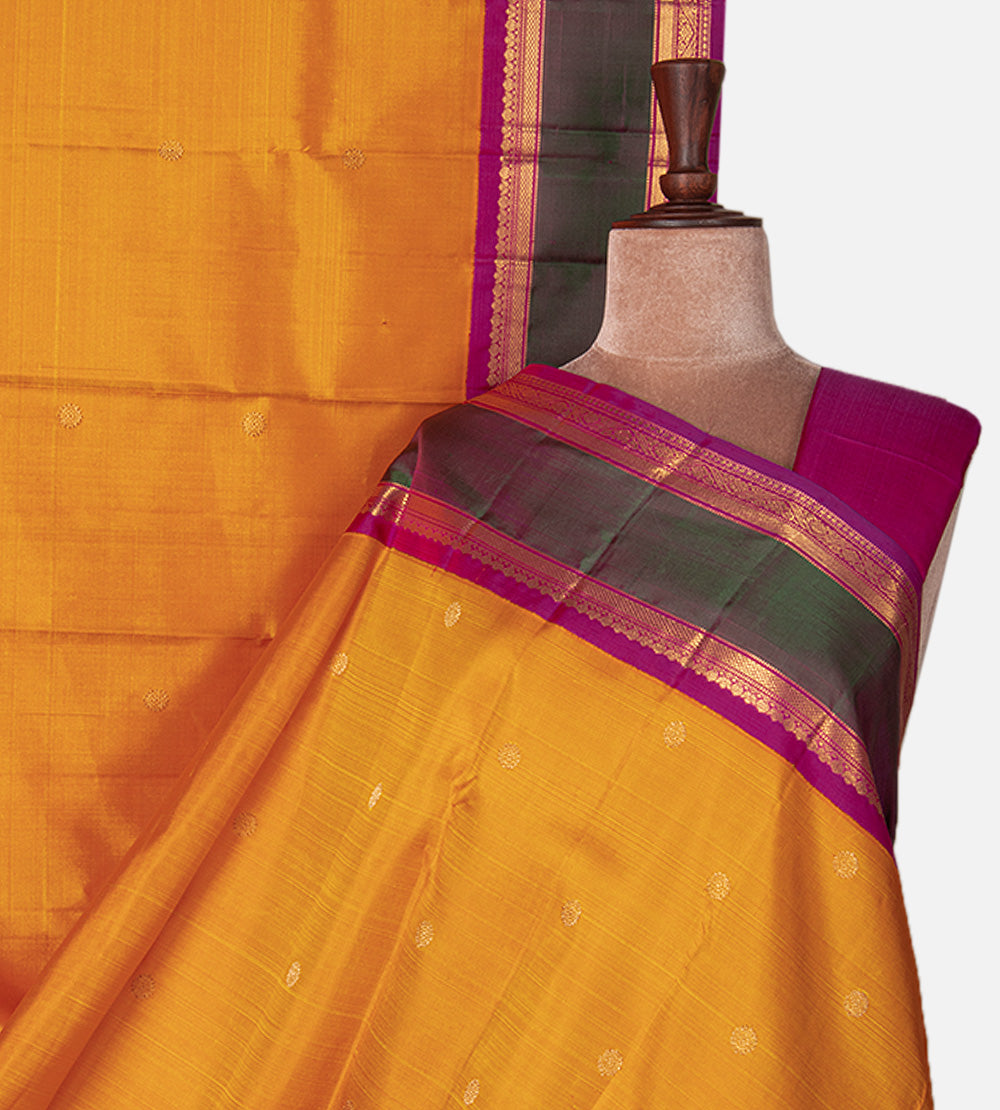
For anyone who wants korvai silk cotton sarees to really stand out, this is it: deep contrasts like maroon against gold or green against a bright pink border, where the join itself becomes the statement.
Bridal Korvai Kanjivaram Sarees – A Timeless Wedding Choice
There's a reason so many brides still choose korvai pattu sarees over anything else. It photographs beautifully, it holds up through a long day of ceremonies, and it carries a weight of tradition that few other fabrics can match. Bridal korvai sarees usually lean into richer silk, heavier saree work and a more elaborate pallu, built to be the centrepiece of the day.
How to Choose Korvai Kanjivaram Sarees for Weddings
Think about the ceremony first. A morning muhurtham might call for something slightly lighter, while the main wedding function often calls for the full bridal weight, a dense border, a detailed pallu and a rich saree throughout. Your jewellery matters too. If you're planning on heavy temple jewellery, a saree with a strong contrasting border will hold its own instead of getting lost underneath it.
Popular Colour Combinations for Korvai Kanjivaram Sarees
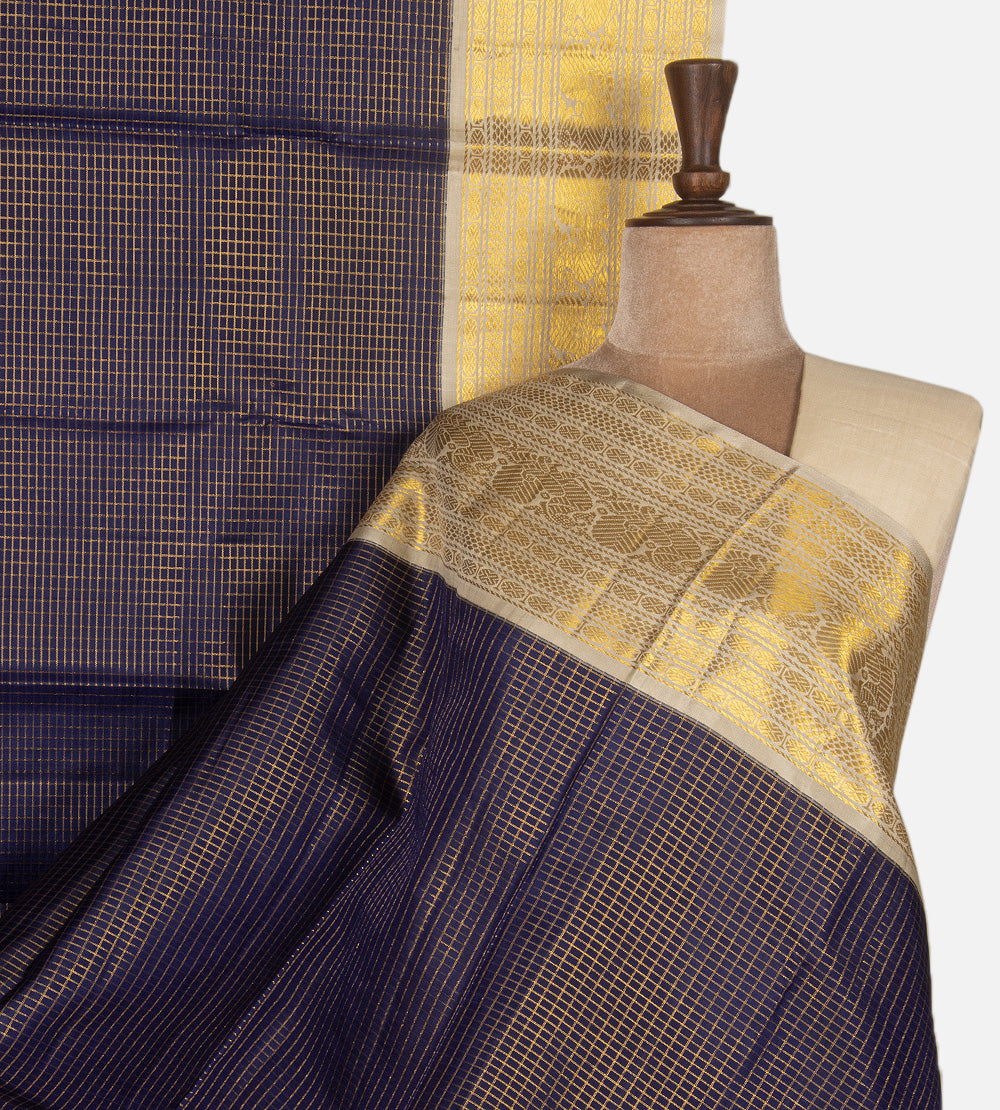
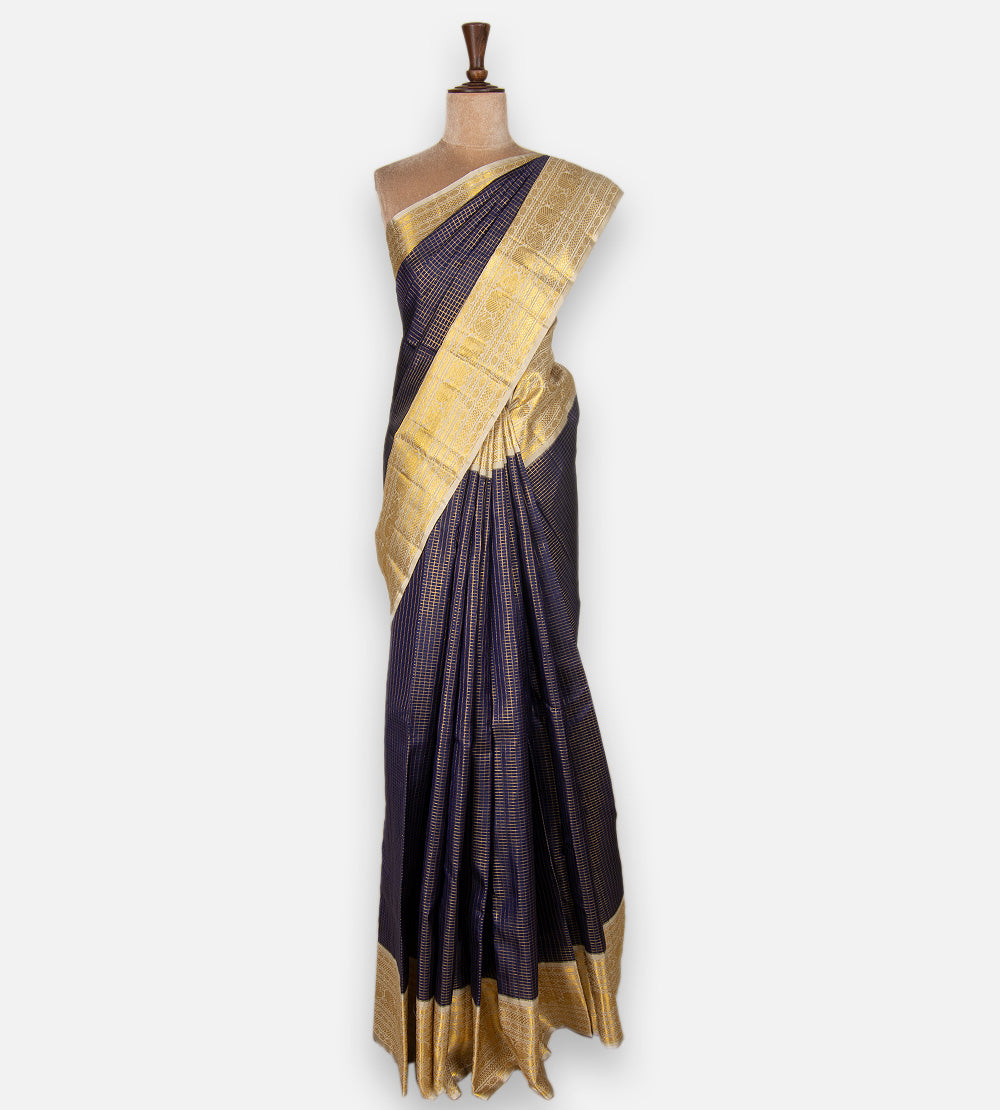
Red with gold remains the classic bridal pairing for korvai pattu sarees, but plenty of brides are now choosing maroon with green, purple with gold, or deep blue with a contrasting maroon border. Pastel combinations, like blush pink with a soft gold border, have also found their way into modern bridal wardrobes for those who want a gentler look without stepping away from tradition.
What Makes Korvai Kanjivaram Sarees Unique
It comes down to the join. No other weaving tradition in India produces a border quite like this, woven directly into the body rather than attached afterwards. Add to that the pure mulberry silk, the saree sourced and prepared using age-old methods, and motifs that carry real cultural meaning, and you get a saree that's recognisably different the moment someone sees it in person.
Korvai Kanjivaram Sarees Price Guide
Pricing depends on a handful of factors: the purity and weight of the silk, how much saree work goes into the border and pallu, the complexity of the motifs, and how intricate the korvai joining itself is. A simpler contrast-border saree will sit at a more accessible price point, while a heavily worked bridal piece with dense saree can run considerably higher. At Tulsi Madras, we've tried to keep a spread across these price points so that whether you're buying for a festival or a wedding, there's something that fits your budget.
How to Care for Your Korvai Kanjivaram Silk Sarees
Store korvai silk cotton sarees in soft muslin, away from sunlight and humidity. Refold it every few months so the creases don't set permanently along the same lines, especially near the korvai join, which can weaken if it's folded the same way for years. When it needs cleaning, always go with a dry cleaner experienced in handling silk and saree work. With the right care, a korvai silk cotton saree can easily be passed down to the next generation.
Korvai Kanjivaram Sarees Online Shopping at Tulsi Madras
Shopping for korvai sarees online means you can take your time, compare borders and colour combinations side by side and decide without anyone rushing you. You can browse korvai sarees by occasion, colour or price, whether you're after a classic korvai pattu saree or something with a slightly more contemporary border.
Handwoven Craftsmanship and Authenticity
Our korvai sarees online come from weavers working within the traditional Kanchipuram cluster, using the same three-shuttle technique that's defined this craft for generations. We're upfront about the weave, the silk quality and the saree used, because that transparency is exactly what makes online saree shopping trustworthy.
Shipping and Delivery
We ship korvai sarees online across India, right to your doorstep, with every piece packed carefully so the saree and korvai border arrive untouched.
Returns and Support
If something isn't quite right, our support team is easy to reach and genuinely happy to help, whether that's guiding you toward a different colour combination or walking you through a return.
Frequently Asked Questions
What is a Korvai Kanjivaram saree?
It's a Kanjivaram silk saree where the border isn't stitched on afterwards but woven straight into the body using the korvai technique, which is exactly what gives it that distinctive, seamless join.
How is the Korvai weaving technique different from regular Kanjivaram weaving?
Regular Kanjivaram weaving can use a single shuttle throughout, while korvai weaving uses three shuttles worked by two weavers together, allowing the border and body to be woven in different colours and interlocked at the join.
Why are Korvai Kanjivaram sarees special?
They're often considered among the most skilled forms of handloom weaving in India, pure silk, intricate saree work and a joining technique that can take a weaver years to get right.
How can I identify a genuine Korvai Kanjivaram saree?
Look closely at the border join. A genuine Korvai saree online will show a clean, woven interlock rather than a stitched or glued seam, and the reverse side should look almost identical to the front.
Why are Korvai Kanjivaram sarees popular for weddings?
Korvai pattu sarees feature rich silk, elaborate saree work and strong contrasting borders, making them a staple choice for South Indian weddings.
What are the different types of Korvai Kanjivaram sarees?
Tulsi Madras offers Classic, Temple Border, Thazhamboo Reku and Contrasting Colour korvai sarees, each with its own take on the traditional weave.
Which colour combinations are popular in Korvai Kanjivaram sarees?
Red and gold is still the pairing most brides come back to, but maroon with green, purple with gold and softer pastel combinations have all been finding favour too.
What is the significance of temple borders in Korvai sarees?
Temple border motifs originate from temple architecture and were traditionally woven for sarees offered to deities, which is why they still carry a strong sense of auspiciousness today.
How do you identify an authentic saree in a Korvai Kanjivaram saree?
Check the product description for what the saree is actually made of, and buy from a seller who's honest about where it comes from. A real saree carries a certain weight and sheen that's tough to fake convincingly.
How do I care for a Korvai Kanjivaram silk saree?
Keep it away from sunlight and dampness, refold it every so often, and when it's time to clean it, go with a professional dry cleaner, especially if there's saree or border work involved.
Explore More Silk Saree Collections
Kanchipuram Silk Sarees
Traditional Kanjivaram sarees in a wide range of borders, colours and weaving styles.
Soft Silk Sarees Online
A lighter silk drape for everyday festive wear, without the weight of a full Kanjivaram.
Banarasi Silk Sarees
Brocade weaves out of Varanasi, rich in texture and full of detail.
Tussar Silk Sarees
A different kind of silk altogether, with a natural texture and quiet charm.